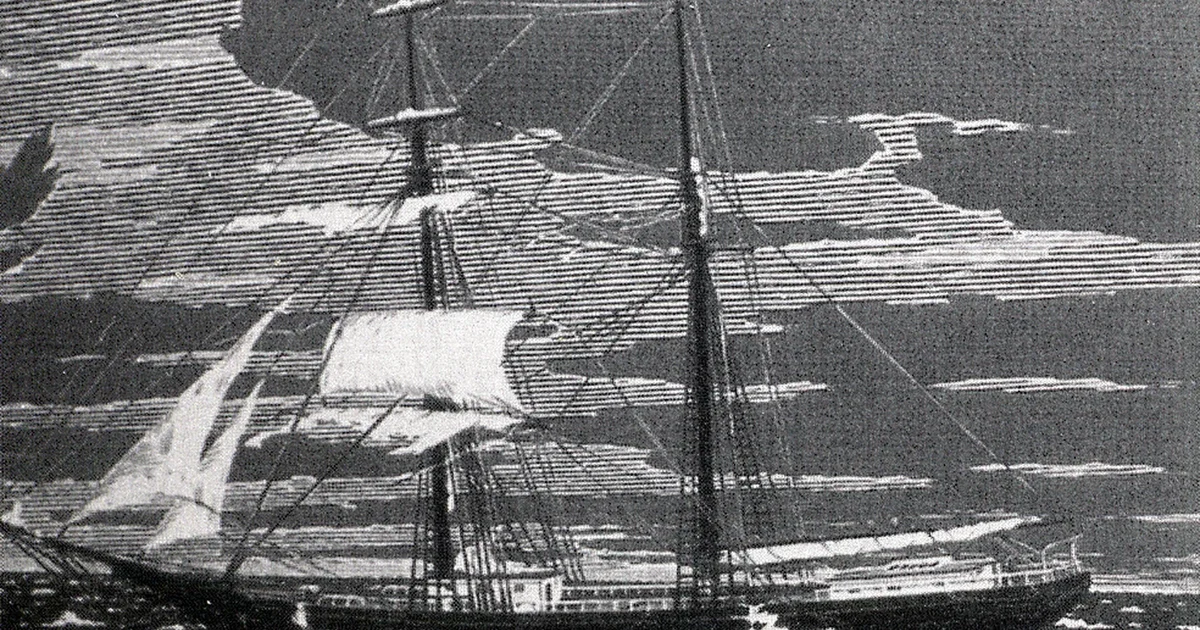
The ship did not contain a hot meal, a smoking pipe, or signs of supernatural interruption. It contained a damaged sounding rod, a missing boat, and a captain forced to judge a danger he could not see.
Archive record
- Found: December 4, 1872
- Location: Atlantic Ocean, east of the Azores
- Missing: Captain Benjamin Briggs, his family, and seven crewmen
- Cargo: 1,701 barrels of industrial alcohol
A ship sailing without people
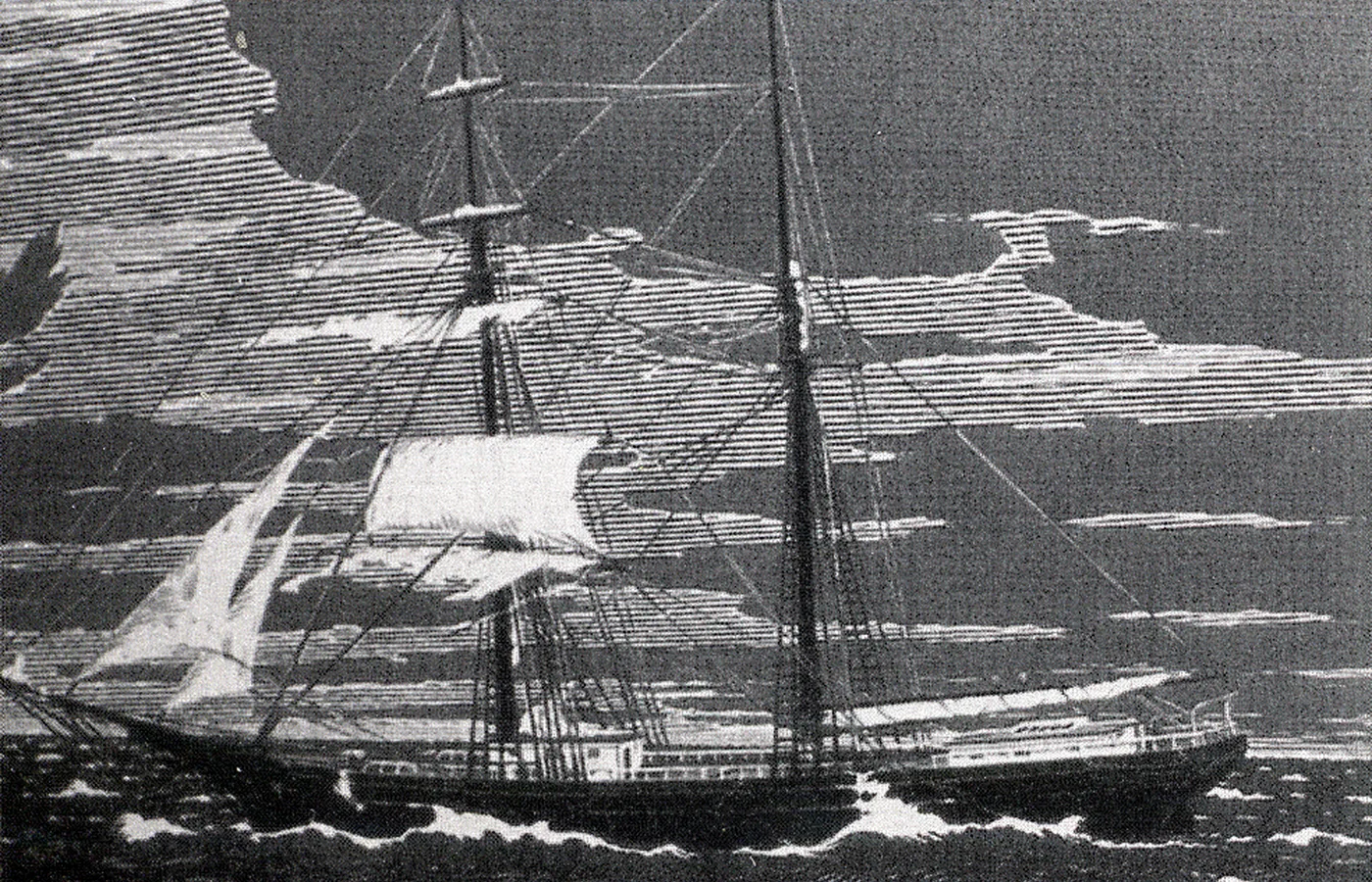
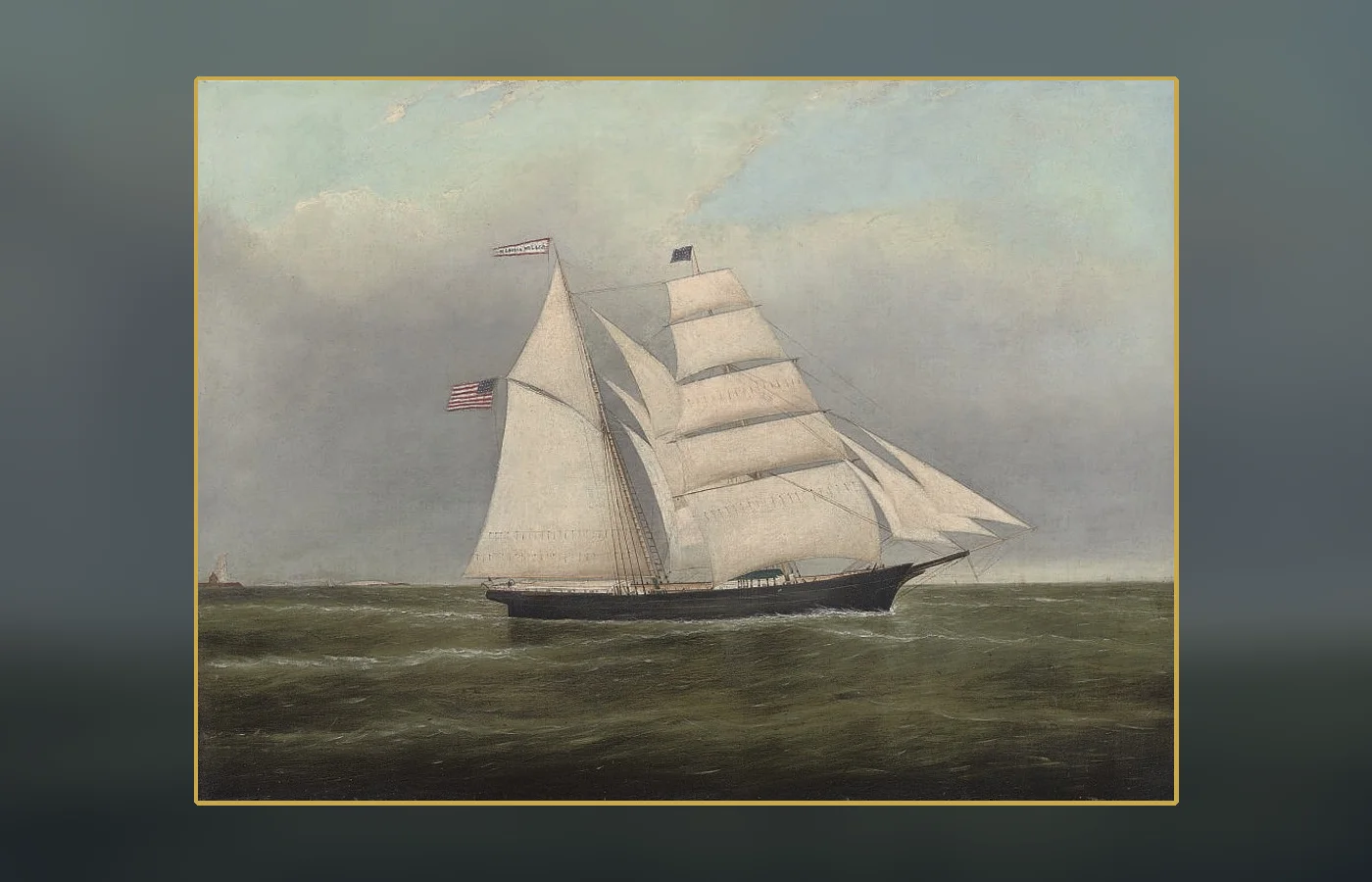
On December 4, 1872, sailors aboard Dei Gratia spotted a brigantine moving erratically in the Atlantic. The vessel was Mary Celeste, which had left New York for Genoa almost a month earlier. A boarding party found no one aboard. Captain Benjamin Briggs, his wife Sarah, their two-year-old daughter Sophia, and seven crewmen had disappeared.
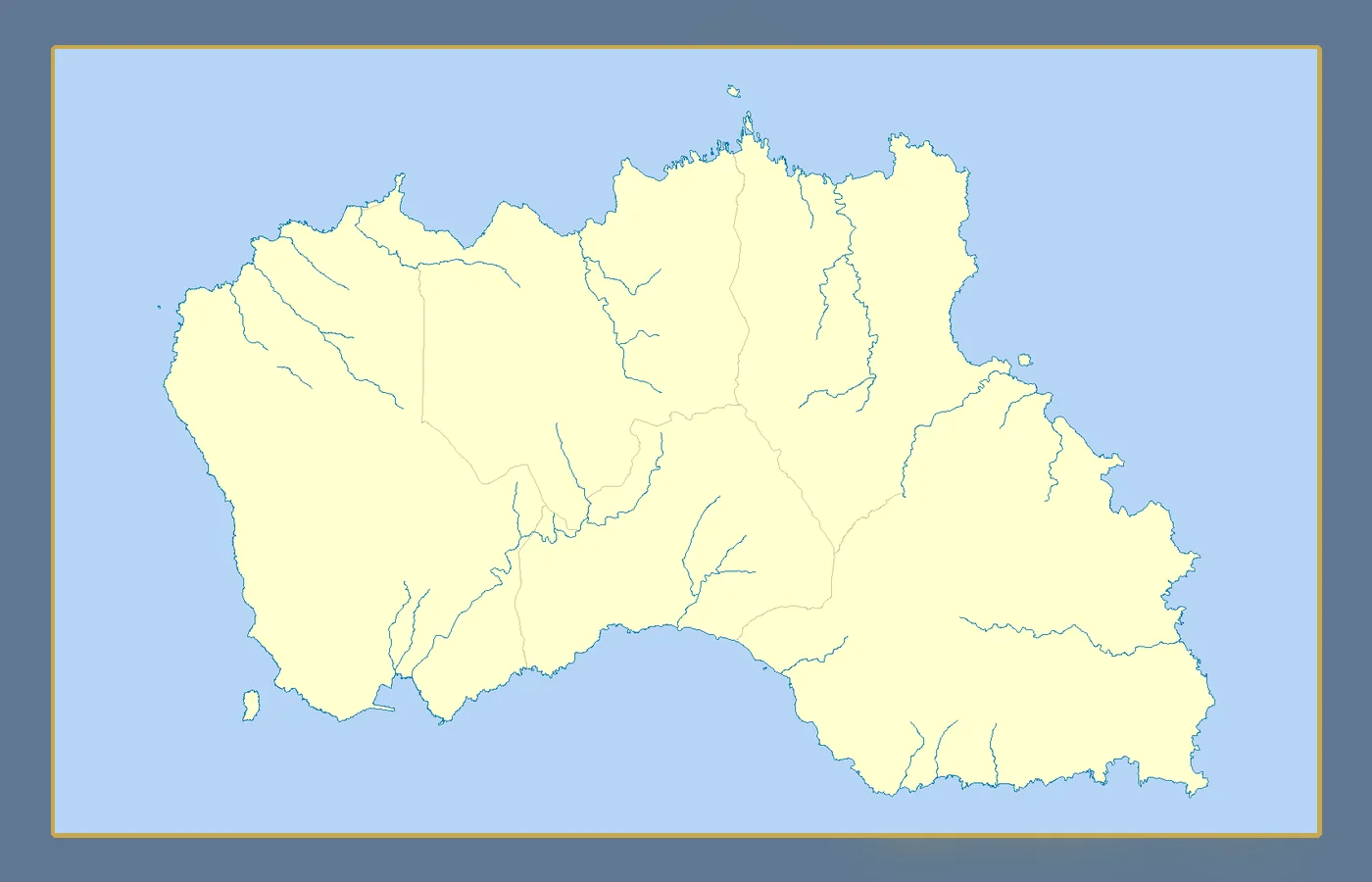
The ship was not a floating wreck. It could still sail, much of the cargo remained, and personal possessions had not been systematically removed. Yet the yawl was missing, one hatch was off, water had entered the hold, and the main pump had been taken apart. The last log entry placed the vessel near Santa Maria in the Azores nine days before it was found.
What the Gibraltar inquiry recorded
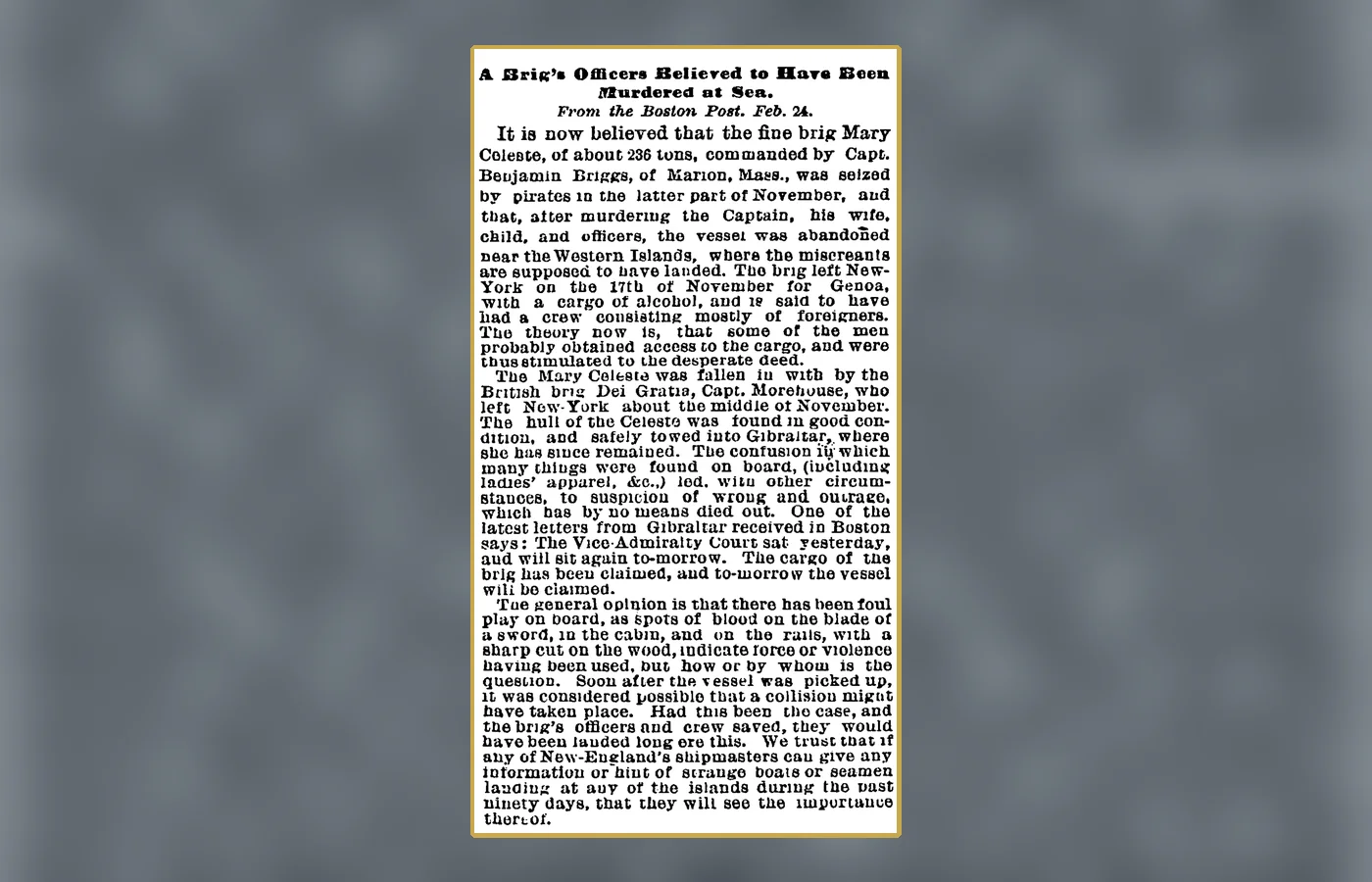
Dei Gratia brought Mary Celeste to Gibraltar, where an admiralty inquiry examined the vessel before salvage could be awarded. Officials considered piracy, fraud, and violence. Stains were tested and damage was scrutinized, but the inquiry did not establish murder or a conspiracy between the two ships. The suspicious tone of the proceeding helped later stories outgrow the evidence.
The documented scene matters because so many famous details are later inventions. There was no untouched breakfast abandoned mid-bite, no warm coffee, and no still-smoking pipe. Arthur Conan Doyle's fictional 1884 story—using the spelling Marie Celeste—added memorable imagery that blended with journalism and folklore.
A captain watching water rise
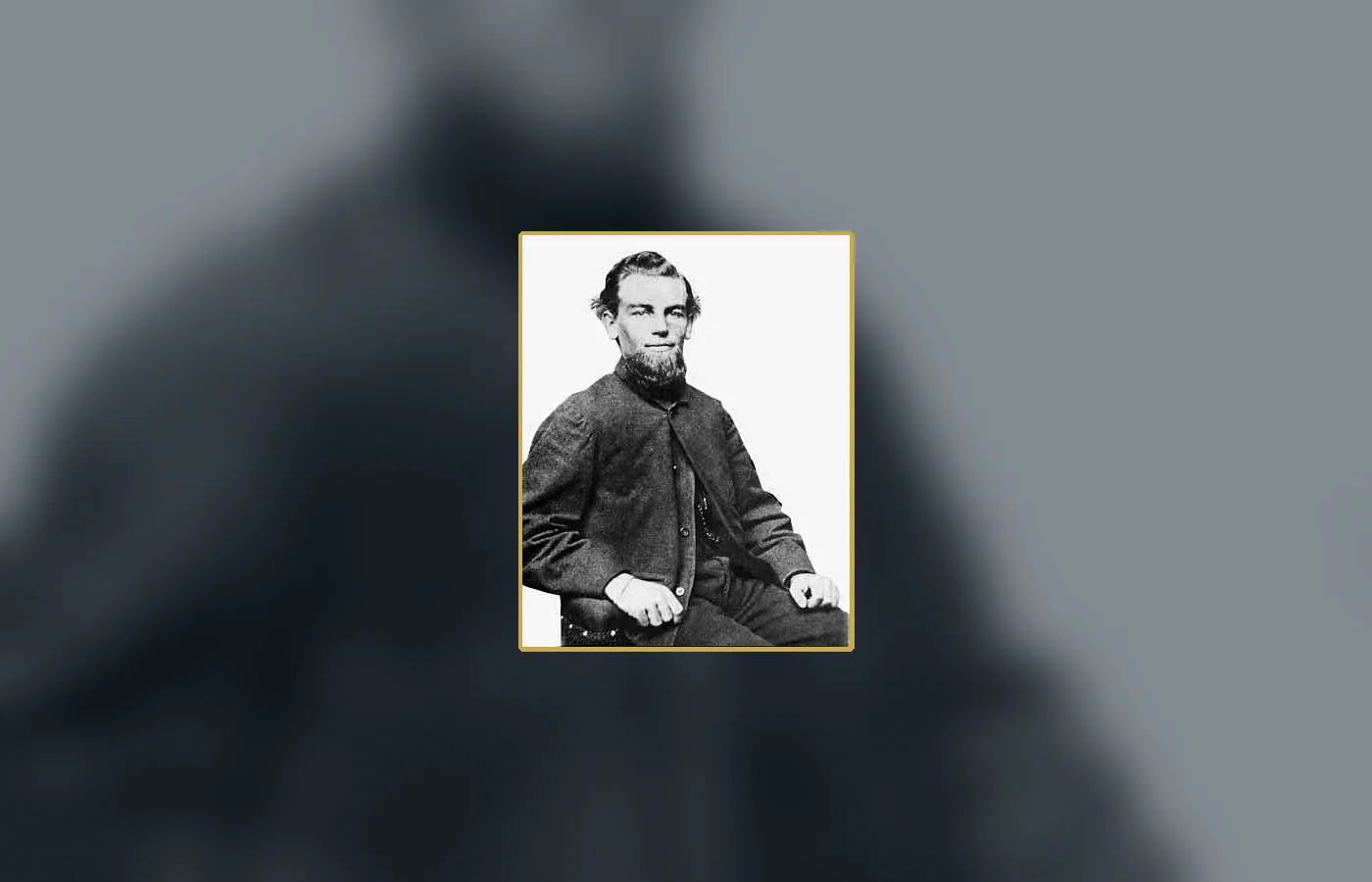
The hold contained several feet of water, but not enough to sink the ship. The difficulty was knowing that from above. Coal dust and leakage could clog a pump, while a cargo of barrels made direct inspection difficult. The ship's sounding rod was reportedly found on deck, suggesting that the crew had recently tried to measure the water. One pump was disassembled, possibly because it was malfunctioning.
Briggs may therefore have faced an information problem rather than an immediately sinking ship. If he believed the pump was unreliable, the hold was filling, and the nearest land lay within reach, transferring temporarily to the yawl could seem safer than remaining aboard. A line between boat and ship would preserve the option of returning—until wind, sea, or a snapped rope separated them.
What the alcohol cargo can explain
Nine of the 1,701 alcohol barrels were empty when the cargo was unloaded. They were made from red oak, a more porous wood than the white oak used for most barrels. Alcohol vapor could have accumulated in the hold. A noise, fumes, or fear of an explosion might have prompted a precautionary evacuation even without a destructive blast.
Experiments show that a pressure-wave event can occur without blackening a hold, but the archive cannot tell us that one happened. The cargo theory is strongest when treated as a possible trigger layered onto pump trouble, uncertain water levels, rough conditions, and navigational error—not as a cinematic fireball the evidence never recorded.
The smaller mystery that survives
A waterspout, seaquake, piracy, mutiny, and giant-squid attack have all been proposed. None explains the physical record better than an ordered abandonment followed by separation from the ship. The missing yawl and navigation instruments imply that people left deliberately; the belongings and remaining cargo argue against ordinary theft.
The likely mechanism is understandable, but the fatal moment is unrecoverable. We do not know what Briggs saw, what the crew heard, or why they judged the boat safer. Mary Celeste is haunting not because the evidence points everywhere, but because it brings us close to a rational decision whose final consequence was invisible to the people making it.
What the record supports—and what it does not
Mary Celeste was not found with a warm meal and signs that people had vanished in an instant. Contemporary records describe a missing yawl, pump trouble, water in the hold, and no persuasive evidence of violence. An orderly evacuation is much better supported than piracy or the paranormal, although its exact trigger is unknown.
Evidence ledger
- FOUND — A seaworthy ship, no people: Dei Gratia found Mary Celeste adrift on December 4, 1872.
- CLUE — The yawl was missing: The boat and navigation instruments appear to have left with the crew.
- MEASUREMENT — Pump and sounding trouble: Water in a cargo-packed hold was difficult to assess reliably.
- CARGO — Nine barrels were empty: Porous red-oak barrels may have leaked alcohol vapor.
- MYTH CHECK — No interrupted feast: The warm-meal scene belongs to later storytelling.
- LIMIT — The trigger is unrecorded: Evidence supports abandonment, not the exact fear that caused it.
How this reconstruction was checked
This reconstruction begins with Smithsonian Magazine — Abandoned Ship: The Mary Celeste, Smithsonian Magazine — The Mary Celeste at 150. Those records establish the dates, people, objects, and institutional findings used above. Later retellings are useful only when they can be traced back to that record. A repeated anecdote is not treated as independent confirmation simply because it appears on several websites.
The unresolved question is kept separate from the documented mechanism. In this case, the evidence supports the following boundary: Mary Celeste was not found with a warm meal and signs that people had vanished in an instant. Contemporary records describe a missing yawl, pump trouble, water in the hold, and no persuasive evidence of violence. An orderly evacuation is much better supported than piracy or the paranormal, although its exact trigger is unknown. The purpose of that boundary is not to flatten the mystery. It prevents a vivid but unsupported detail from displacing the evidence that makes the story worth reading.
Every visual is either a historical photograph, document, map, object, site image, or an explicitly labeled contextual comparison. Captions identify the source and license. No AI reconstruction and no text-poster image is presented as historical evidence; the featured image is derived directly from the first archival visual without a headline overlay.
Why this story matters
The case is a study in decision-making under uncertainty. A ship can be safe in hindsight while appearing fatally compromised to a captain with an unreliable pump and limited access to the hold.
Continue in the archive
- The 1962 Alcatraz Escape: What the Prisoners Left in Their Cells
- The Ghost Blimp L-8: Two Men Vanished From a Navy Airship
- The Flannan Isles Lighthouse Mystery
Sources and further reading
- Smithsonian Magazine — Abandoned Ship: The Mary Celeste
- Smithsonian Magazine — The Mary Celeste at 150
Editorial note: Lore & Archive separates contemporary records, later institutional synthesis, and unresolved inference. When sources disagree or the archive is incomplete, the uncertainty is stated rather than converted into a dramatic fact.