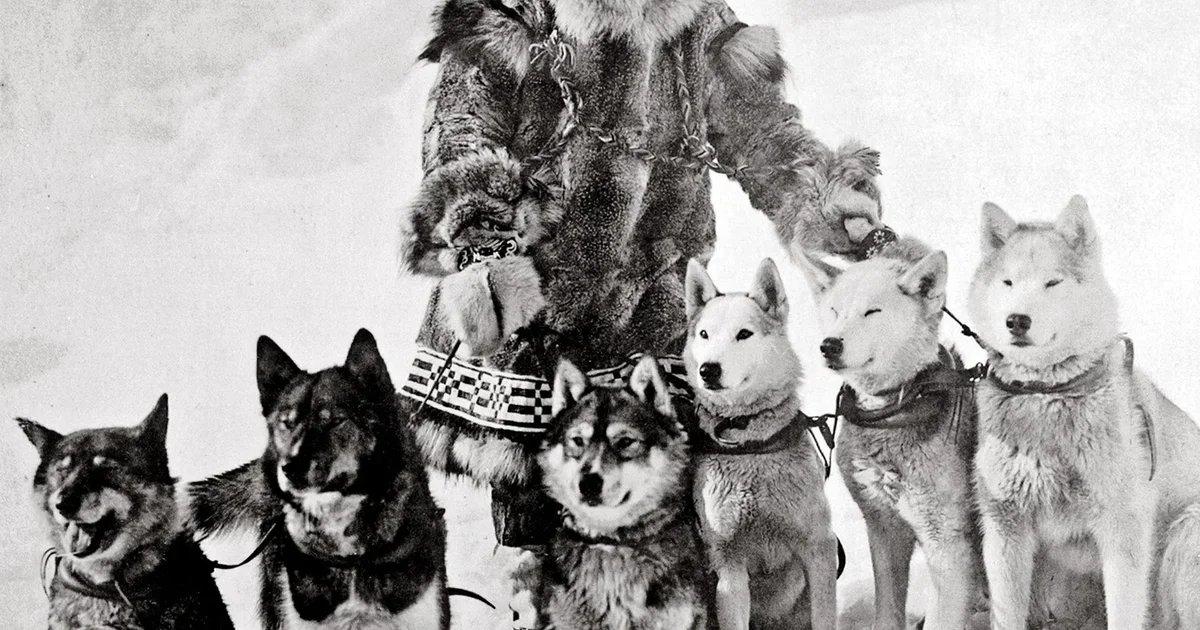
The race for antitoxin was not a single heroic dash. It was a relay designed around weather, rail, roadhouses, human judgment, and dogs able to find trail when people could not see it.
Archive record
- Emergency: diphtheria outbreak
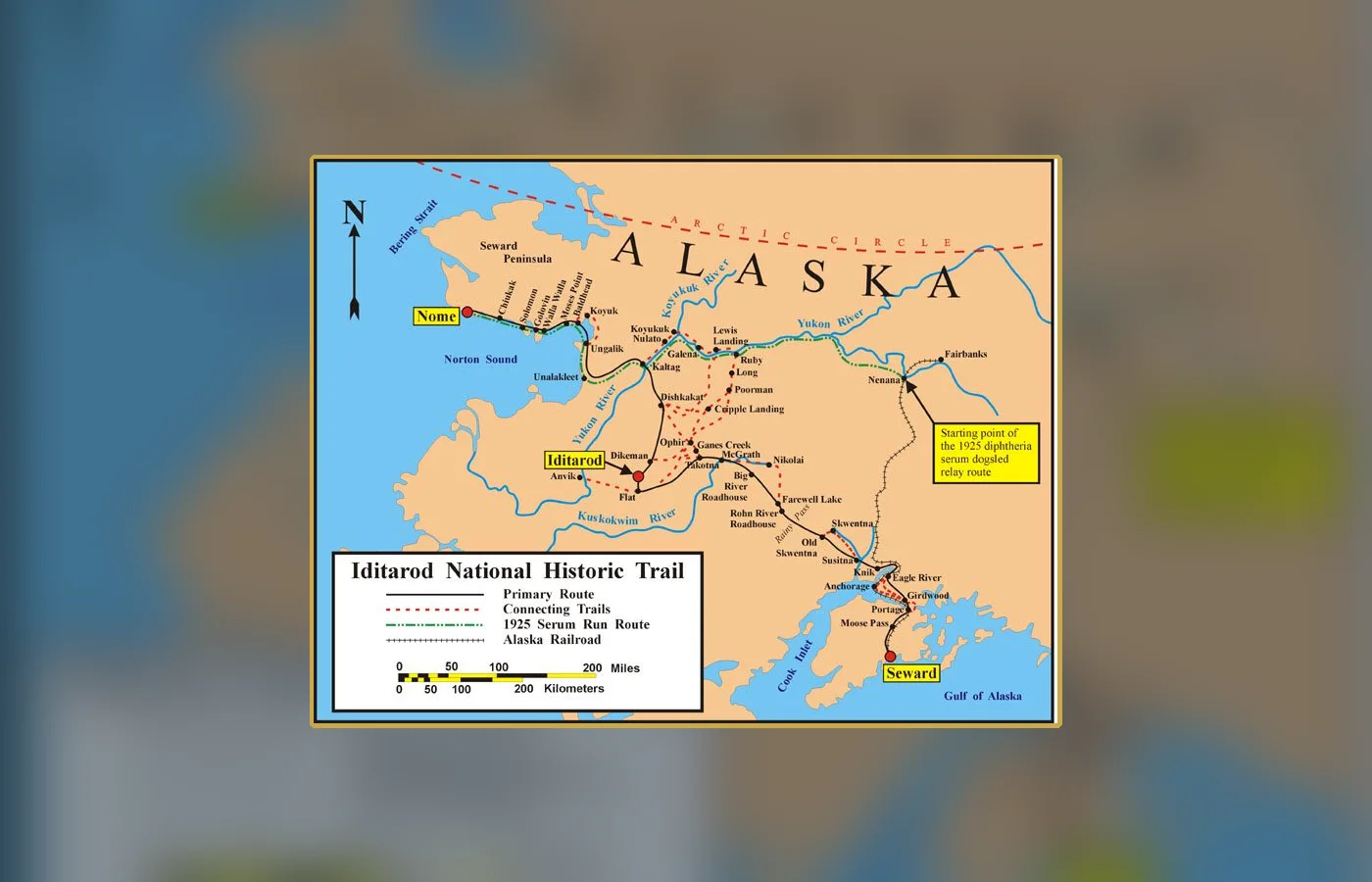
- Relay: Nenana to Nome
- Distance: about 674 miles
- Delivery: February 2, 1925
A diagnosis in an isolated town
In January 1925, Nome physician Curtis Welch diagnosed diphtheria after children had already fallen ill. The town's antitoxin supply was expired and insufficient. Quarantine could slow contact, but without fresh serum an outbreak threatened Nome and surrounding Alaska Native communities.
Winter closed the harbor and made ordinary aircraft unreliable. Officials moved antitoxin by rail from Anchorage to Nenana, the end of the railway. From there, established mail-trail infrastructure and experienced dog teams offered the fastest credible route west.
A relay built before the package arrived
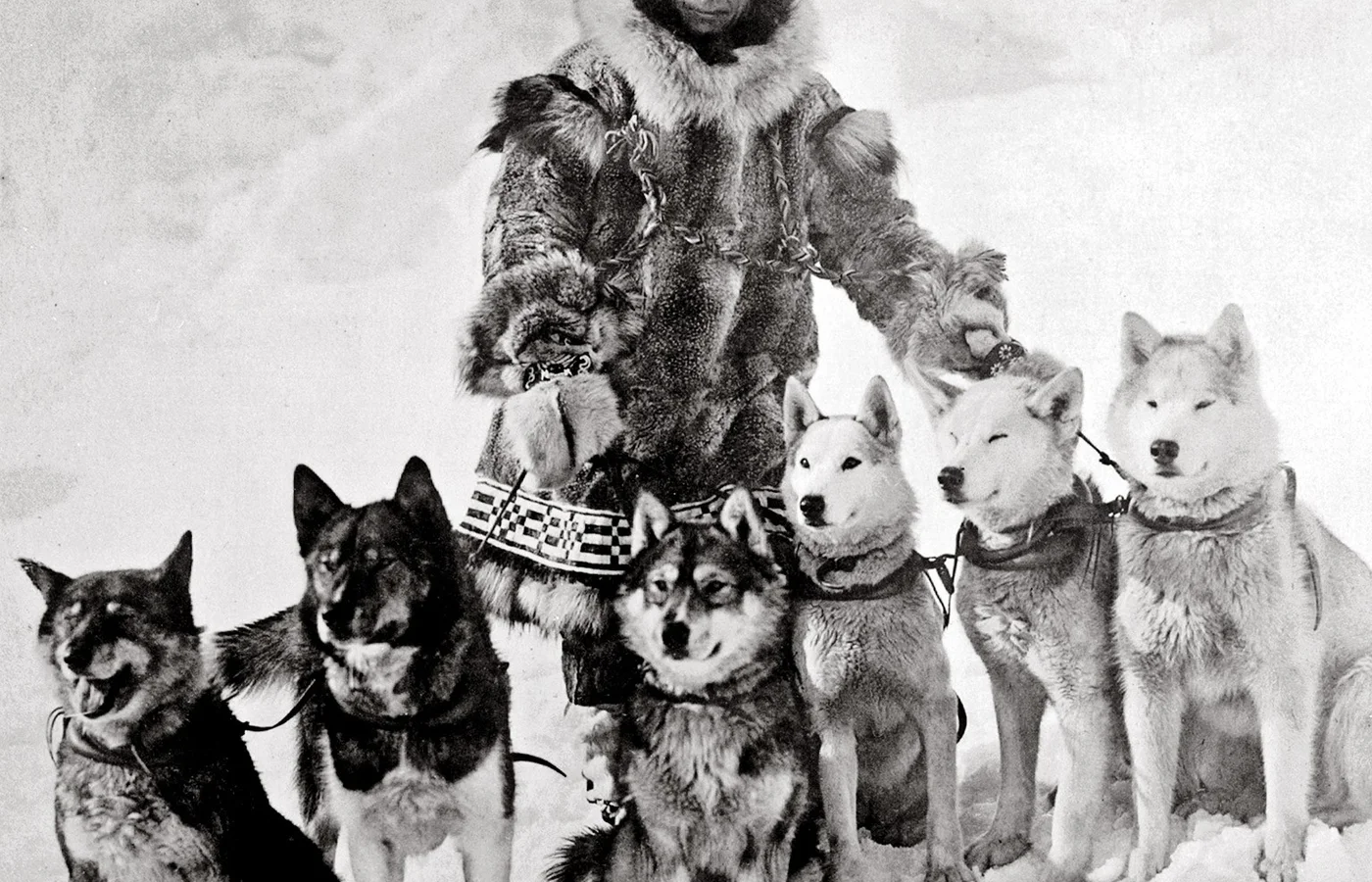
Organizers assigned mushers to segments between roadhouses and settlements. About twenty men and roughly 150 dogs took part. Teams waited in extreme cold while information moved by telegraph. The package was wrapped against low temperature because freezing could damage the serum.
The handoffs transformed distance into coordination. No single team had to rest and feed across the entire route. Each leg depended on the preceding one arriving close enough to expectation that the next musher and dogs were ready to move.
Seppala and Togo cross the dangerous middle
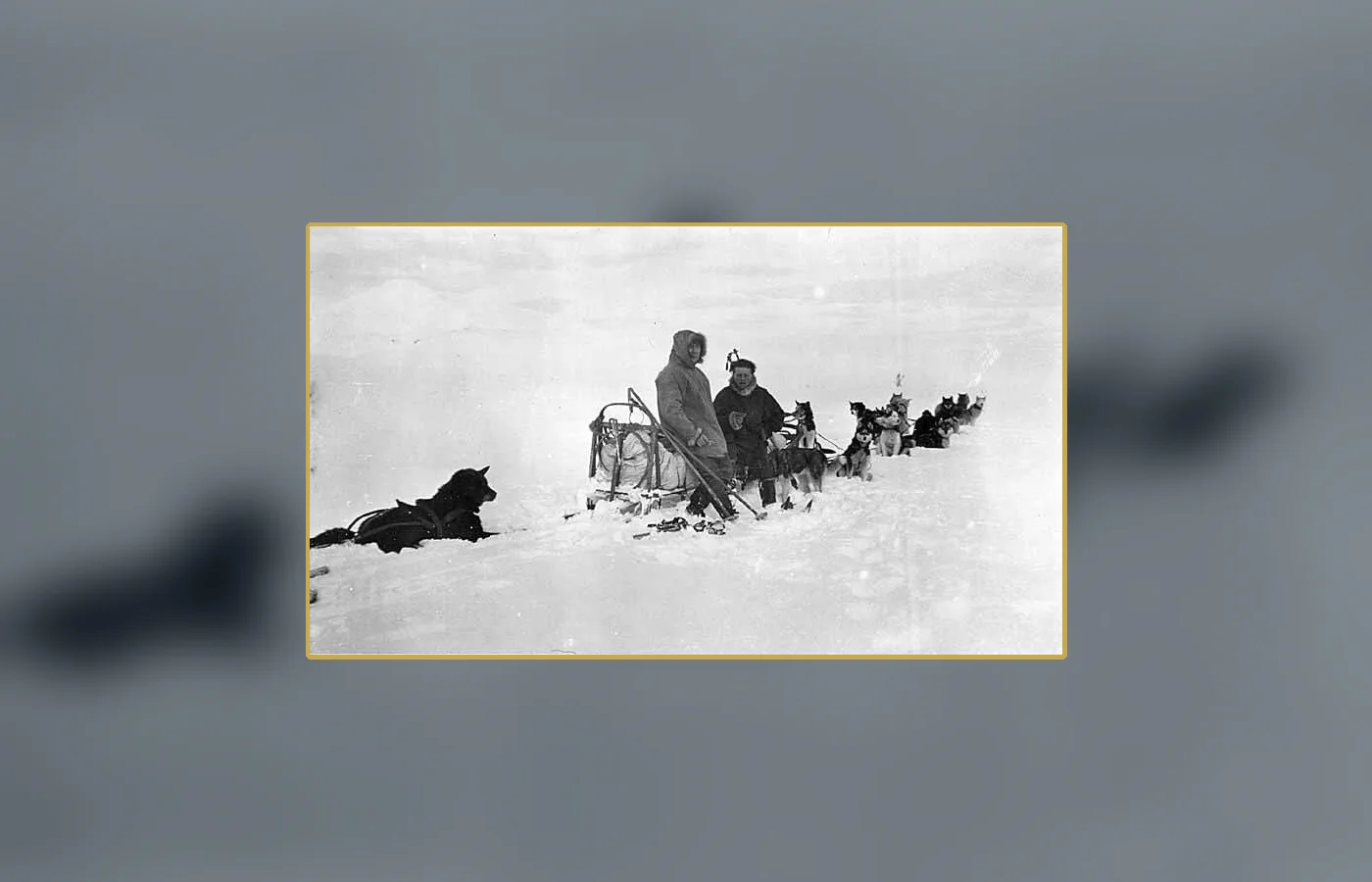
Leonhard Seppala and his lead dog Togo covered the longest and among the most dangerous portions, including a crossing of Norton Sound. Sea ice shortened the route but could break, drift, or separate from shore. Togo was already an experienced older lead dog whose navigation and judgment were central in poor visibility.
Mileage totals vary depending on whether approach travel before receiving the serum is counted. The important comparison is qualitative: Seppala and Togo handled an extended central leg under exceptional exposure, while later publicity initially focused elsewhere.
Kaasen and Balto reach the cameras
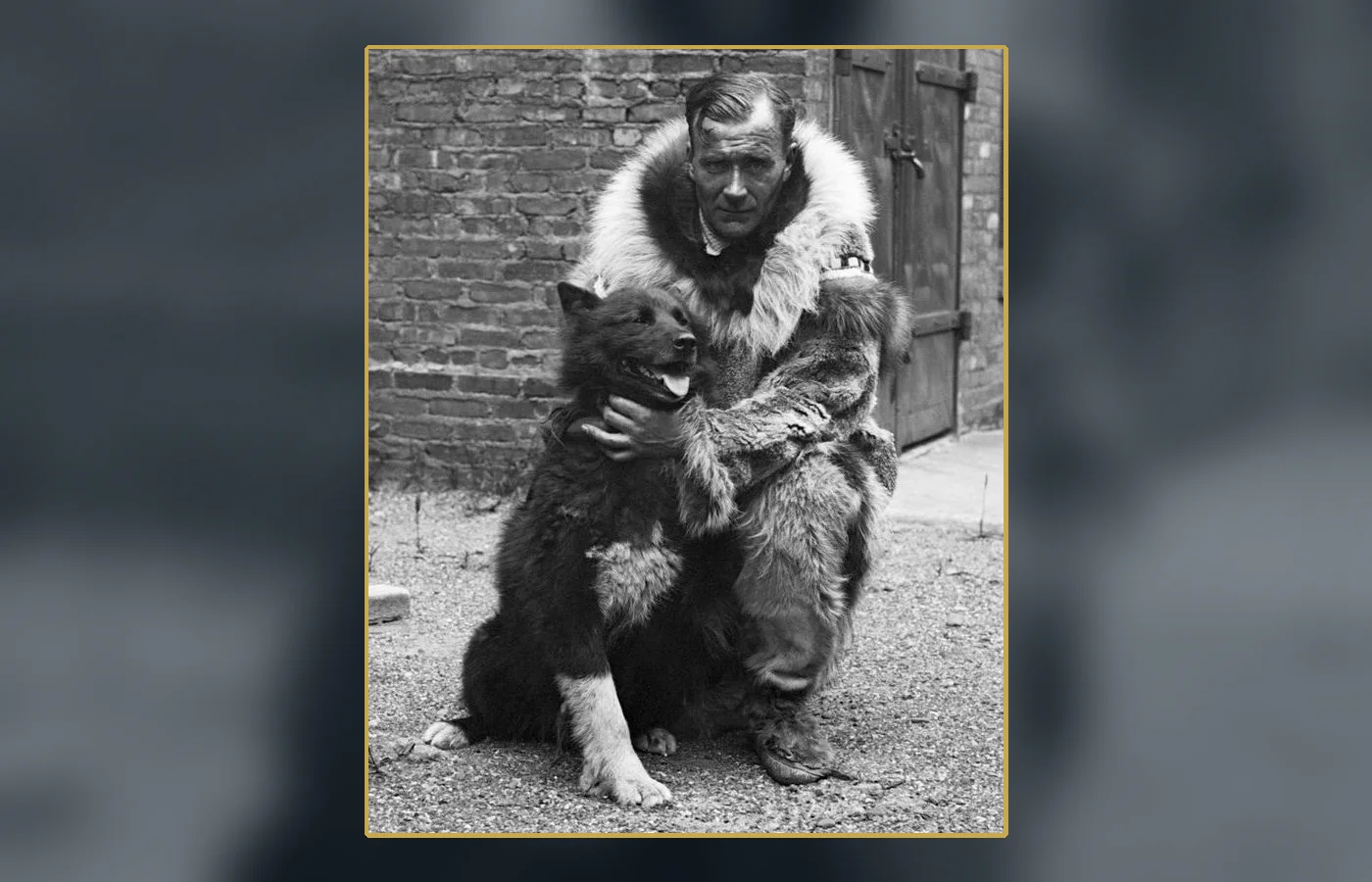
Gunnar Kaasen received the serum for the final scheduled portion. A severe storm obscured trail markers, and Balto led the team toward Nome. Kaasen continued past a handoff point when the next team was not ready or asleep, reaching Front Street early on February 2.
Balto became the public face because he led the team that arrived with the package. News photographs, a film tour, and a statue in Central Park fixed that image. This did not make Balto a fraud or Togo forgotten by participants; it shows how the finish line concentrates attention in a relay.
What the legend should preserve
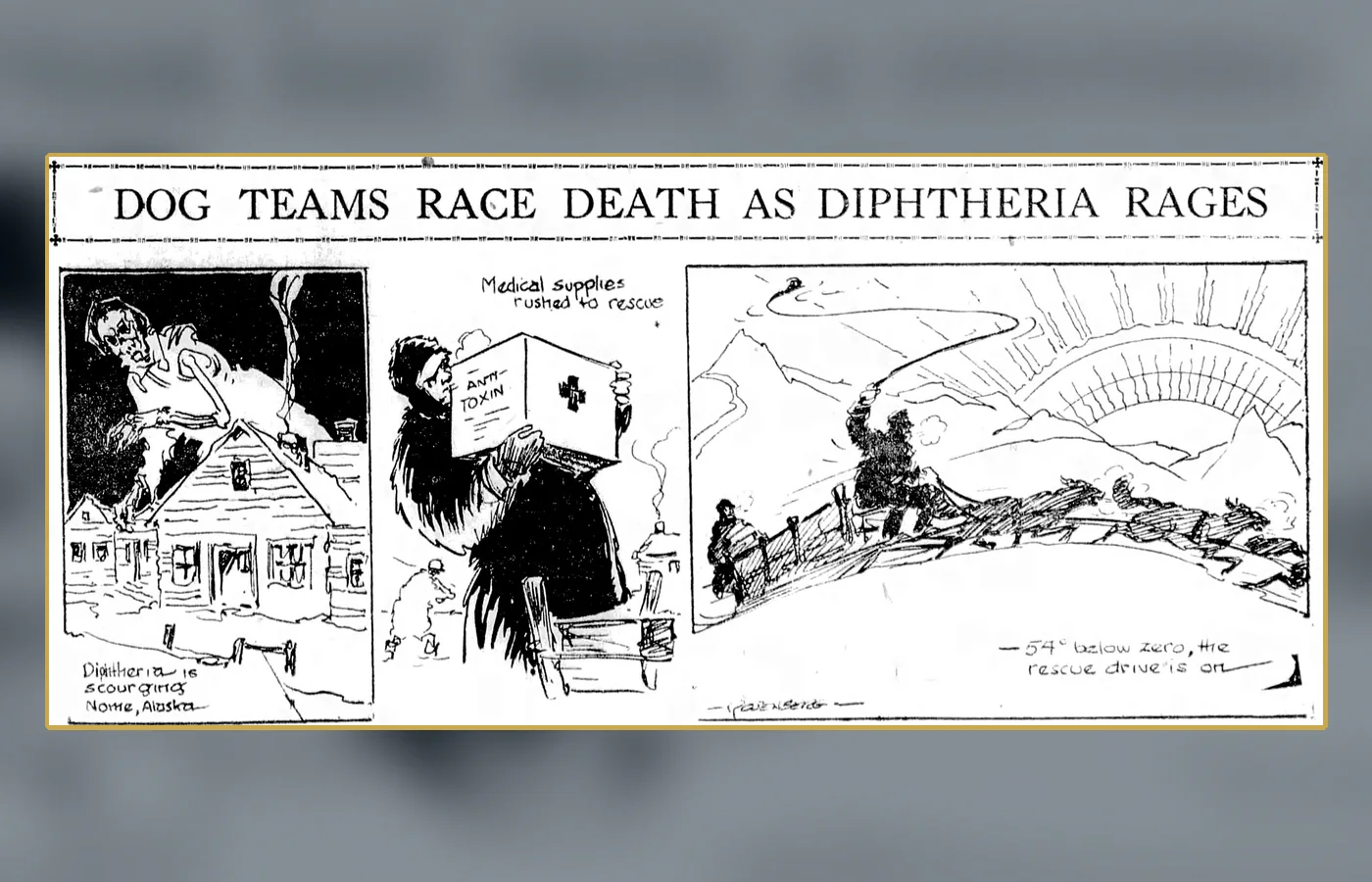
The serum arrived in about five and a half days from Nenana, remarkably fast for winter trail conditions. Further antitoxin followed. Cases occurred and lives were lost, but the feared large-scale epidemic did not consume the region.
Arguments over which dog was the 'true hero' reproduce the problem of the first legend. Togo, Balto, other lead dogs, wheel dogs, mushers, telegraph operators, railroad crews, physicians, and community organizers occupied different indispensable positions. The accurate hero is the network—and accuracy leaves room to admire extraordinary individuals inside it.
What the record supports—and what it does not
Balto did lead the final team into Nome, while Togo led the longest and one of the hardest legs. Neither fact cancels the other. The serum run was a coordinated relay, not a solo journey, and exact mileage claims vary with what travel is counted.
Evidence ledger
- THREAT — Diphtheria in isolated Nome: Fresh antitoxin could not arrive by ship.
- RAIL — Serum reached Nenana: The dog relay began at the end of the railway.
- NETWORK — About twenty mushers: Roughly 150 dogs moved the package in stages.
- TOGO — The hardest long leg: Seppala and Togo crossed dangerous Norton Sound ice.
- BALTO — The final arrival: Kaasen and Balto reached Nome on February 2.
- LESSON — A system, not one winner: Public health and transport depended on every handoff.
How this reconstruction was checked
This reconstruction begins with Alaska State Archives — The 1925 Serum Run, National Park Service — Serum Run National Historic Trail, Smithsonian Magazine — Togo and Balto. Those records establish the dates, people, objects, and institutional findings used above. Later retellings are useful only when they can be traced back to that record. A repeated anecdote is not treated as independent confirmation simply because it appears on several websites.
The unresolved question is kept separate from the documented mechanism. In this case, the evidence supports the following boundary: Balto did lead the final team into Nome, while Togo led the longest and one of the hardest legs. Neither fact cancels the other. The serum run was a coordinated relay, not a solo journey, and exact mileage claims vary with what travel is counted. The purpose of that boundary is not to flatten the mystery. It prevents a vivid but unsupported detail from displacing the evidence that makes the story worth reading.
Every visual is either a historical photograph, document, map, object, site image, or an explicitly labeled contextual comparison. Captions identify the source and license. No AI reconstruction and no text-poster image is presented as historical evidence; the featured image is derived directly from the first archival visual without a headline overlay.
Why this story matters
The story already has high emotional recognition, but the full relay gives it depth and share value. Readers enter through a famous dog and leave understanding logistics, public health, and collective action.
Continue in the archive
- The Radium Girls
- The Peshtigo Fire: America's Deadliest Wildfire Happened the Same Night as Chicago's
- The Franklin Expedition Evidence
Sources and further reading
- Alaska State Archives — The 1925 Serum Run
- National Park Service — Serum Run National Historic Trail
- Smithsonian Magazine — Togo and Balto
Editorial note: Lore & Archive separates contemporary records, later institutional synthesis, and unresolved inference. When sources disagree or the archive is incomplete, the uncertainty is stated rather than converted into a dramatic fact.