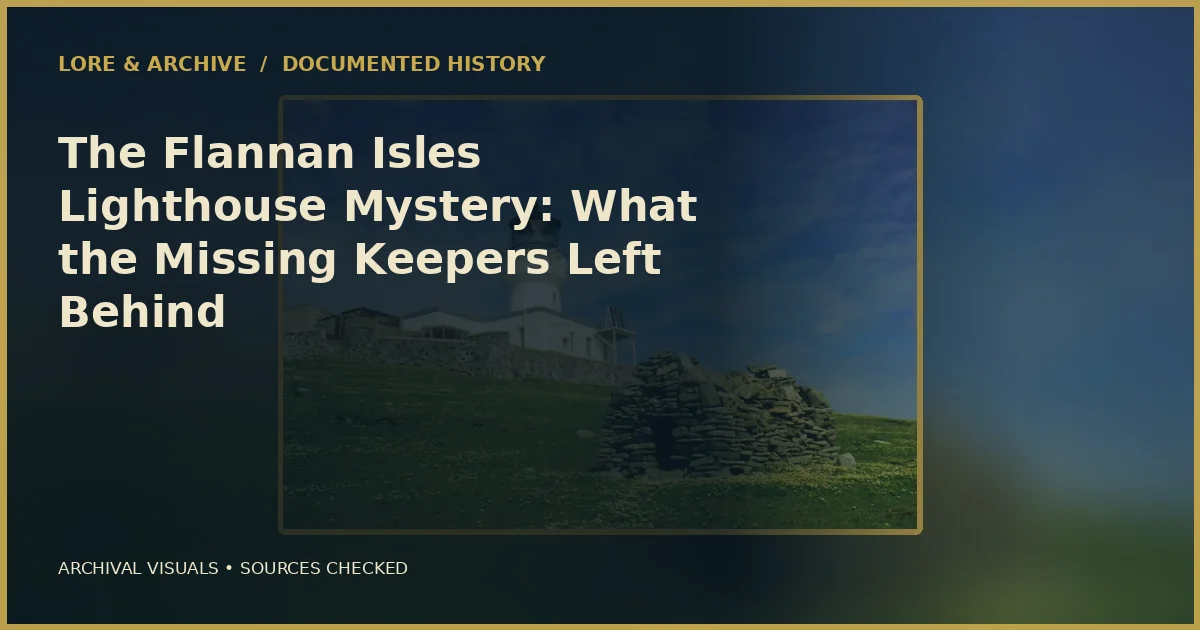
A relief ship reached Eilean Mòr and found the light unattended. The official record explains more than the legends suggest, but it cannot tell us exactly how three experienced men disappeared.
Archive record
- Place: Eilean Mòr, Outer Hebrides, Scotland
- Date discovered: December 26, 1900
- Missing: James Ducat, Thomas Marshall, and Donald McArthur
- Best-supported scenario: the men were swept away near the west landing
A light that failed to answer
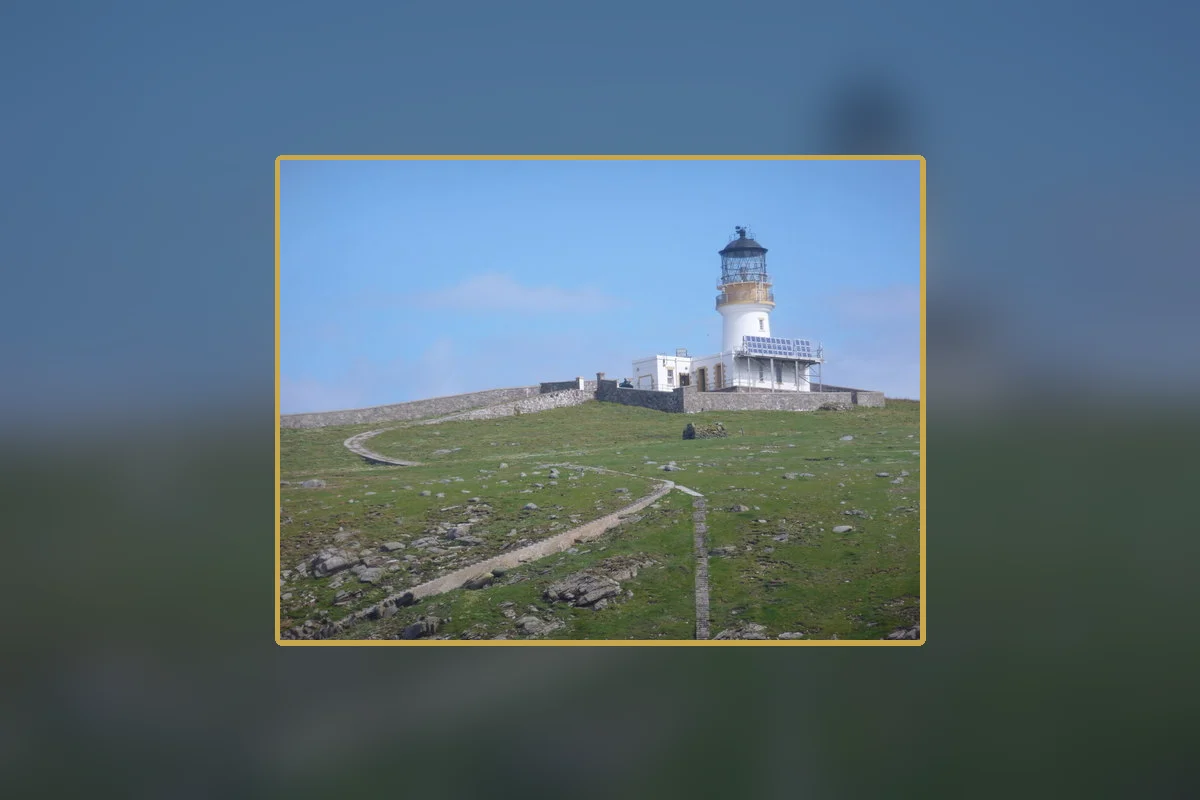
The relief vessel Hesperus approached Eilean Mòr on December 26 after weather had delayed the regular changeover. No keeper waited at the landing. A signal rocket brought no response, and the station remained unnaturally still. Relief keeper Joseph Moore climbed to the lighthouse and found no one inside. The absence was not a matter of a keeper being asleep or temporarily out of sight: all three men assigned to the station were gone.
The discovery created a puzzle with unusually hard edges. The lighthouse itself still stood, the lamp and domestic spaces could be inspected, and the log preserved a sequence of routine work. Yet there was no witness to the final hours. Every reconstruction begins after the decisive event, using only the condition of the station, the damaged landing equipment, and the men's missing outdoor clothing.
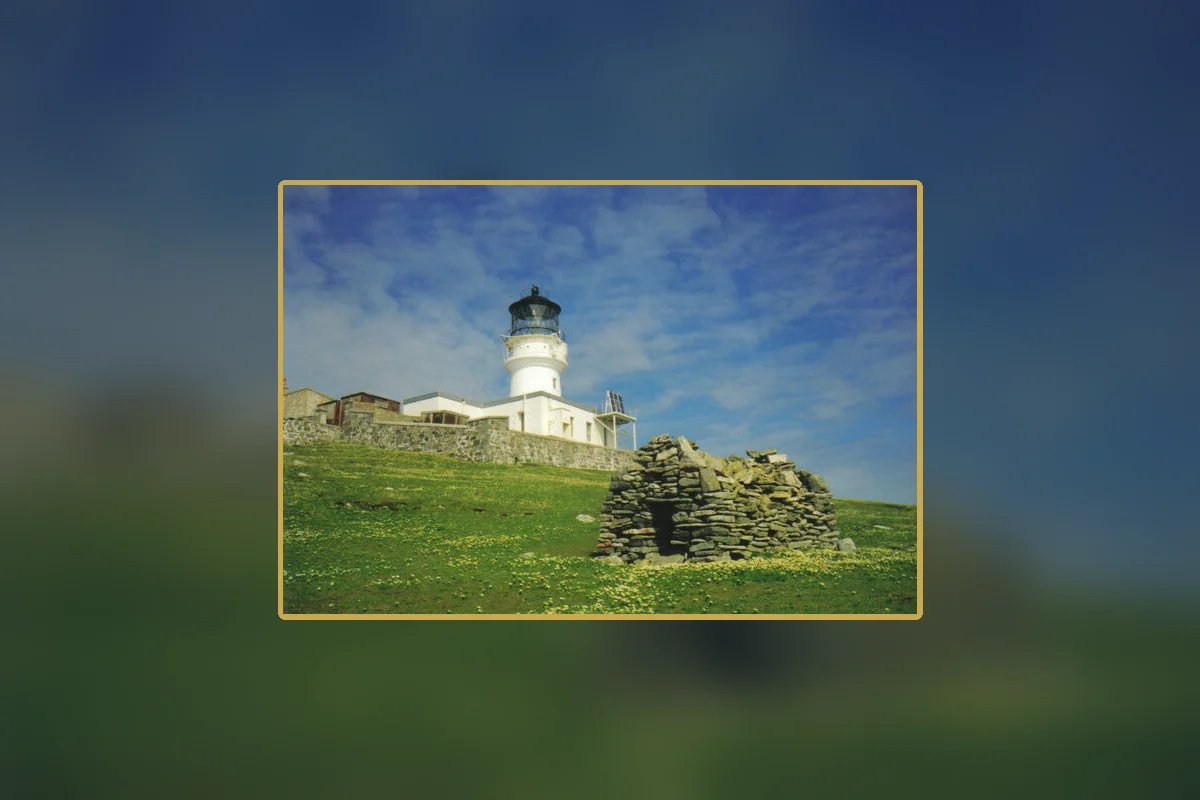
What the station actually showed
The official inspection did not describe a supernatural tableau. Beds and rooms were orderly. The kitchen had been tidied, and the lamp had been prepared. Two sets of oilskins were absent, while Donald McArthur's coat remained indoors—a detail suggesting he may have rushed out after the others. The stopped clock cannot be treated as a precise timestamp for the disappearance.
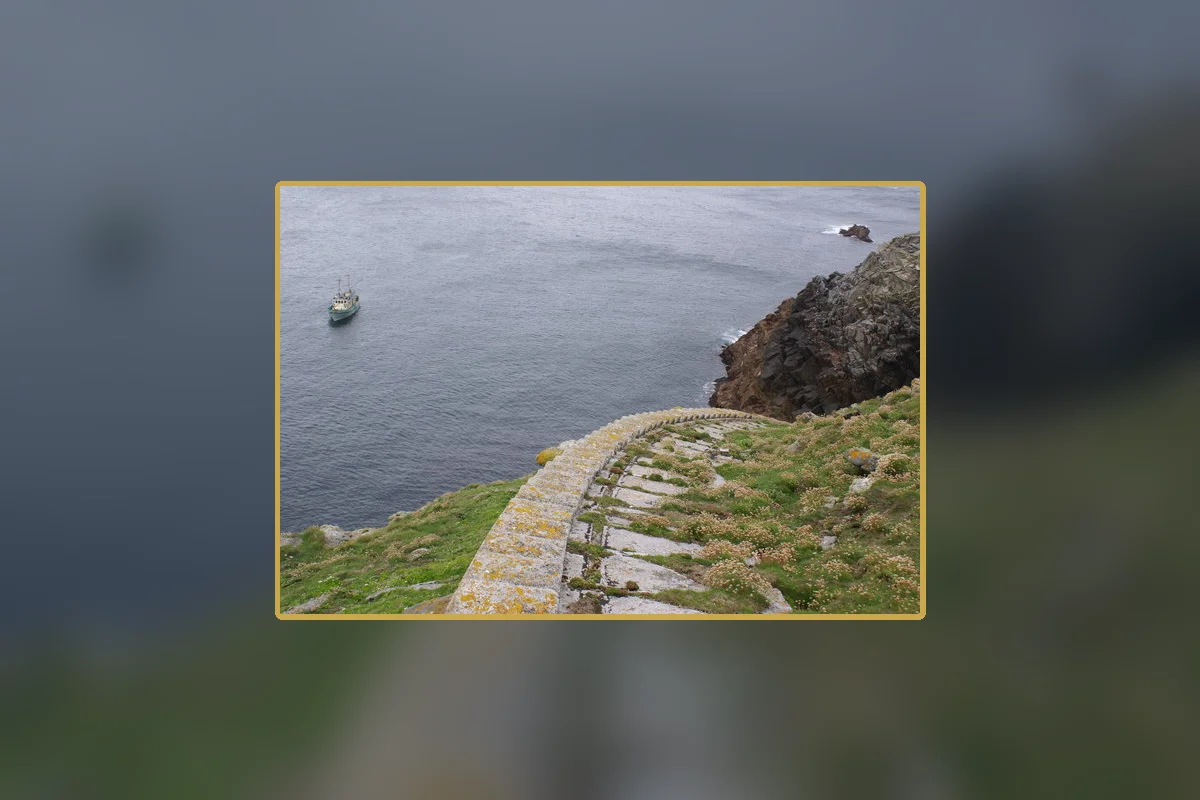
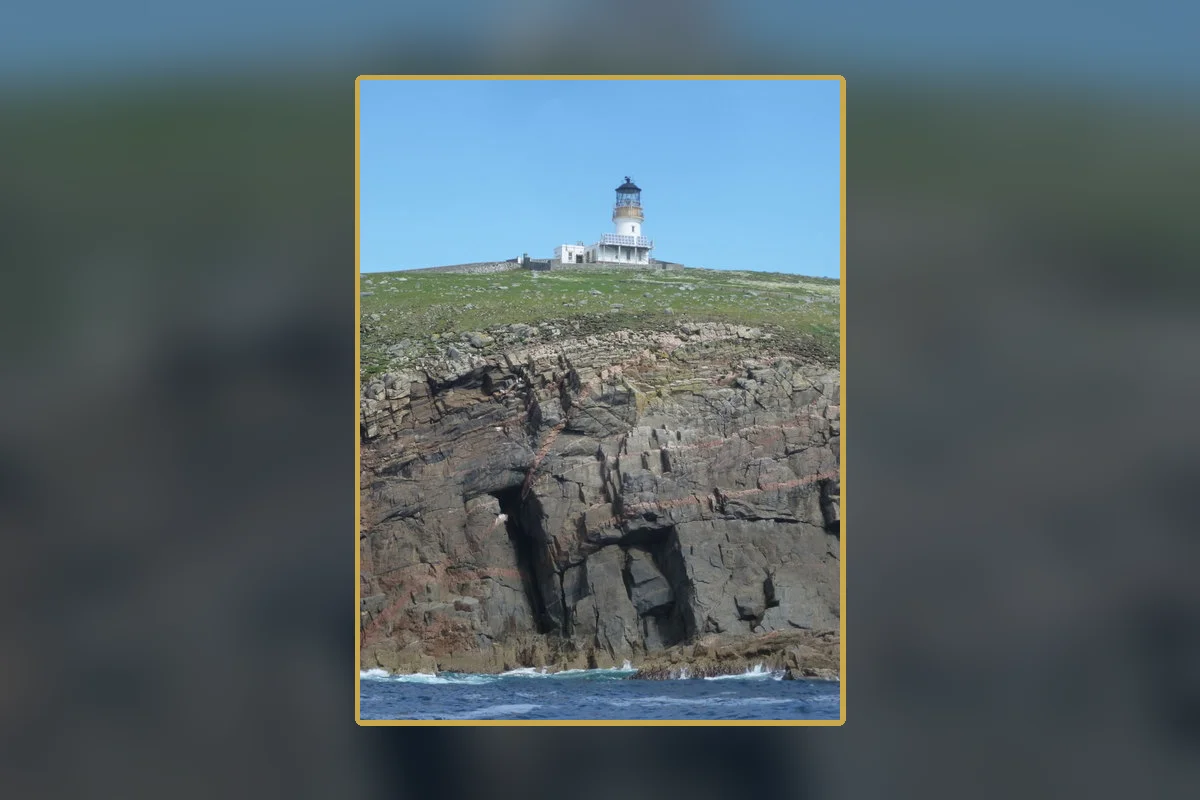
At the exposed west landing, investigators found the strongest physical evidence: displaced ropes, a damaged box, twisted ironwork, and stone moved by heavy seas. Some damage lay well above the normal waterline. Superintendent Robert Muirhead concluded that an exceptional wave probably caught the keepers while they were securing gear or responding to danger near the landing.
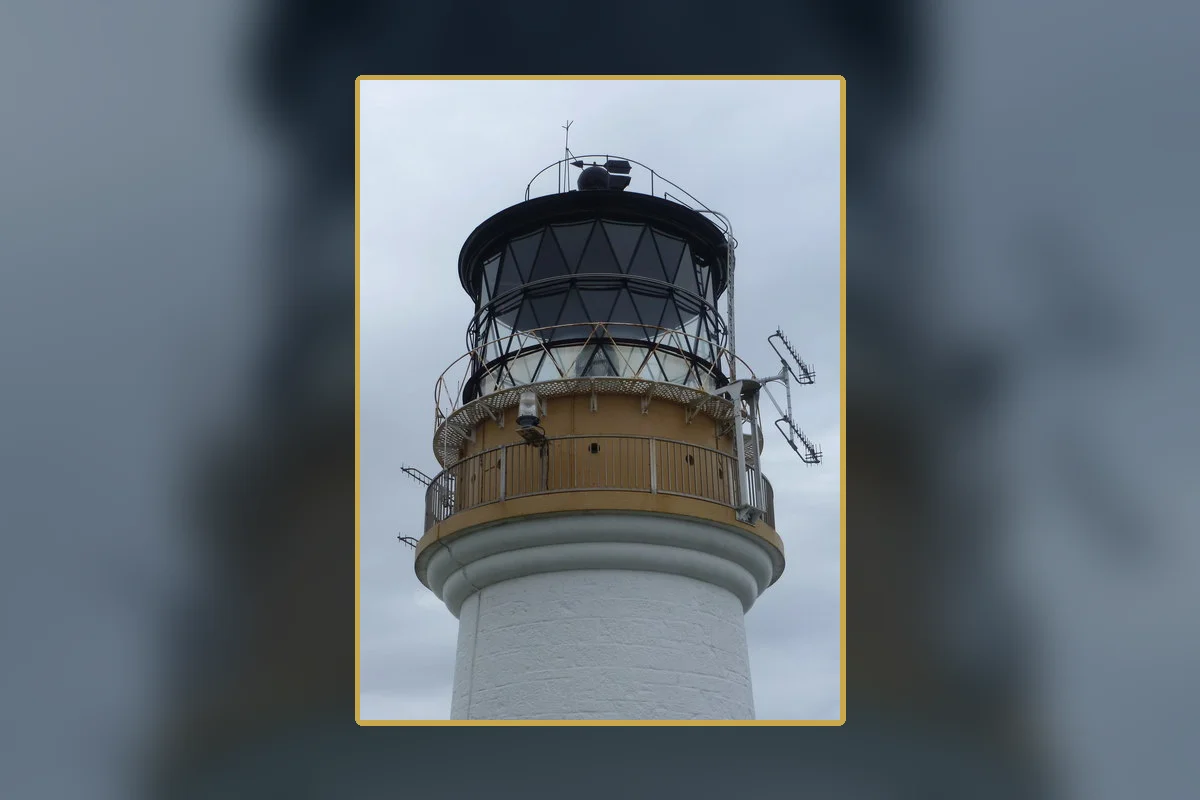
The rule that appears to have been broken
Lighthouse practice required someone to remain at the light while colleagues worked outside. If all three men went to the landing, the safety rule failed at exactly the wrong moment. That does not require collective recklessness. One plausible sequence is that two men went out in foul weather and the third hurried after them when he saw an emergency developing. McArthur's coat left behind fits haste, although it cannot prove the sequence.
A single large wave, or a succession of waves, could have carried men from wet rock before they could reach shelter. The surrounding Atlantic offers few recoverable traces. No bodies were found. Muirhead's explanation was therefore an inference from damage and circumstances, not a witnessed solution—the important distinction between the most likely account and a closed case.
How a sparse record grew dramatic details
Later retellings supplied crying keepers, a terrifying storm recorded in the log, a half-eaten meal, an overturned chair, and strange behavior before the disappearance. Those details are compelling because they give the mystery a final scene. They are absent from the contemporary official record or conflict with it. The famous emotional log entries appeared through later storytelling rather than the surviving station documents.
The real log is quieter. It records work and weather, then stops. That silence invited poems, newspaper embellishment, paranormal claims, and theories ranging from murder to sea monsters. The transformation is a warning: when an event has no witness and no bodies, memorable invented details can become easier to repeat than a restrained official report.
Could violence between the men explain it?
Murder-suicide scenarios persist because McArthur was known as a forceful character and because three simultaneous accidents feel improbable. But no physical evidence of a fight was reported in the lighthouse, and a conflict theory must still explain why the men ended up outside and why storm damage existed at the west landing. It adds motives and actions for which the archive supplies no support.
Other proposals—a rogue wave, one man slipping and the others attempting a rescue, or men being drawn out by damaged equipment—are variations on the same maritime mechanism. They differ in sequence, not in the central fact that the landing was dangerous and the sea had recently been violent. The evidence can rank these ideas, but it cannot select a minute-by-minute version.
The mystery that remains after the myths are removed
The Flannan case is not mysterious because nothing is known. We know who was present, when the light was last observed, what the relief crew found, and what damage the superintendent documented. Those facts make accidental loss at the landing far more credible than an otherworldly disappearance. They also leave unanswered why all three men were exposed at once and which man first faced danger.
That smaller, sharper uncertainty is more haunting than the embellished version. Three trained keepers likely responded to a practical problem in a place where a brief decision could become fatal. The archive can bring us to the edge of the landing; beyond it, the sea erased the final evidence.
What the record supports—and what it does not
The documented mystery is the loss of three men without witnesses or recovered bodies. The invented mystery is a locked-room scene filled with ominous log entries and signs of panic. Official and archival accounts support severe wave damage at the west landing and an accidental-loss explanation; they do not support paranormal intervention, a staged meal, or a recorded premonition.
Evidence ledger
- DISCOVERY — No answer from the island: Hesperus reached Eilean Mòr on December 26, 1900. Signals brought no keeper to the landing.
- EVIDENCE — Two oilskin sets were missing: McArthur's coat remained inside, consistent with a hurried departure—but not proof of the sequence.
- SCENE — Damage at the west landing: Ropes, ironwork, a storage box, and even stone showed the force of recent seas.
- INFERENCE — The official wave scenario: Superintendent Muirhead judged that the keepers were probably swept away while near the landing.
- MYTH CHECK — The dramatic log is later lore: Famous entries about panic and prayer do not belong to the surviving official record.
- OPEN QUESTION — Why were all three outside?: The evidence supports an accident. It cannot reconstruct the men's final decisions minute by minute.
How this reconstruction was built
The evidentiary center is the lighthouse administration: the relief crew's observations, the station log, and Superintendent Robert Muirhead's inspection of the west landing. Later poems and retellings are useful for studying how the legend grew, but not for reconstructing the room or the men's emotions. Damage can support a wave scenario without revealing whether one keeper slipped, two attempted a rescue, or all three responded to endangered equipment.
To audit the account, open the source links below and compare dates, quantities, and the wording used by the institutions themselves. Look for the earliest recoverable record, then distinguish it from later summaries created after the story became famous. The five visuals in this article are archival photographs, maps, documents, objects, or clearly identified editorial diagrams selected to illuminate the surviving record. Each caption identifies its source and rights information; no reconstruction is presented as a historical photograph. That transparency is part of the Lore & Archive method.
Why this story matters
Removing false details does not make the story dull; it reveals the real danger of isolated industrial work and the limits of reconstruction. The strongest conclusion is probabilistic: a wave-related accident is well supported, while the precise chain of decisions remains unknown.
Continue in the archive
- The Tunguska Event: What Exploded Above Siberia in 1908?
- The Radium Girls: How Factory Workers Forced a Reckoning With Radiation
- Mary Celeste: What the Evidence Says
Sources and further reading
- Northern Lighthouse Board — Flannan Islands
- National Records of Scotland — The disappearance
- National Records of Scotland — Lighthouse archive
Editorial note: Lore & Archive distinguishes contemporary evidence, later institutional synthesis, and unresolved inference. Where sources disagree or the record is incomplete, the uncertainty is stated rather than converted into a dramatic fact.