The mystery does not begin with a missing body. It begins with months of patient engineering hidden behind painted cardboard, a workshop above the cells, and a raincoat raft no guard saw being built.
Archive record
- Escape night: June 11, 1962
- Escapees: Frank Morris, John Anglin, Clarence Anglin
- Method: utility corridor, roof, improvised raft
- FBI case closed: 1979; U.S. Marshals investigation remains open
Heads under the blankets
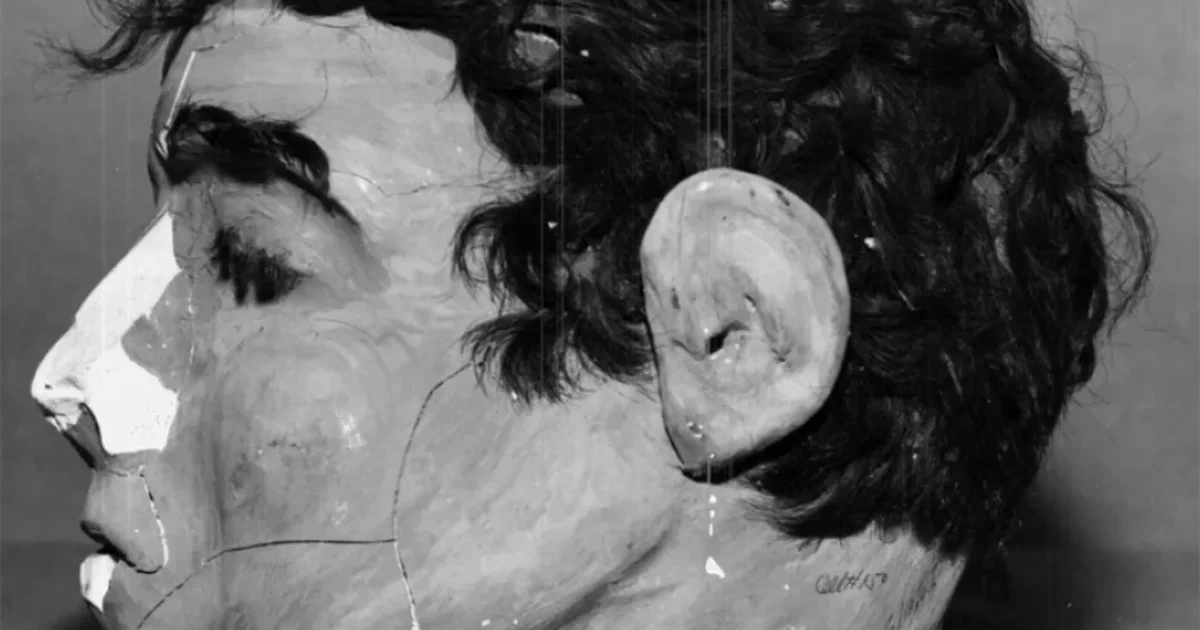
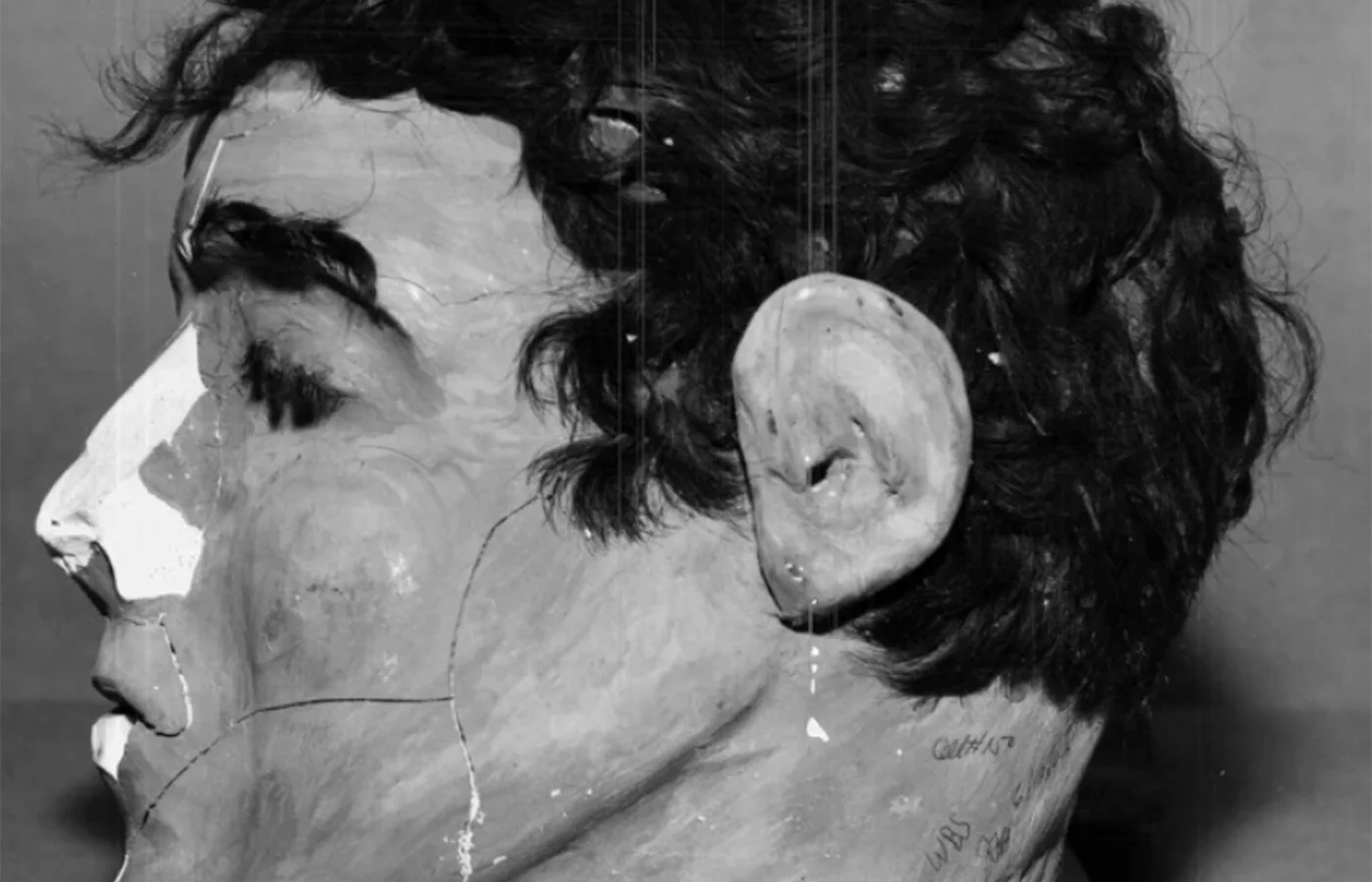
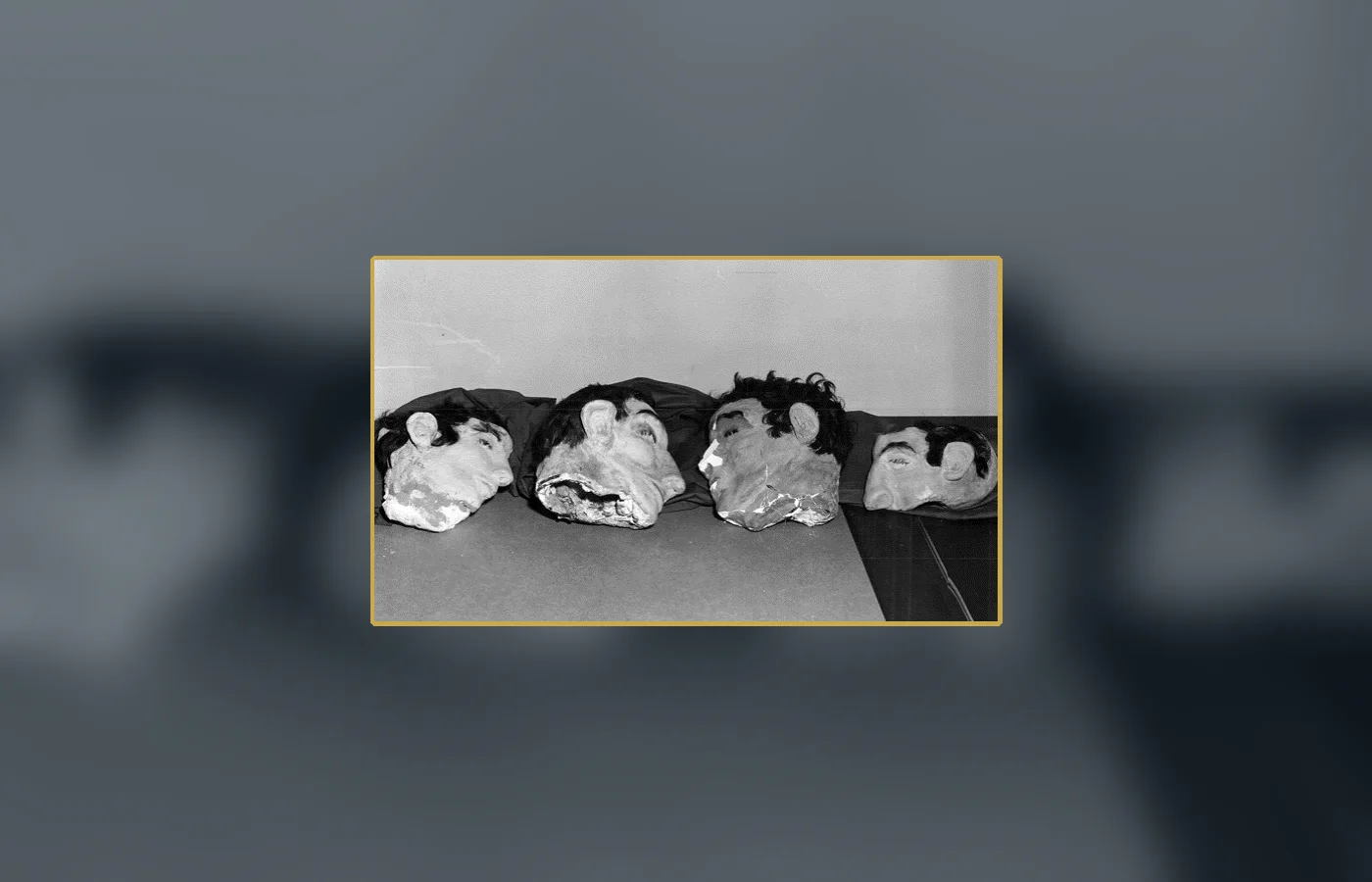
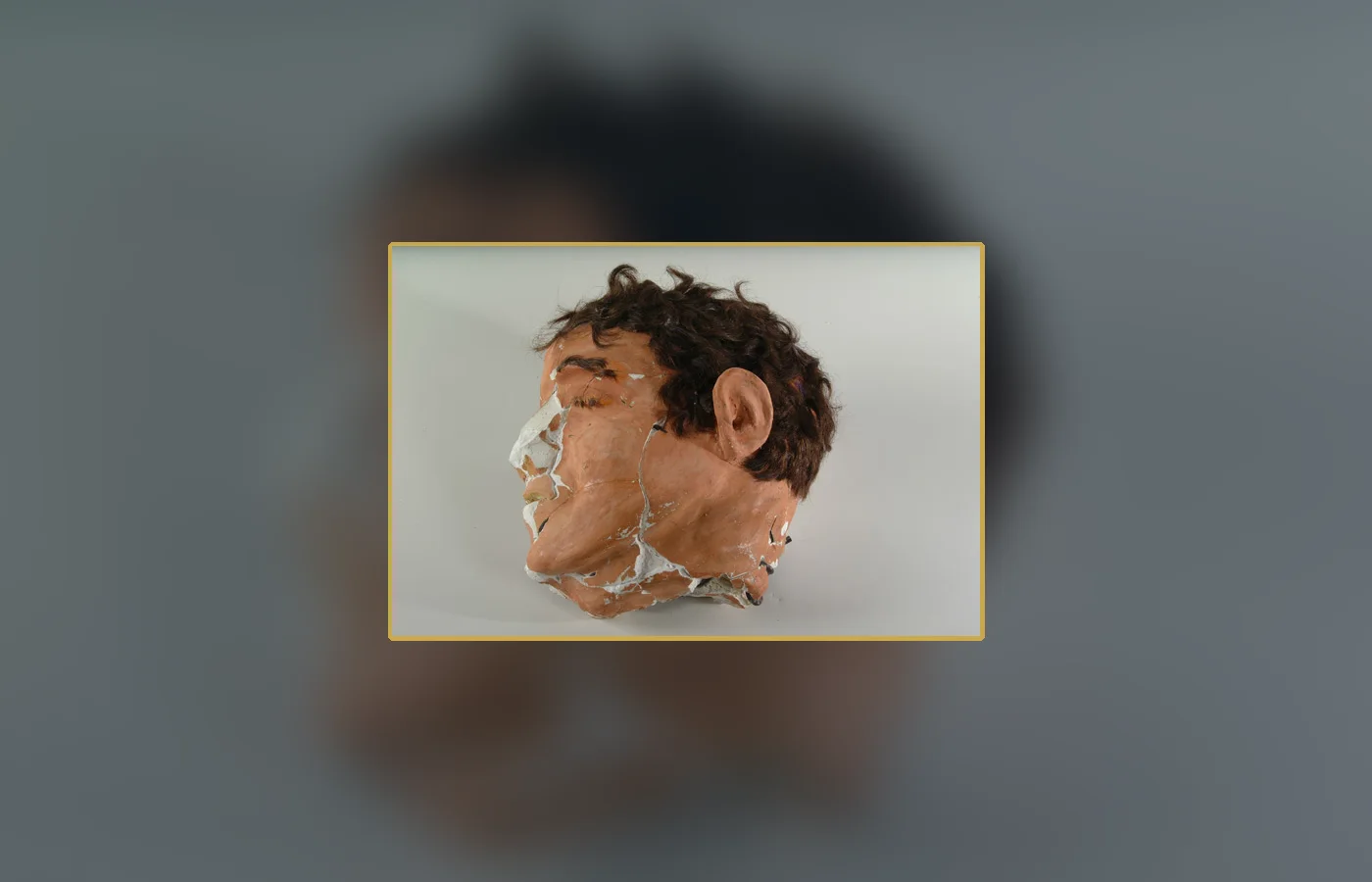
On the morning of June 12, 1962, a guard reached through the bars of John Anglin's cell and touched what appeared to be his head. It rolled to the floor. The face had been shaped from plaster-like material, painted in a prison art area, and finished with real hair gathered from the barbershop. Similar decoys occupied the beds of Clarence Anglin and Frank Morris.
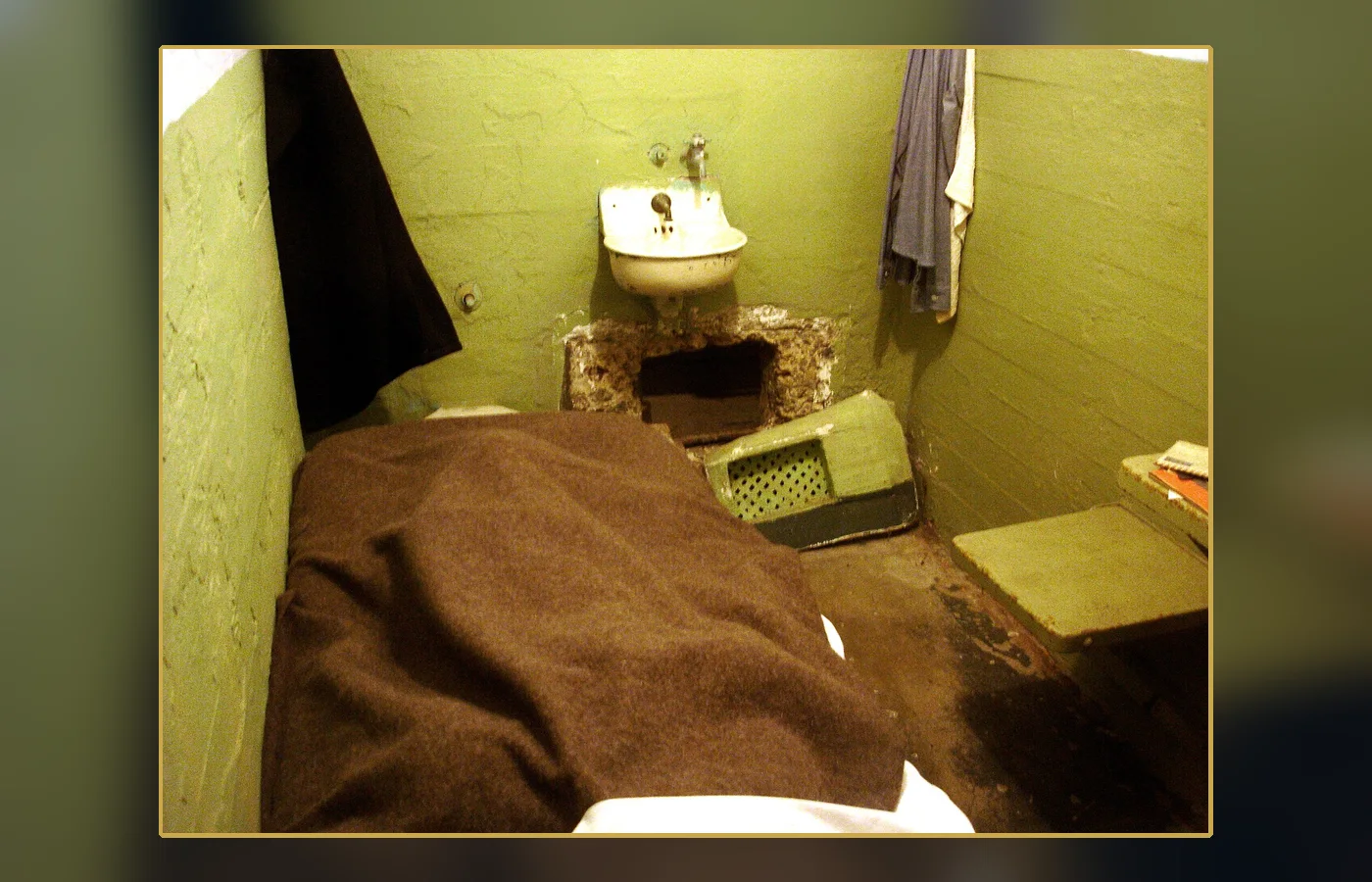
The heads bought time. By the time the alarm sounded, the three men had passed through openings behind their cells, climbed a service corridor, crossed the roof, descended outside the cellblock, and reached the northeast shore. A fourth conspirator, Allen West, failed to remove his ventilator grille in time and was left behind.
A workshop above the cells
The prison's aging concrete had been damaged by salt air. The men enlarged ventilation openings with improvised tools, including sharpened spoons and a drill assembled from a vacuum-cleaner motor. Painted cardboard grilles concealed the work. Noise from the prison music hour helped mask scraping.
Behind the cells, an unguarded utility corridor led upward. The conspirators established a hidden workshop above the cellblock where they assembled life vests and a raft from more than fifty stolen raincoats. Heat sealed seams; a modified musical instrument served as a bellows. Each part was ordinary enough to disappear into prison routine.
The bay as both route and suspect
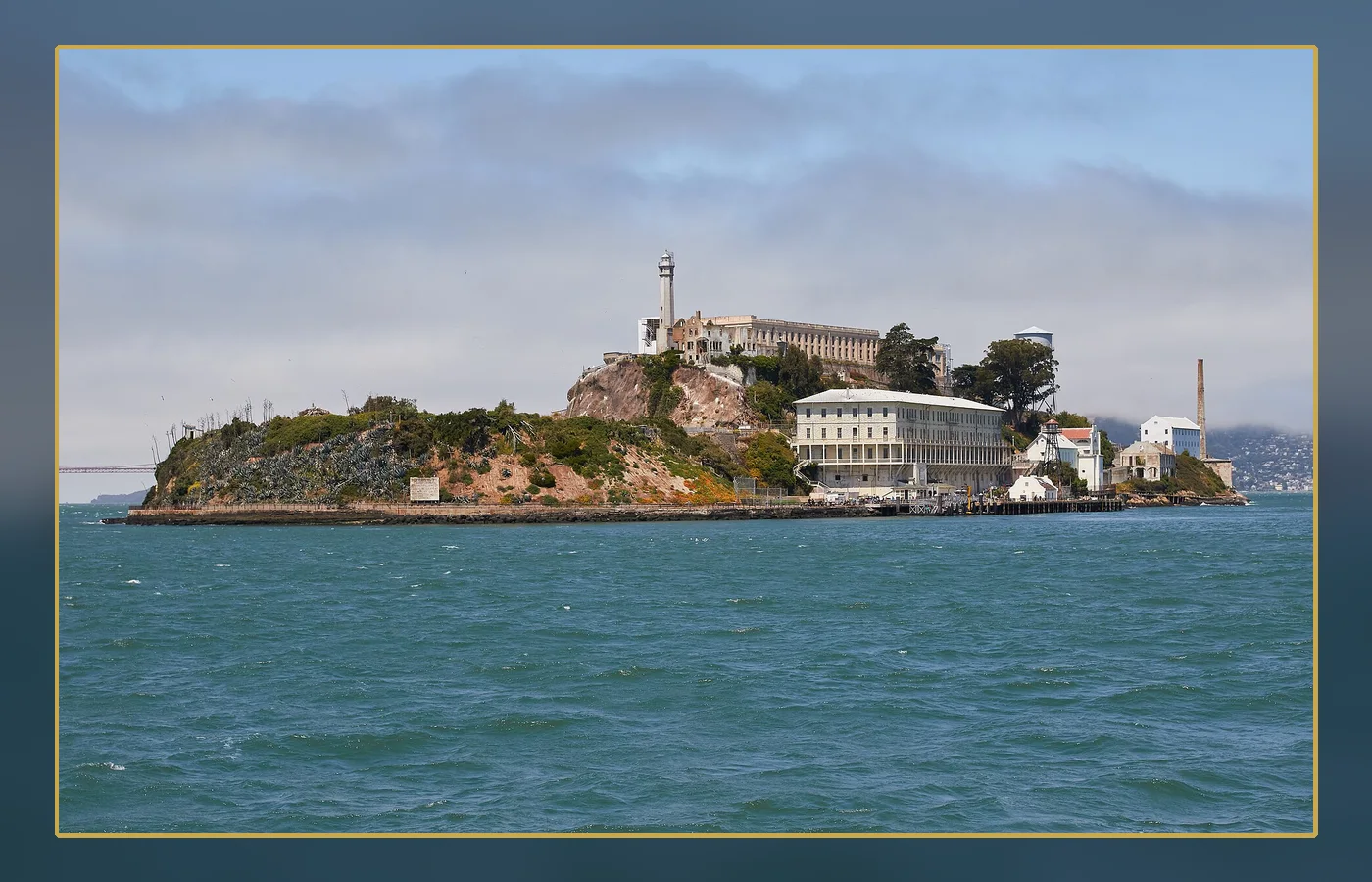
Alcatraz's security relied partly on cold, fast-moving water. The escapees planned to launch toward Angel Island, then reach the mainland. Investigators recovered a homemade paddle and personal effects in the bay. A raincoat package was found, but the main raft and the men were not conclusively recovered.
The FBI concluded that the escapees most likely drowned, citing the difficult currents, cold water, and absence of confirmed contact. That conclusion is plausible, not equivalent to recovered proof. Modeling has shown that a carefully timed departure could have carried a raft toward land, while a poor launch time could have swept it seaward.
Claims of survival and their limits
Over the decades, relatives reported unexplained flowers, cards, and sightings. A 2013 letter claimed to come from John Anglin and offered surrender in exchange for medical treatment. Handwriting and forensic testing did not authenticate it. A photograph said to show the brothers in Brazil remains disputed.
These claims deserve neither automatic belief nor automatic ridicule. Each must be judged against provenance, timing, and independent confirmation. None has closed the case. The strongest survival argument is the absence of bodies combined with the competence of the plan; the strongest drowning argument is the bay and the lack of verified later lives.
An ending the archive refuses to supply
The FBI ended its active investigation in 1979 and transferred responsibility to the U.S. Marshals Service, which still lists the men as wanted. Official disagreement is smaller than it sounds: both agencies acknowledge the escape succeeded in leaving the prison, while the question is whether it succeeded beyond the water.
The dummy heads remain powerful because they document the exact moment certainty failed. Guards could reconstruct how three prisoners got out. They could not follow them across the bay. The plan is one of the best-evidenced escapes in American history; the outcome remains an inference.
What the record supports—and what it does not
The men did escape the cellhouse; that is documented. No authenticated photograph, letter, body, or later identity has proved whether they survived the bay. Saying they certainly drowned or certainly lived goes beyond the available record.
Evidence ledger
- DECOY — Handmade heads in three beds: Paint, plaster-like material, and real hair delayed discovery.
- TOOLS — Spoons and a homemade drill: The men exploited salt-damaged concrete behind cell vents.
- RAFT — More than fifty raincoats: They built flotation gear in a hidden workshop.
- ROUTE — Roof to northeast shore: The prison escape is reconstructable up to the water.
- FINDINGS — Paddle and belongings: Recovered items support the planned bay crossing but not its outcome.
- OPEN — No verified final fate: The Marshals Service still treats the escapees as wanted.
How this reconstruction was checked
This reconstruction begins with FBI — Alcatraz Escape, U.S. Marshals Service — Frank Lee Morris. Those records establish the dates, people, objects, and institutional findings used above. Later retellings are useful only when they can be traced back to that record. A repeated anecdote is not treated as independent confirmation simply because it appears on several websites.
The unresolved question is kept separate from the documented mechanism. In this case, the evidence supports the following boundary: The men did escape the cellhouse; that is documented. No authenticated photograph, letter, body, or later identity has proved whether they survived the bay. Saying they certainly drowned or certainly lived goes beyond the available record. The purpose of that boundary is not to flatten the mystery. It prevents a vivid but unsupported detail from displacing the evidence that makes the story worth reading.
Every visual is either a historical photograph, document, map, object, site image, or an explicitly labeled contextual comparison. Captions identify the source and license. No AI reconstruction and no text-poster image is presented as historical evidence; the featured image is derived directly from the first archival visual without a headline overlay.
Why this story matters
The case demonstrates how a tightly controlled institution can be defeated through accumulated small blind spots. Its unresolved ending also teaches the difference between an official conclusion and physical proof.
Continue in the archive
- Mary Celeste: What the Abandoned Ship Actually Left Behind
- The D. B. Cooper Evidence File
- The Flannan Isles Lighthouse Mystery
Sources and further reading
Editorial note: Lore & Archive separates contemporary records, later institutional synthesis, and unresolved inference. When sources disagree or the archive is incomplete, the uncertainty is stated rather than converted into a dramatic fact.