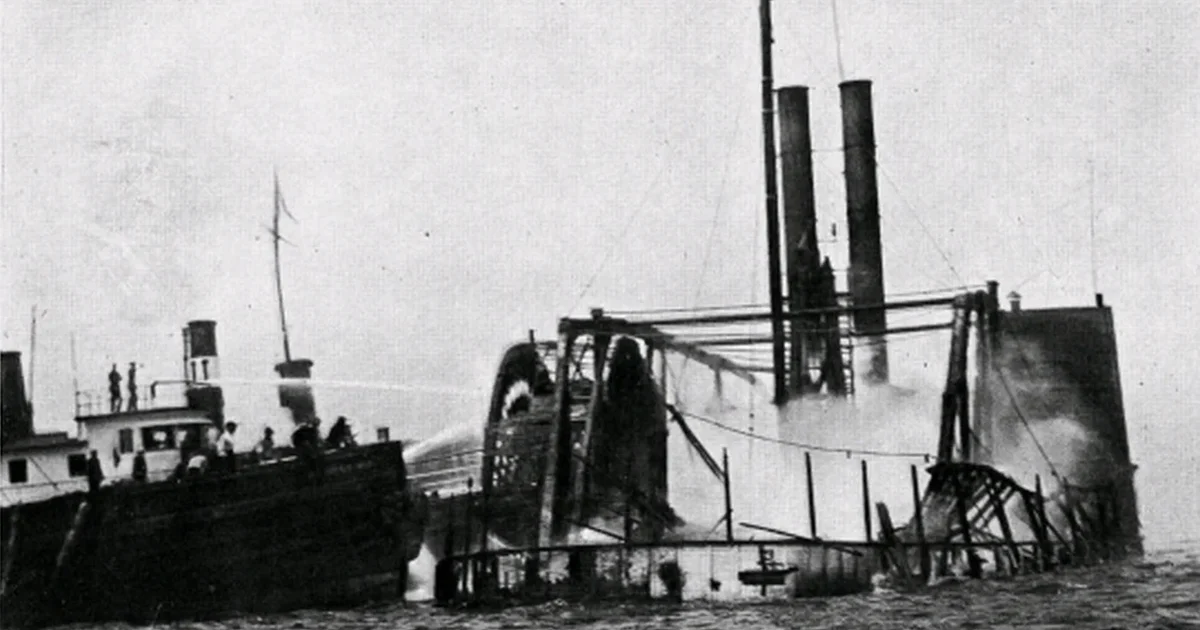
For New York's German-American community, the annual church picnic was a tradition. In less than an hour, defective safety systems turned the outing into the city's deadliest disaster before September 11.
Archive record
- Date: June 15, 1904
- Route: East River toward Long Island
- Passengers: St. Mark's Lutheran Church excursion
- Estimated deaths: about 1,021
A church outing leaves the pier
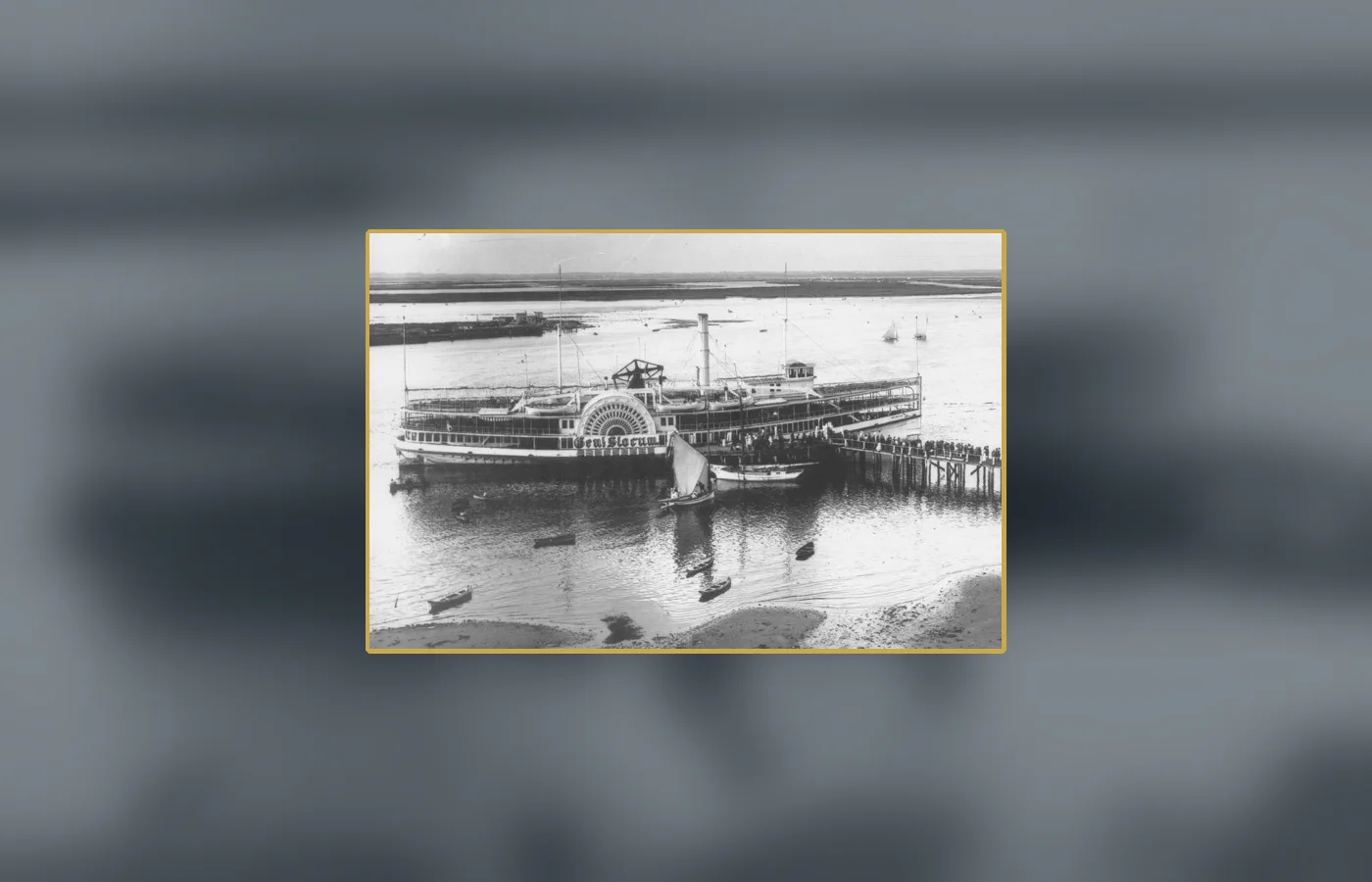
The sidewheel steamboat General Slocum carried families from St. Mark's Evangelical Lutheran Church in Manhattan's Little Germany neighborhood toward a picnic site on Long Island. Most passengers were women and children. The morning was festive, and the vessel had recently passed a federal safety inspection.
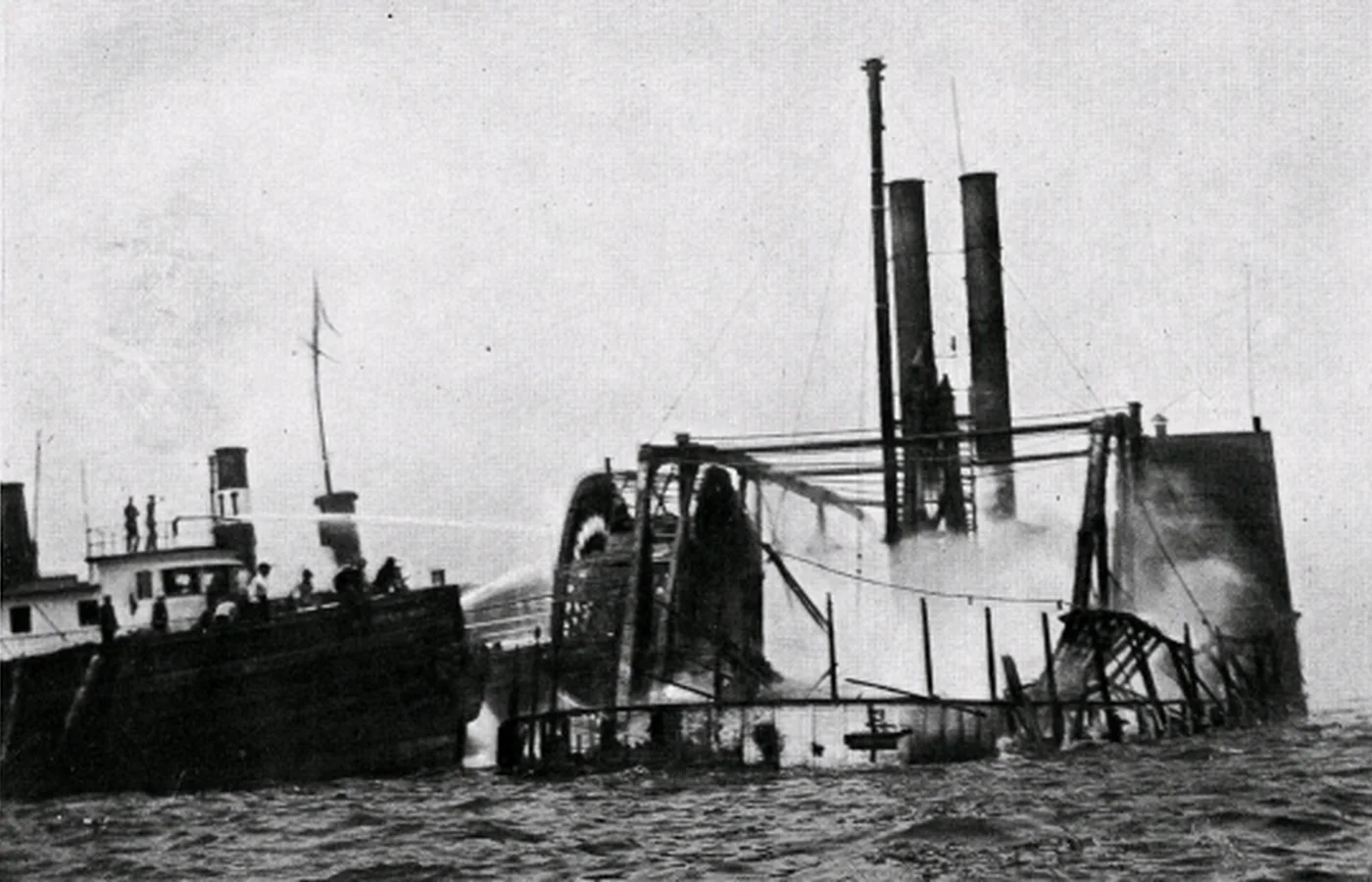
A fire began in a forward compartment holding combustible material. Delay and confusion allowed it to spread. Wind created by the moving vessel drove flame aft across crowded decks while the ship continued toward North Brother Island.
Every layer of protection gives way
Crew members attempted to use a fire hose that burst under pressure. Lifeboats had been painted or wired into place and could not be launched effectively. Life preservers were old, rotten, or filled with low-quality cork; straps failed and some devices did not support the people wearing them.
Many passengers could not swim, and heavy clothing increased danger. People faced fire behind them and the East River below. A safety system designed as several independent layers failed almost as one because inspection and maintenance had become formalities.
Why the captain kept moving
Captain William Van Schaick steered toward North Brother Island rather than immediately beaching the ship along a more industrial shoreline where fuel tanks and lumber yards posed additional hazards. Continuing at speed may have made steering possible, but it also fed the fire with wind.
Later judgments often compress the decision into simple cowardice or incompetence. It was consequential, but it occurred inside a vessel whose owners, crew procedures, equipment, and inspectors had already removed safer options. The disaster cannot be understood through the captain alone.
A neighborhood loses its center
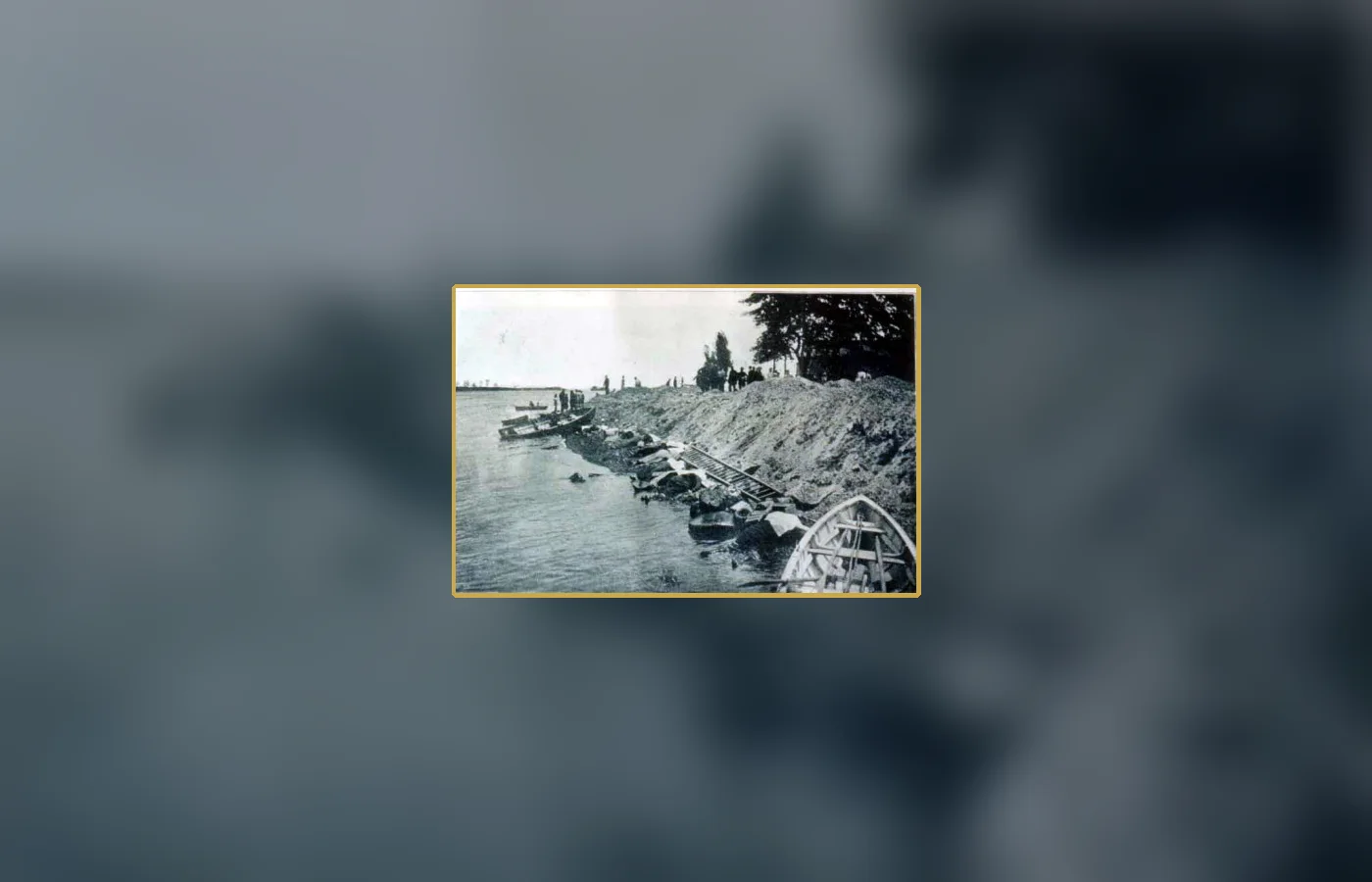
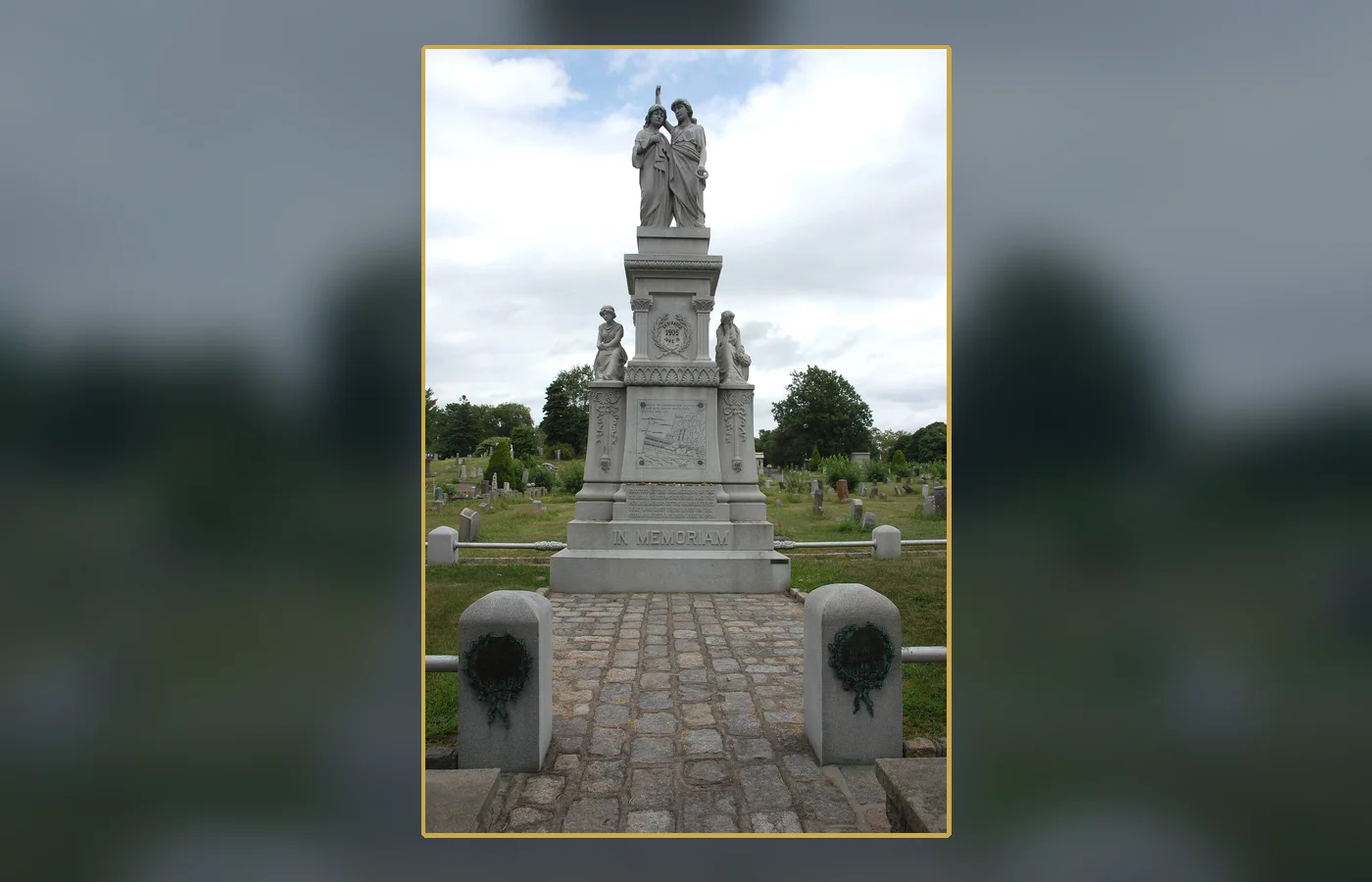
About 1,021 people died, though historical counts vary slightly. Bodies were recovered from the river and wreck for days. The losses concentrated in families from a small community; homes, church networks, and businesses were changed at once.
Many survivors and relatives later moved away from Little Germany. Immigration and urban change were already reshaping the neighborhood, but the disaster accelerated the loss of its social center. The Slocum was not only a shipwreck. It was a demographic wound carried through a city.
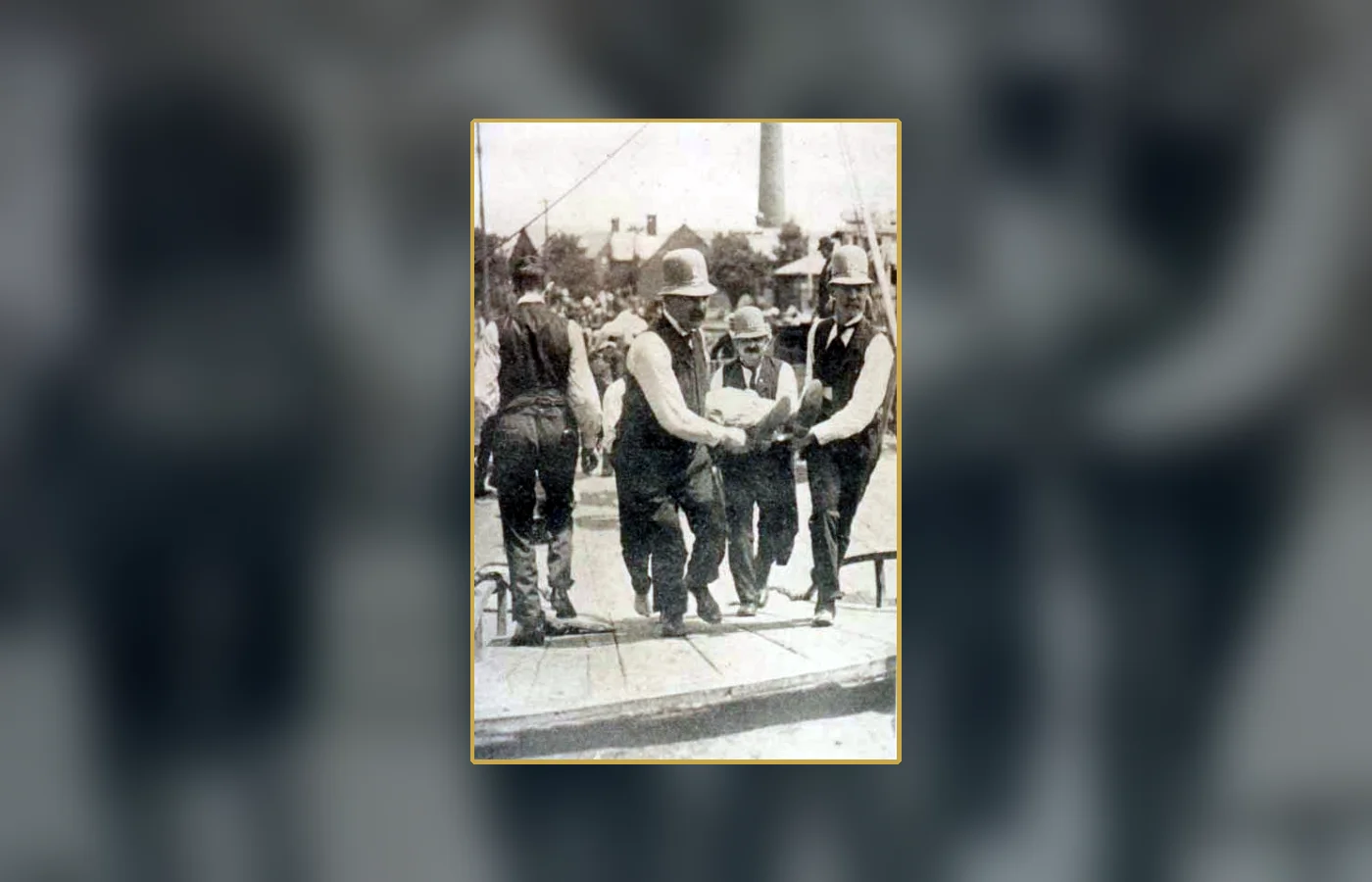
Inspection after an inspected ship burns
Investigations exposed corruption, superficial checks, and equipment unfit for use. Van Schaick was convicted of criminal negligence and served prison time; other prosecutions did not distribute responsibility as broadly as the failures might suggest. President Theodore Roosevelt removed inspectors connected with the vessel.
New requirements improved hoses, life preservers, lifeboat access, fireproofing, and inspection. Reform arrived through evidence that the rules had existed on paper without producing safety in practice. The most unsettling fact remains that the ship had passed.
What the record supports—and what it does not
The disaster was not caused by one panicked captain alone. His decisions mattered, but rotten life preservers, an unusable hose, inaccessible boats, weak training, company neglect, and failed inspection made the casualty scale possible.
Evidence ledger
- OUTING — Families from Little Germany: The annual church excursion carried many women and children.
- FIRE — A forward compartment ignited: Movement and wind drove flame across the ship.
- HOSE — It burst under pressure: The first line of defense was unfit.
- ESCAPE — Boats and preservers failed: Equipment passed by inspectors did not work in use.
- LOSS — About 1,021 deaths: The disaster devastated one neighborhood.
- REFORM — Inspection rules tightened: Safety hardware and accountability changed afterward.
How this reconstruction was checked
This reconstruction begins with Brooklyn Public Library — The General Slocum Disaster, National Coast Guard Museum — Written in Blood, Library of Congress — General Slocum photograph. Those records establish the dates, people, objects, and institutional findings used above. Later retellings are useful only when they can be traced back to that record. A repeated anecdote is not treated as independent confirmation simply because it appears on several websites.
The unresolved question is kept separate from the documented mechanism. In this case, the evidence supports the following boundary: The disaster was not caused by one panicked captain alone. His decisions mattered, but rotten life preservers, an unusable hose, inaccessible boats, weak training, company neglect, and failed inspection made the casualty scale possible. The purpose of that boundary is not to flatten the mystery. It prevents a vivid but unsupported detail from displacing the evidence that makes the story worth reading.
Every visual is either a historical photograph, document, map, object, site image, or an explicitly labeled contextual comparison. Captions identify the source and license. No AI reconstruction and no text-poster image is presented as historical evidence; the featured image is derived directly from the first archival visual without a headline overlay.
Why this story matters
General Slocum turns the abstract phrase 'regulatory failure' into objects readers can see: a hose that splits, a boat that will not move, and a life preserver that disintegrates when needed.
Continue in the archive
- The Great Molasses Flood: The Warning Sounds Boston Was Told to Ignore
- The B-25 That Crashed Into the Empire State Building
- Why Vasa Sank
Sources and further reading
- Brooklyn Public Library — The General Slocum Disaster
- National Coast Guard Museum — Written in Blood
- Library of Congress — General Slocum photograph
Editorial note: Lore & Archive separates contemporary records, later institutional synthesis, and unresolved inference. When sources disagree or the archive is incomplete, the uncertainty is stated rather than converted into a dramatic fact.