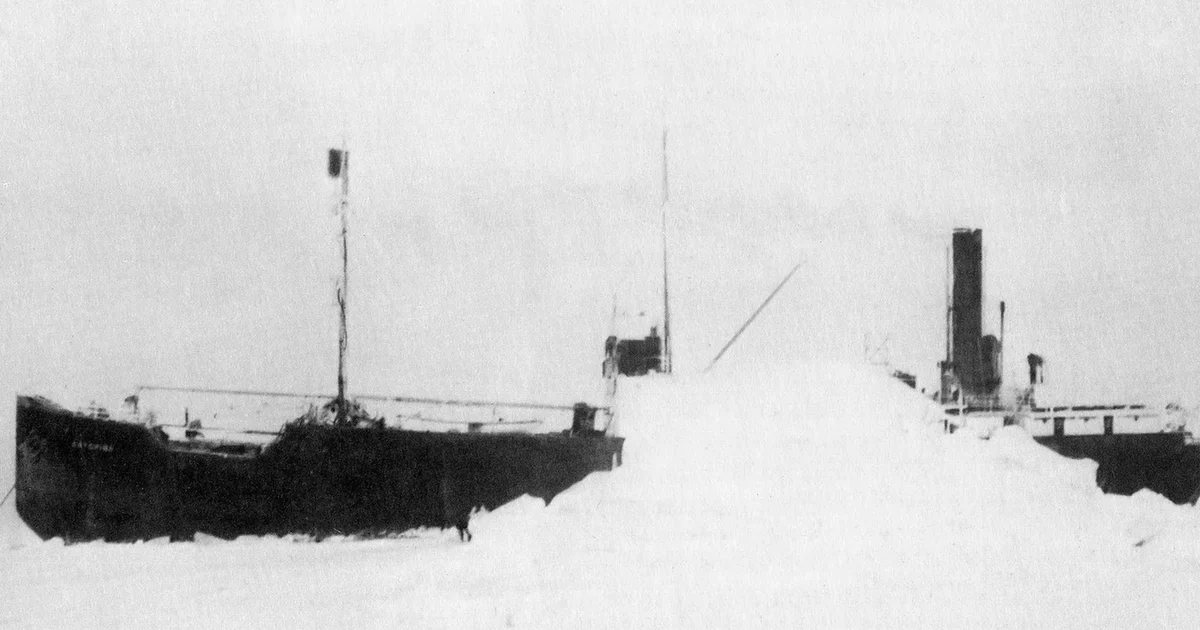
Baychimo is unusual among ghost ships because artifacts recovered from its decks now sit in a museum. The ship's drifting years were real; the last dramatic sightings are less secure than the first.
Archive record
- Built: 1914
- Owner from 1921: Hudson's Bay Company
- Abandoned: 1931 near Alaska
- Final fate: unknown, presumed sunk
A cargo ship trapped in an early winter
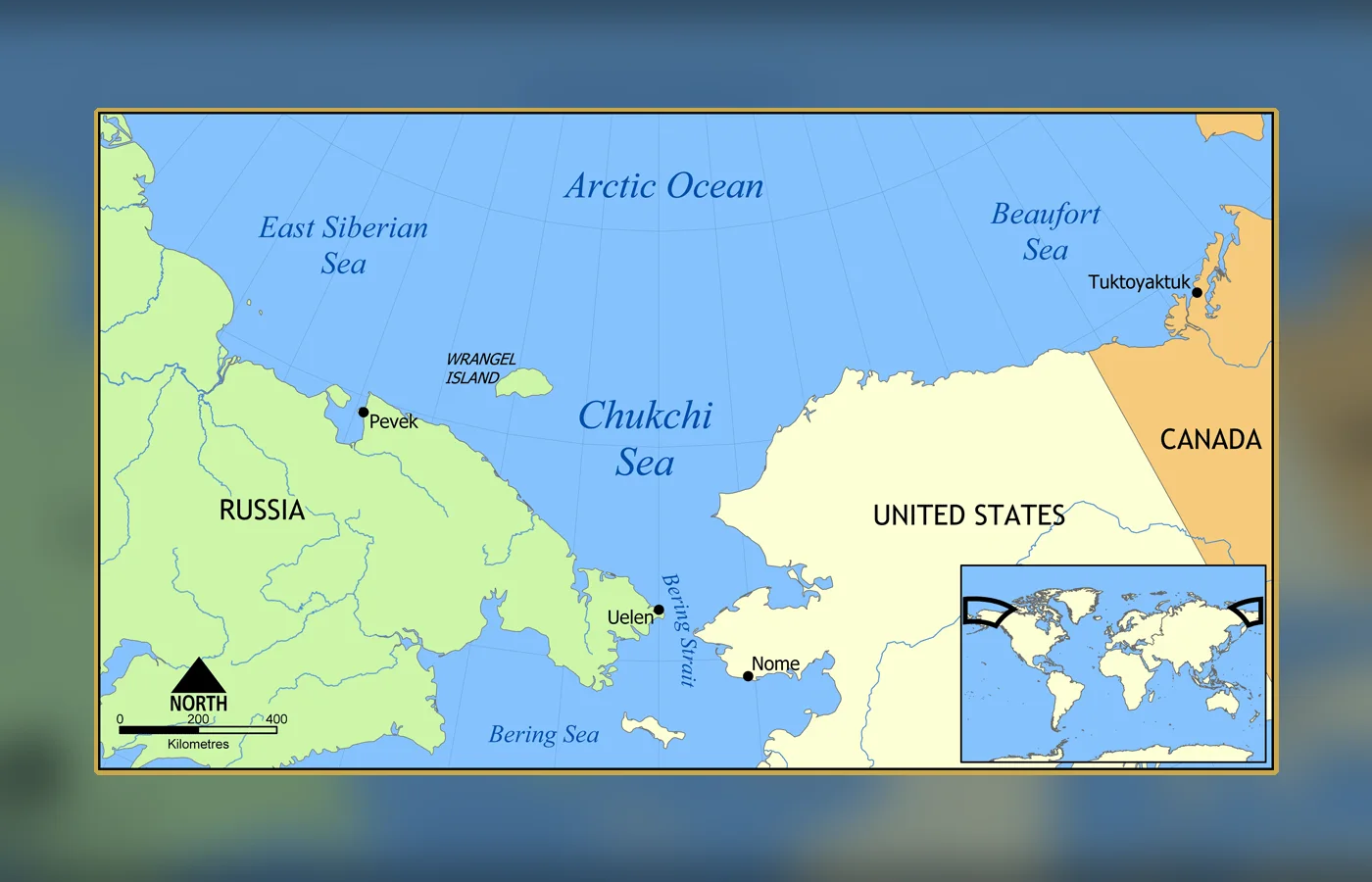
Baychimo carried supplies and furs along Arctic routes for the Hudson's Bay Company. In October 1931, sea ice trapped the steel-hulled steamer off northern Alaska. Some crew evacuated while Captain John Cornwell and others established a camp to watch the vessel.
After a severe storm, the ship disappeared. The crew believed it had sunk. Inupiat hunters soon reported it afloat many miles away. Cornwell recovered valuable cargo and concluded that the damaged ship could not be safely operated, leaving it to ice and current.
The ship people could reach but not keep
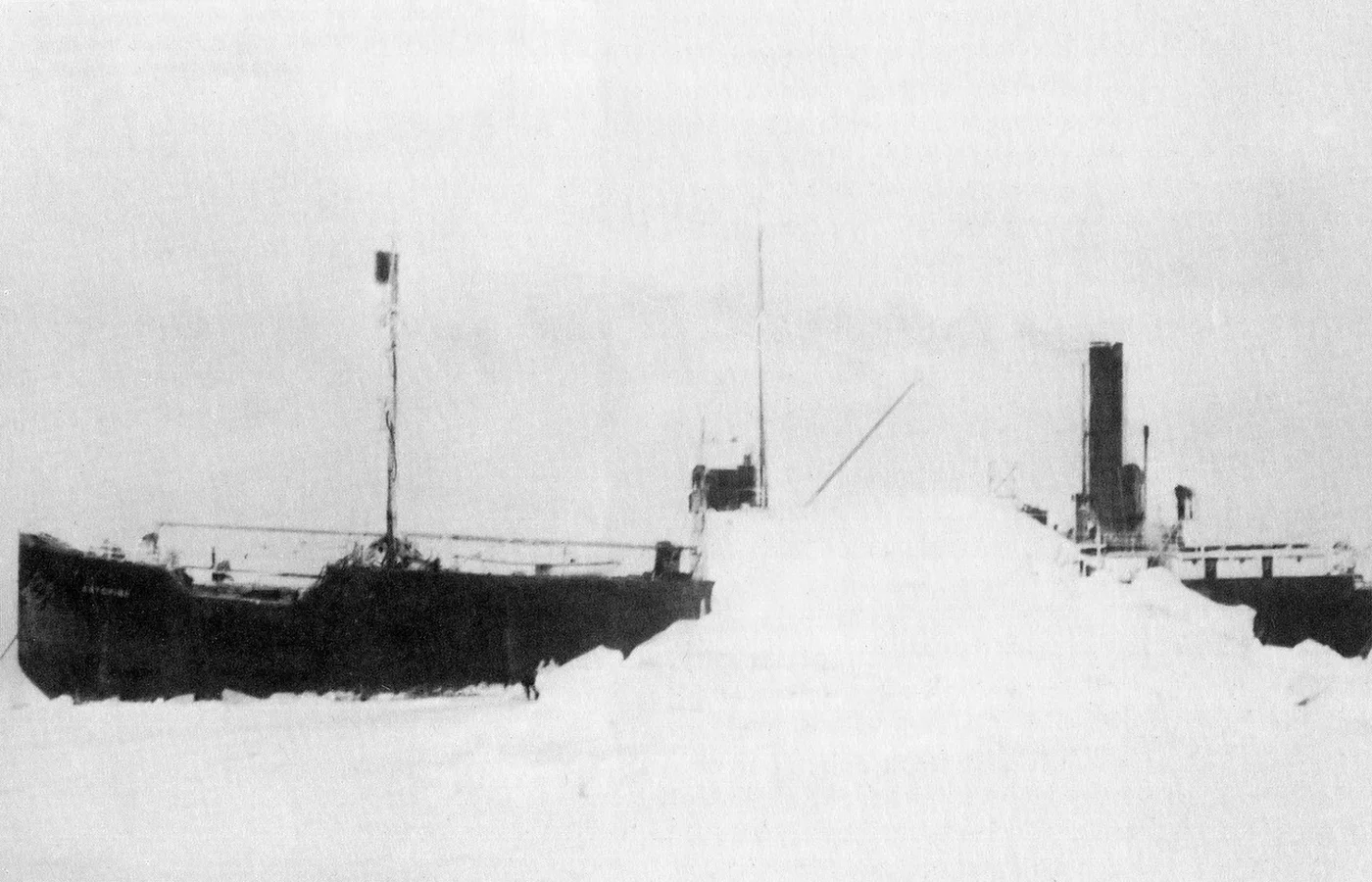
Over subsequent years, Baychimo was reported at different locations and boarded several times. Salvage was difficult because weather changed quickly, tow capacity was limited, and the ship could become trapped again. A vessel without engines under control was still a large steel object moving inside a landscape of pack ice.
The label 'ghost ship' can suggest an untouched phantom gliding for decades. In reality, people entered it, removed goods, attempted salvage, and left records. Ice alternately held, released, and redirected the hull.
Artifacts with a route of their own
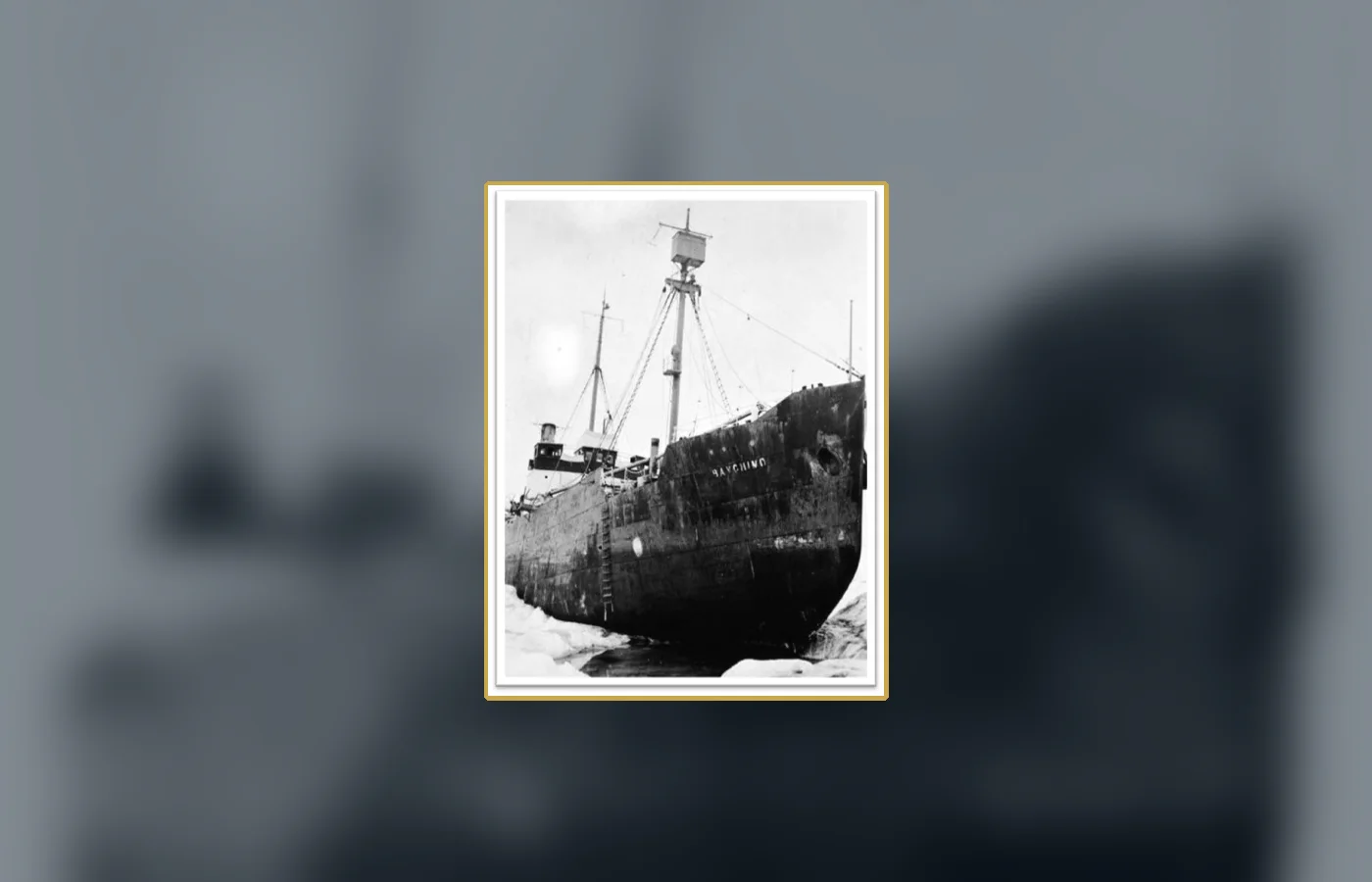
In 2015, a University of Alaska Museum of the North curator reopened a group of objects labeled as taken from the 'Beychimo.' Research linked the ulu, blubber pounder, and other items to ethnographic material collected by filmmaker Richard Finnie and later recovered from the abandoned ship.
The objects supplied a physical chain: collected in the western Arctic, stored aboard Baychimo, removed by people who boarded the derelict, transferred to collector Otto Geist, and accessioned by the museum in 1934. They turn a drifting-ship legend into a traceable collection history.
How firm are the later sightings?
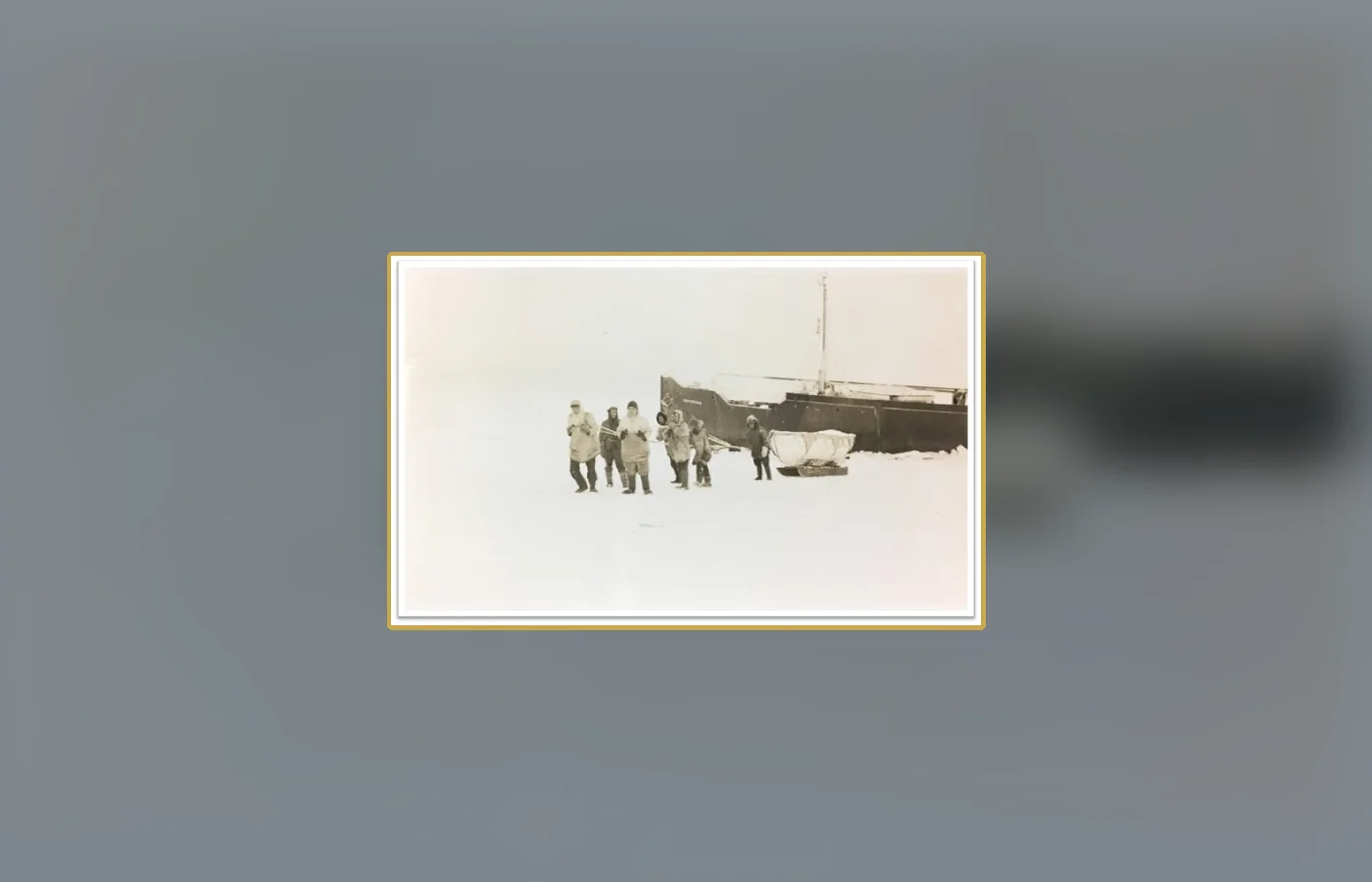
Early sightings and boardings are supported by company, newspaper, and museum records. Claims extend for decades, with a commonly repeated final sighting in 1969. Documentation becomes thinner as the story travels farther from 1931.
That does not prove every later report false. It means the evidence should be graded. An identifiable ship examined by a known party carries more weight than a distant hull remembered years later. The Arctic contains many vessels, wrecks, and visual conditions that complicate identification.
Where could a steel ship go?
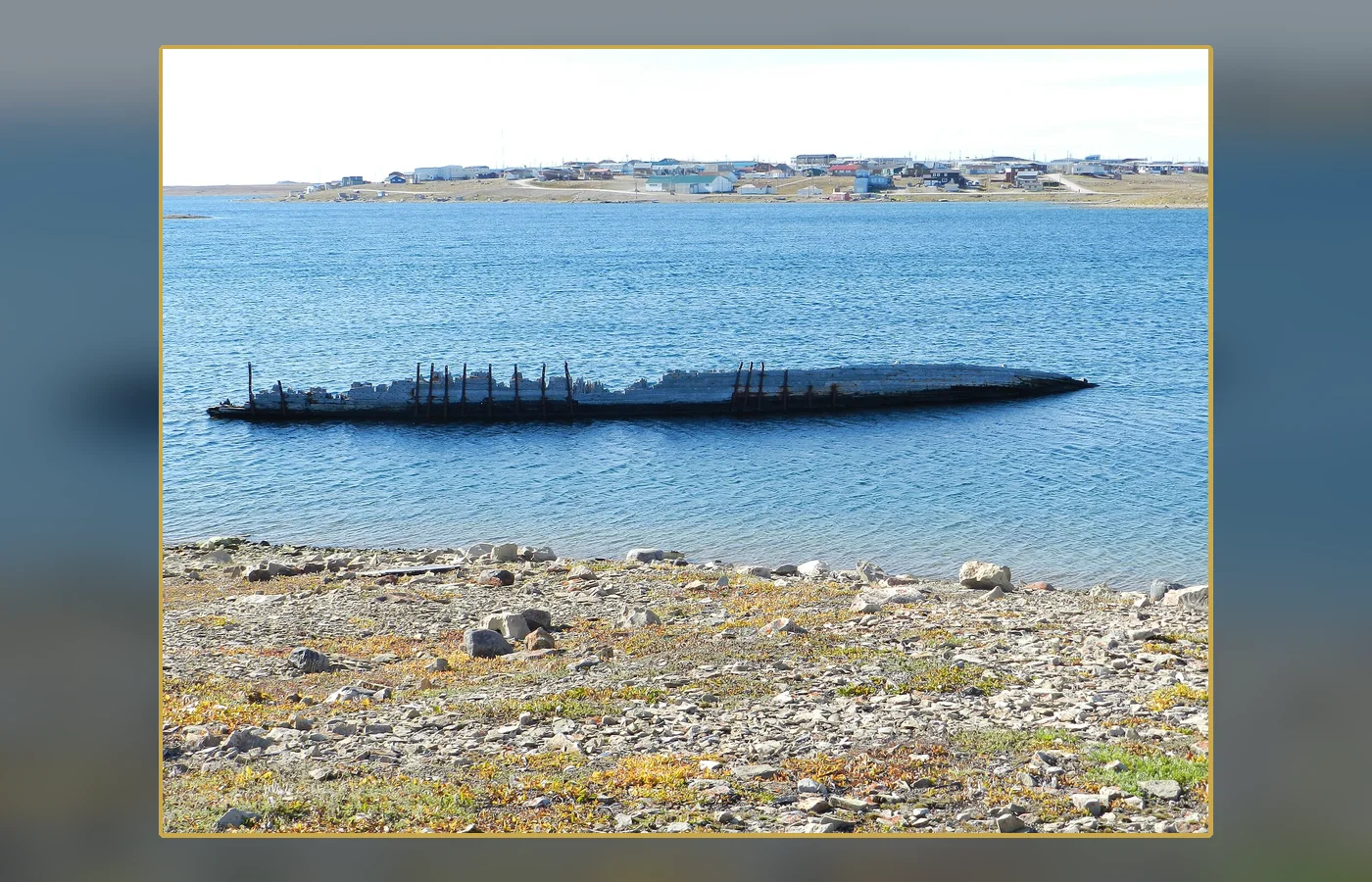
Repeated freezing, impact, corrosion, and pressure from sea ice could eventually crush or open the hull. Baychimo may have sunk in deep or poorly surveyed water, been destroyed against shore, or settled beneath ice and sediment. Searches have not produced an authenticated wreck.
The mystery is therefore not whether the ship became supernatural. It is how long it remained afloat, which reported encounters belonged to Baychimo, and where the physical remains lie. The Arctic did not make the ship immortal; it made the final evidence difficult to find.
What the record supports—and what it does not
Baychimo's abandonment and several later boardings are documented. Every claimed sighting through 1969 is not equally verified, and the ship is almost certainly not still drifting today. Its wreck has not been authenticated.
Evidence ledger
- ICE — Trapped in October 1931: The crew expected the vessel had sunk after a storm.
- RETURN — Hunters found it afloat: Cornwell recovered cargo and abandoned the damaged hull.
- BOARDINGS — People reached it more than once: The ship was a salvage problem, not an apparition.
- OBJECTS — Artifacts reached a museum: Their chain of custody was reconstructed in 2015.
- SIGHTINGS — Evidence weakens over time: Later reports are not equally documented.
- FATE — Presumed sunk, wreck unconfirmed: Ice and corrosion offer ordinary mechanisms.
How this reconstruction was checked
This reconstruction begins with University of Alaska Museum of the North — Ghost Ship, UAF Geophysical Institute — Ghost ship artifacts emerge. Those records establish the dates, people, objects, and institutional findings used above. Later retellings are useful only when they can be traced back to that record. A repeated anecdote is not treated as independent confirmation simply because it appears on several websites.
The unresolved question is kept separate from the documented mechanism. In this case, the evidence supports the following boundary: Baychimo's abandonment and several later boardings are documented. Every claimed sighting through 1969 is not equally verified, and the ship is almost certainly not still drifting today. Its wreck has not been authenticated. The purpose of that boundary is not to flatten the mystery. It prevents a vivid but unsupported detail from displacing the evidence that makes the story worth reading.
Every visual is either a historical photograph, document, map, object, site image, or an explicitly labeled contextual comparison. Captions identify the source and license. No AI reconstruction and no text-poster image is presented as historical evidence; the featured image is derived directly from the first archival visual without a headline overlay.
Why this story matters
The article pairs a strong ghost-ship hook with museum-grade evidence. Recovered objects provide a satisfying mid-article reveal and a natural bridge to photographs and archives.
Continue in the archive
- The Ghost Blimp L-8: Two Men Vanished From a Navy Airship
- Mary Celeste: What the Abandoned Ship Actually Left Behind
- The Flannan Isles Lighthouse Mystery
Sources and further reading
- University of Alaska Museum of the North — Ghost Ship
- UAF Geophysical Institute — Ghost ship artifacts emerge
Editorial note: Lore & Archive separates contemporary records, later institutional synthesis, and unresolved inference. When sources disagree or the archive is incomplete, the uncertainty is stated rather than converted into a dramatic fact.