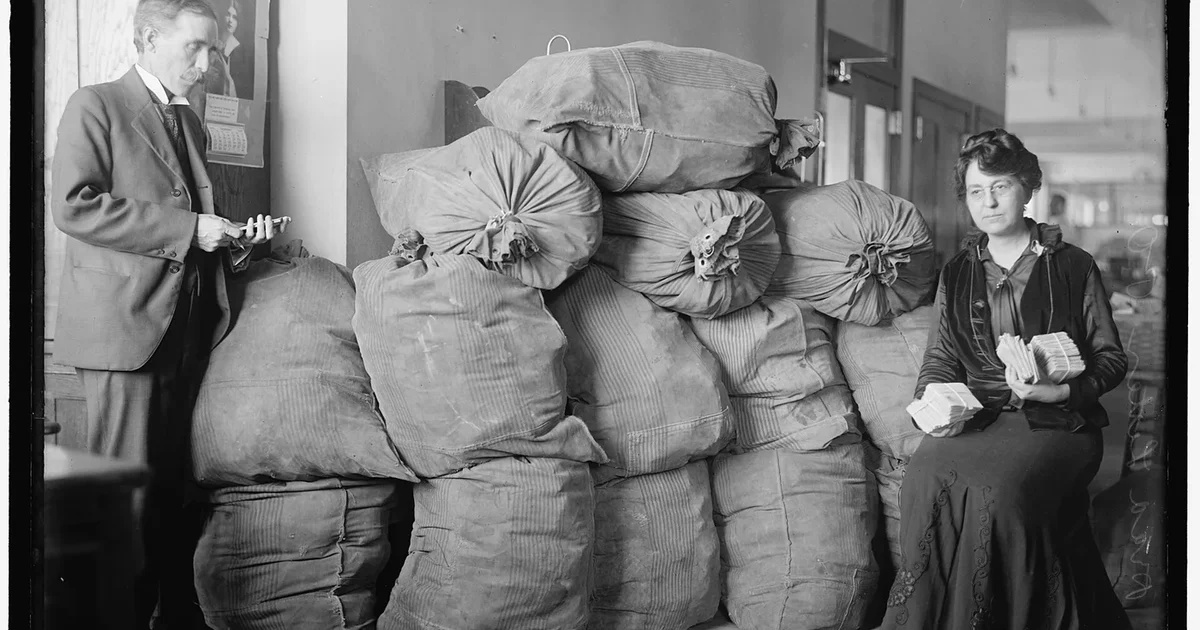
The office sat at the boundary between privacy and public service. Its clerks read enough to identify a sender or destination, then decided what could be returned, auctioned, archived—or destroyed.
Archive record
- Federal dead-letter function formalized: eighteenth century
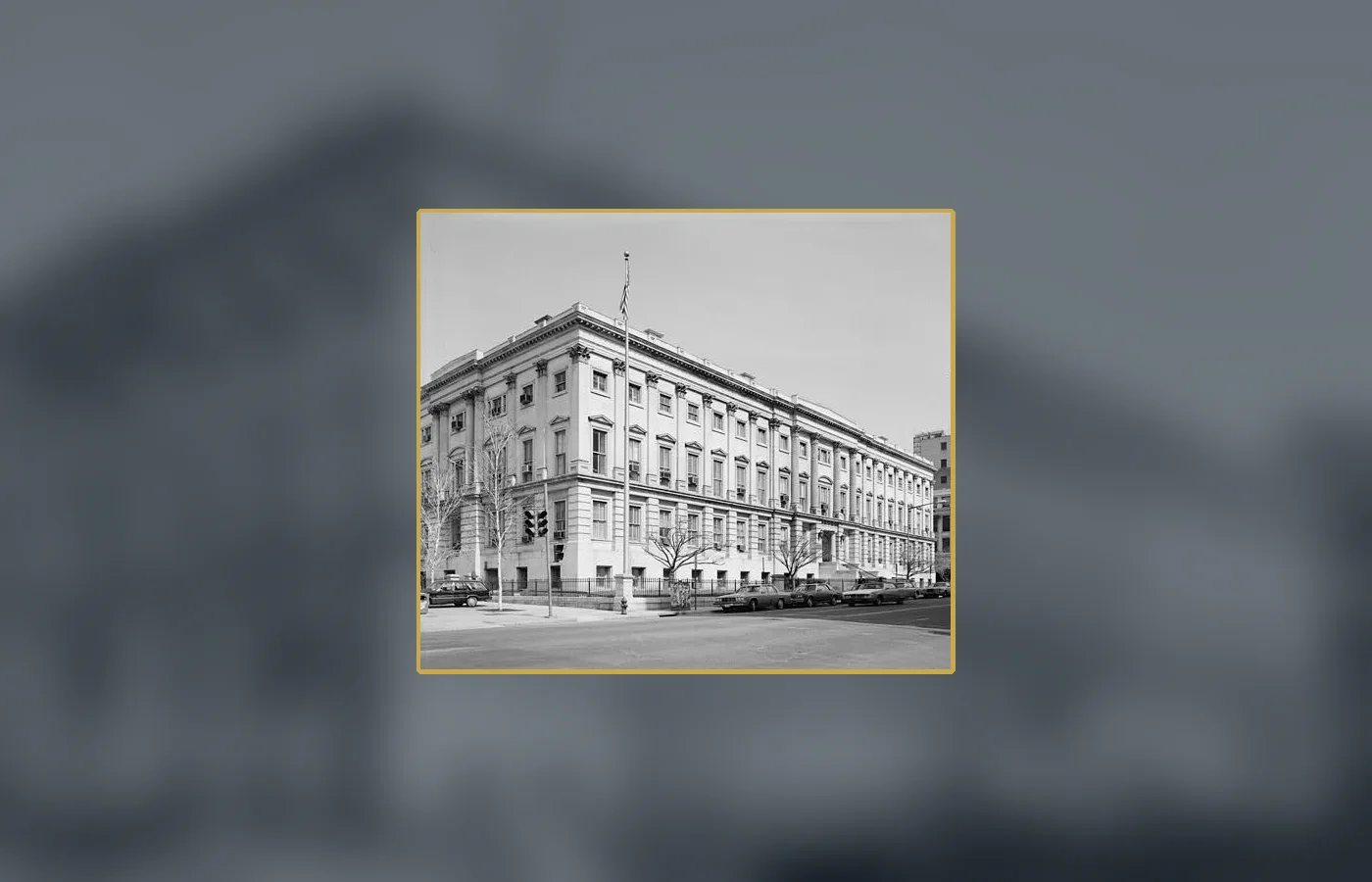
- Major Washington office: General Post Office Building
- Purpose: resolve mail lacking a deliverable address or return path
- Modern successor: Mail Recovery Center
The place letters went after every route failed
A letter could become dead because handwriting was unreadable, an address no longer existed, postage was missing, a recipient moved, or the envelope carried no return address. Ordinary post offices attempted delivery first. The Dead Letter Office received what remained after the system exhausted its normal clues.
Clerks were authorized to open certain items, not to satisfy curiosity, but to search for an address, identity, or valuable enclosure. That authority created a controlled exception to postal privacy. The aim was to restore a communication to its path or return property to its owner.
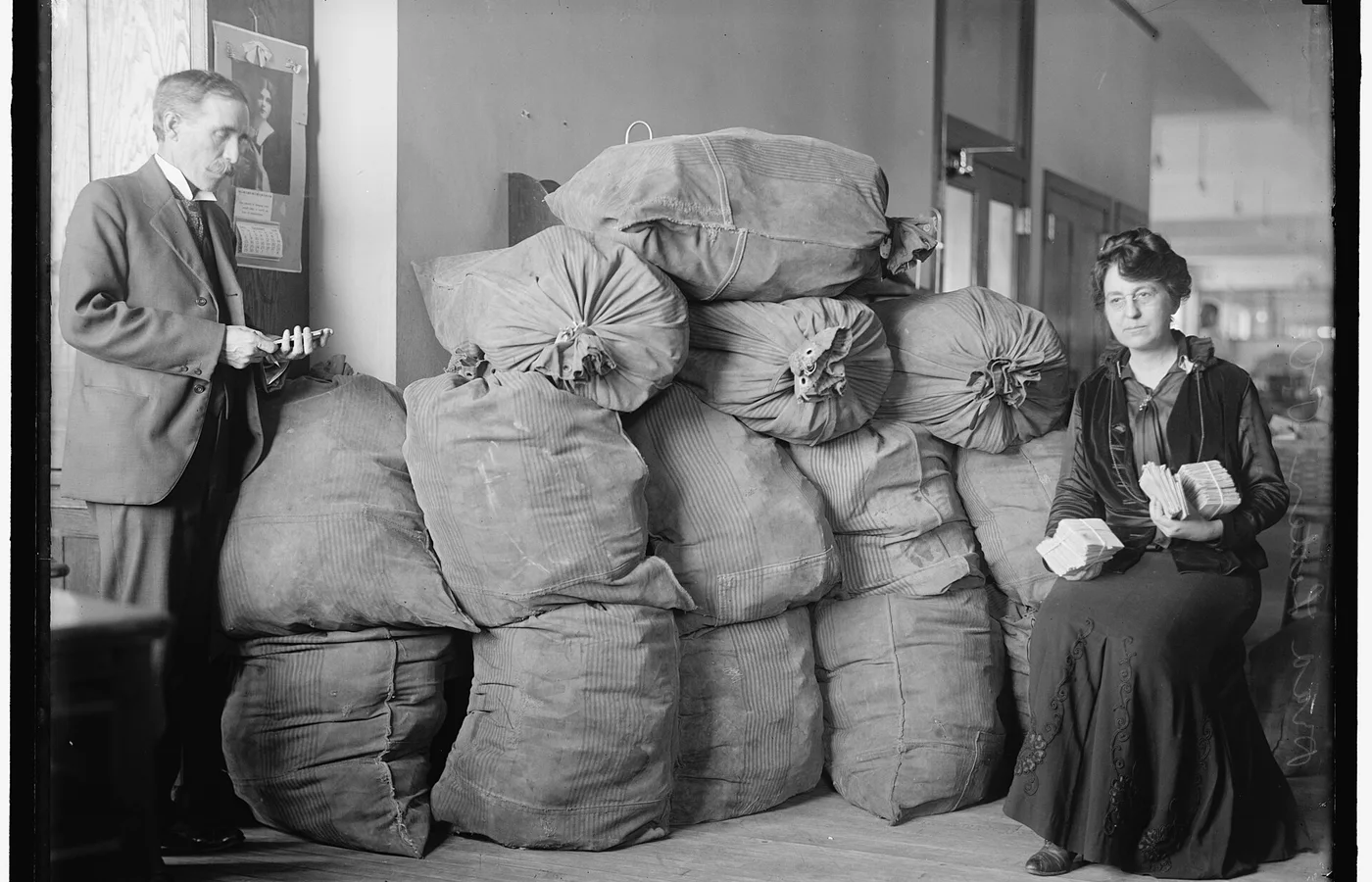
Address detectives at long tables
Experienced clerks learned geography, names, businesses, and recurring errors. They decoded phonetic spellings, landmarks, partial addresses, and envelopes illustrated with rebuses. Newspapers celebrated examples delivered despite descriptions such as a picture, a nickname, or a town remembered only approximately.
The celebrated puzzles were the visible edge of repetitive labor. Huge volumes of mail had to be sorted, logged, inspected, and routed under rules. Women formed a significant part of the clerical workforce, and their expertise helped turn apparently useless fragments into deliverable information.
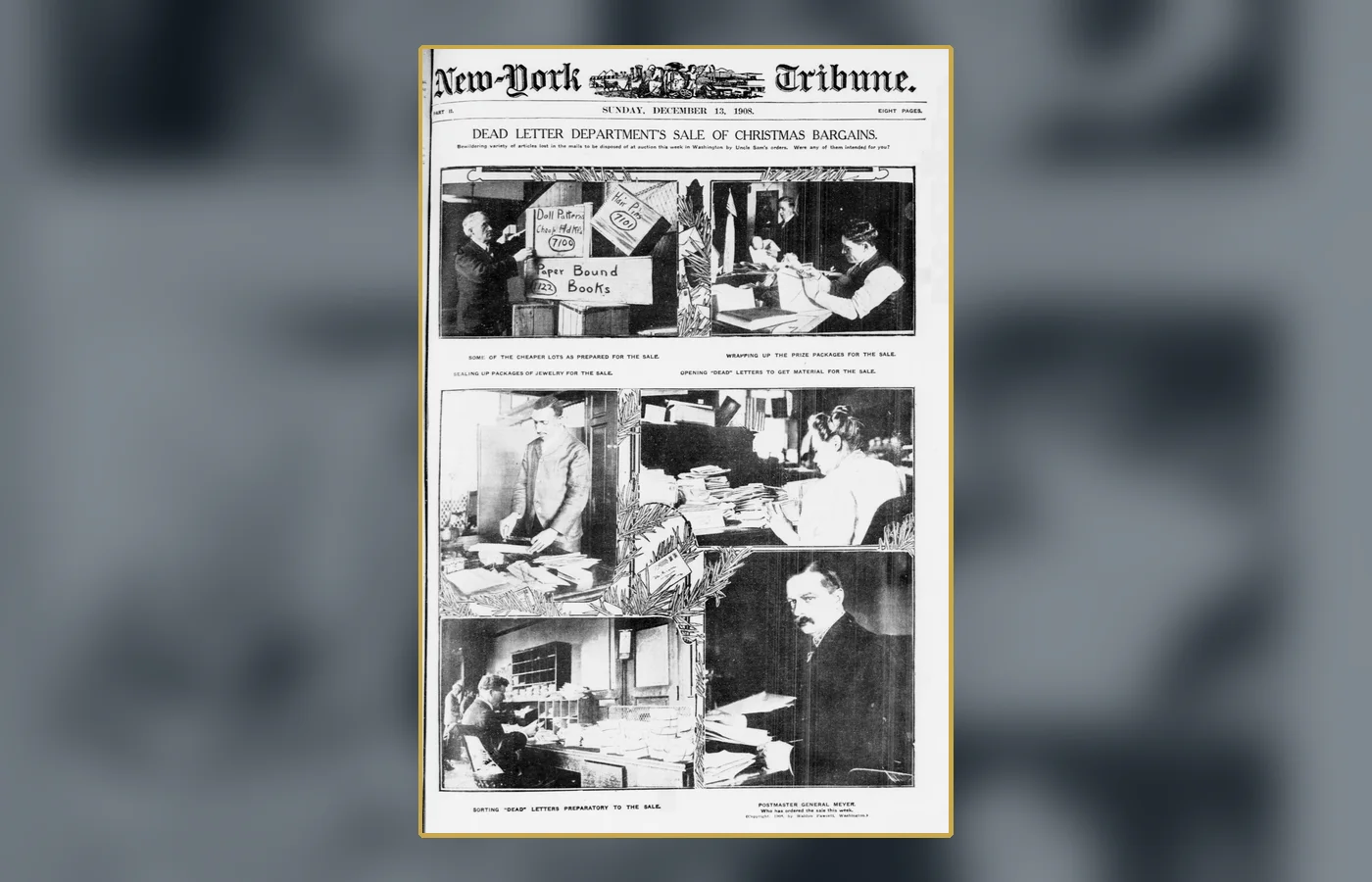
What people trusted to an envelope
Undeliverable mail contained coins, banknotes, jewelry, deeds, photographs, medicines, seeds, insects, food, and objects dangerous or impossible to preserve. Records of curiosities made the office a public attraction, and exhibitions displayed items whose owners could not be found.
The spectacle can hide the human stakes. A returned ring or payment could matter far more than the stamp. Staff had to distinguish sentimental and financial value, trace ownership, and handle items whose stories were not theirs to tell. The office was an archive produced by failed logistics.
Opening mail did not mean keeping everything
If an address was discovered, an item could be forwarded or returned, sometimes after postage or fees were collected. Unclaimed merchandise might be sold at auction after the required period. Valueless paper could be destroyed, while unusual objects entered postal collections.
Procedures changed with postal law and technology. The name 'Dead Letter Office' eventually gave way to less theatrical terms, and today's U.S. Postal Service operates a Mail Recovery Center. Automated address systems resolve errors that once required a clerk's eye, but packages without usable identity still reach a final recovery process.
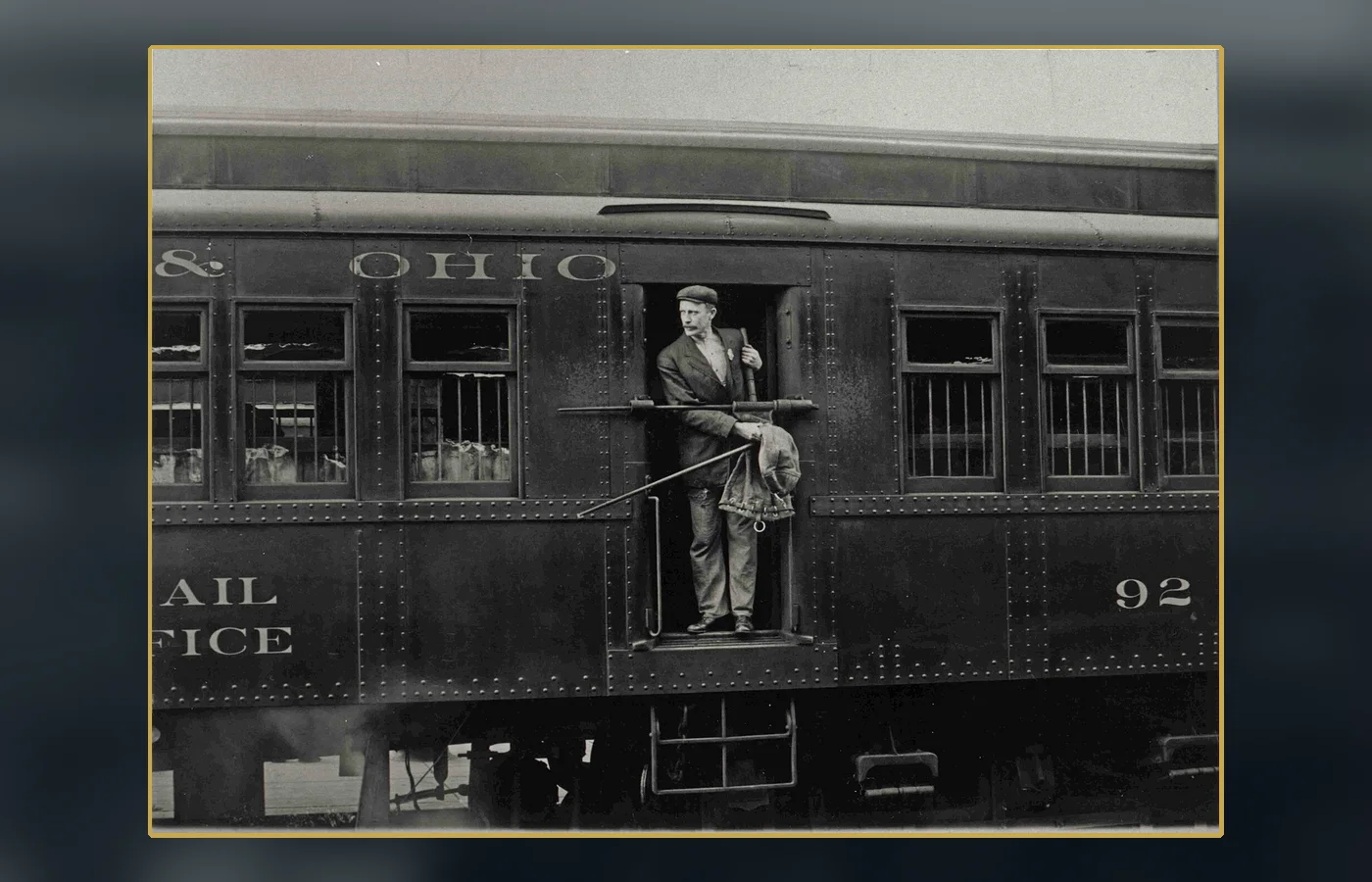
Why the dead letters are still alive
Dead letters preserve the mismatch between how people imagine an address and how a network reads one. A sender may know a person by face, occupation, relationship, or local reputation; a postal system needs standardized information. Clerks translated between those worlds.
The result is not simply a cabinet of oddities. It is a history of migration, literacy, commerce, privacy, and longing. Every unsolved envelope represents a message whose intention outlived its route—even when no clerk could discover where it belonged.
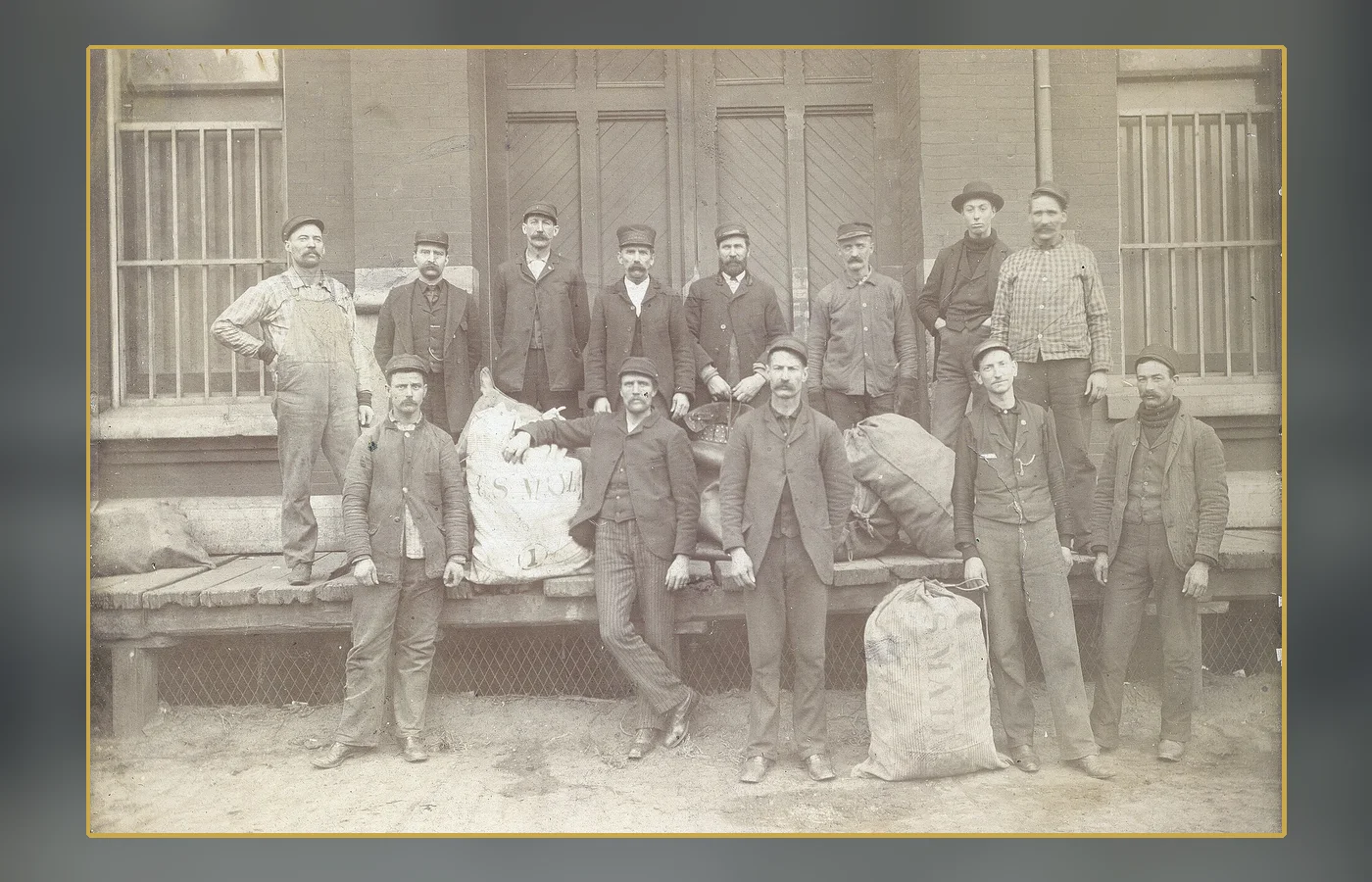
What the record supports—and what it does not
The Dead Letter Office was not a free-for-all where postal workers casually read private correspondence. Opening was a regulated recovery step used when normal delivery and return had failed. Most work involved tracing identity, routing property, and following disposal rules.
Evidence ledger
- FAILURE — No usable route: Mail arrived after local offices could neither deliver nor return it.
- AUTHORITY — Clerks could open eligible pieces: They searched for identifying information or valuables under rules.
- SKILL — Addresses became puzzles: Names, landmarks, drawings, and phonetic spellings could supply clues.
- CONTENTS — Cash, rings, documents—and stranger things: Undeliverable mail mirrored what people entrusted to the post.
- OUTCOME — Return, auction, archive, or destruction: Not every item could be reunited with an owner.
- TODAY — Mail Recovery Center: The recovery function survives under a modern name.
How this reconstruction was checked
This reconstruction begins with Smithsonian National Postal Museum — Dead Letter Office, USPS — Mail Recovery Center guidelines. Those records establish the dates, people, objects, and institutional findings used above. Later retellings are useful only when they can be traced back to that record. A repeated anecdote is not treated as independent confirmation simply because it appears on several websites.
The unresolved question is kept separate from the documented mechanism. In this case, the evidence supports the following boundary: The Dead Letter Office was not a free-for-all where postal workers casually read private correspondence. Opening was a regulated recovery step used when normal delivery and return had failed. Most work involved tracing identity, routing property, and following disposal rules. The purpose of that boundary is not to flatten the mystery. It prevents a vivid but unsupported detail from displacing the evidence that makes the story worth reading.
Every visual is either a historical photograph, document, map, object, site image, or an explicitly labeled contextual comparison. Captions identify the source and license. No AI reconstruction and no text-poster image is presented as historical evidence; the featured image is derived directly from the first archival visual without a headline overlay.
Why this story matters
The institution reveals the invisible labor behind a dependable network. It also gives the page a strong emotional bridge from strange objects to ordinary people trying—and sometimes failing—to reach one another.
Continue in the archive
- Hedy Lamarr's Secret Communication Patent—and the Wi-Fi Myth
- The Great Moon Hoax
- The D. B. Cooper Evidence File
Sources and further reading
Editorial note: Lore & Archive separates contemporary records, later institutional synthesis, and unresolved inference. When sources disagree or the archive is incomplete, the uncertainty is stated rather than converted into a dramatic fact.