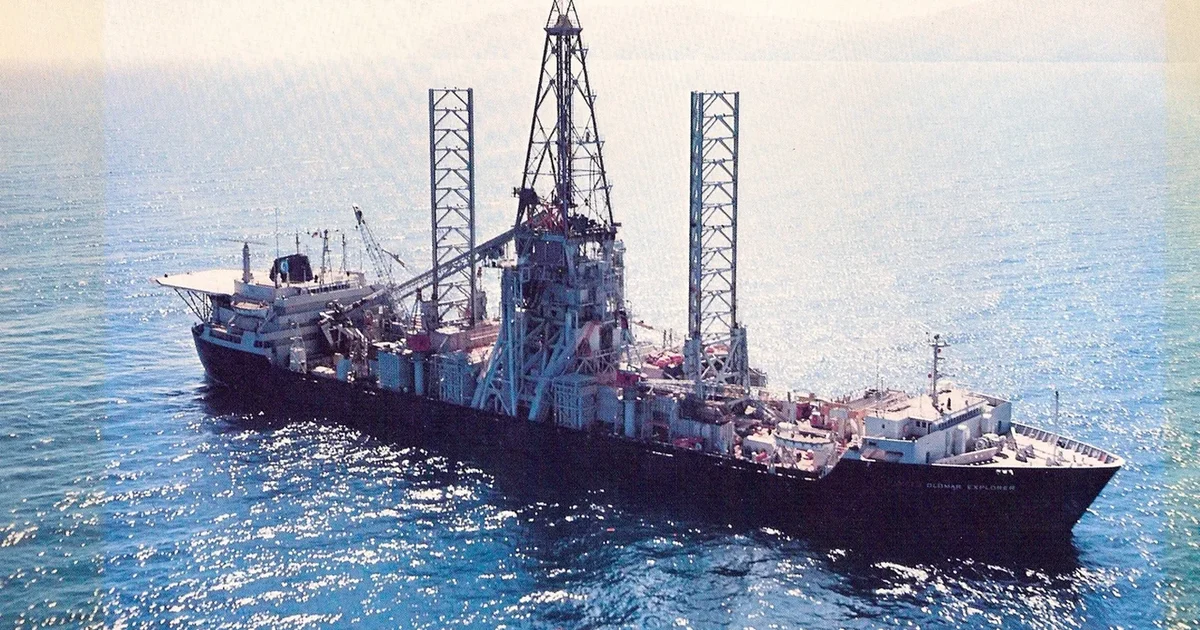
The operation required a cover story large enough to explain a purpose-built ship, a hidden capture vehicle, and years of industrial activity—all while Soviet vessels watched from nearby.
Archive record
- Target: Soviet submarine K-129
- Loss: March 1968
- Recovery ship: Hughes Glomar Explorer
- Mission at sea: summer 1974
A submarine disappears in the Pacific
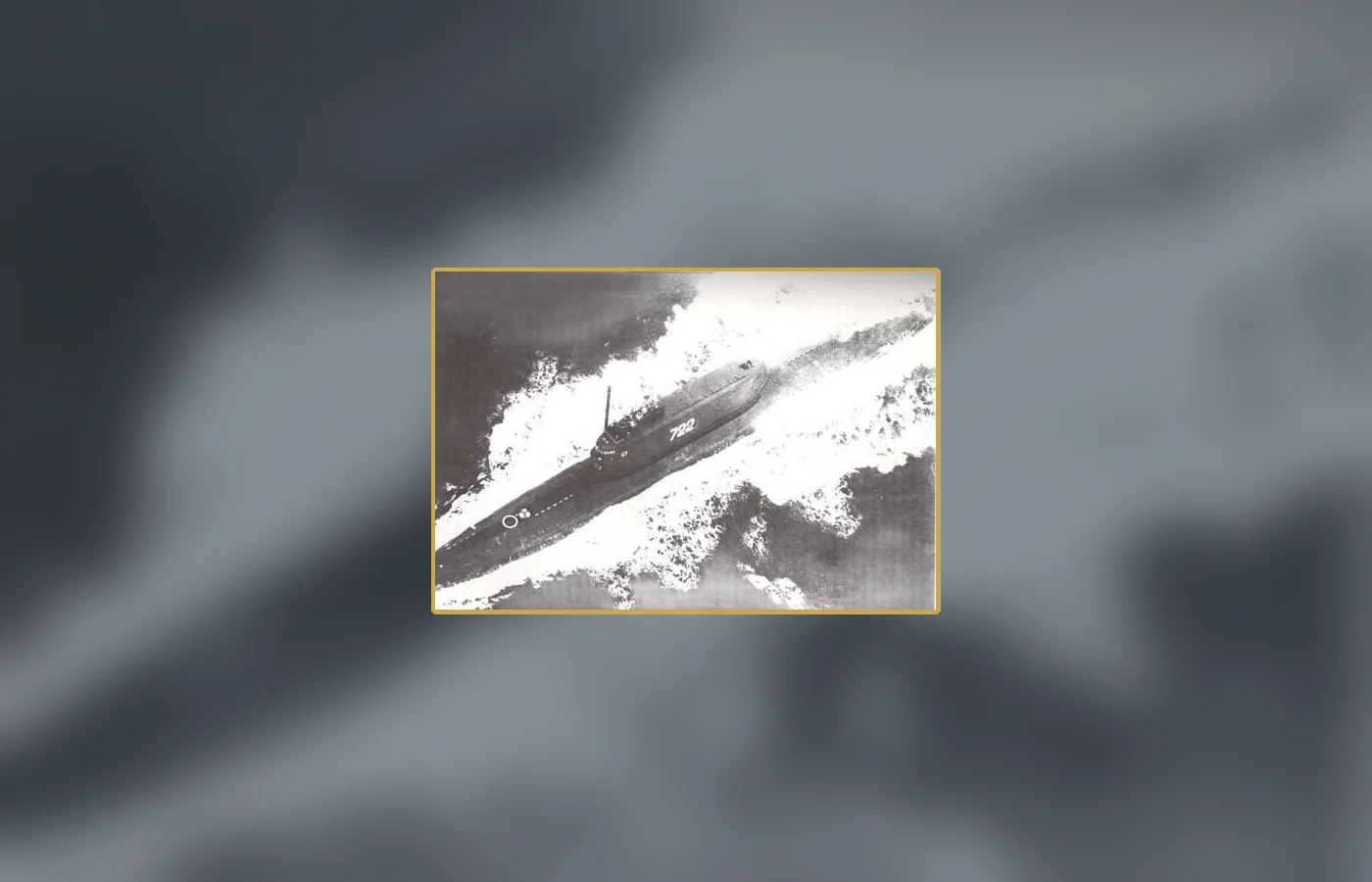
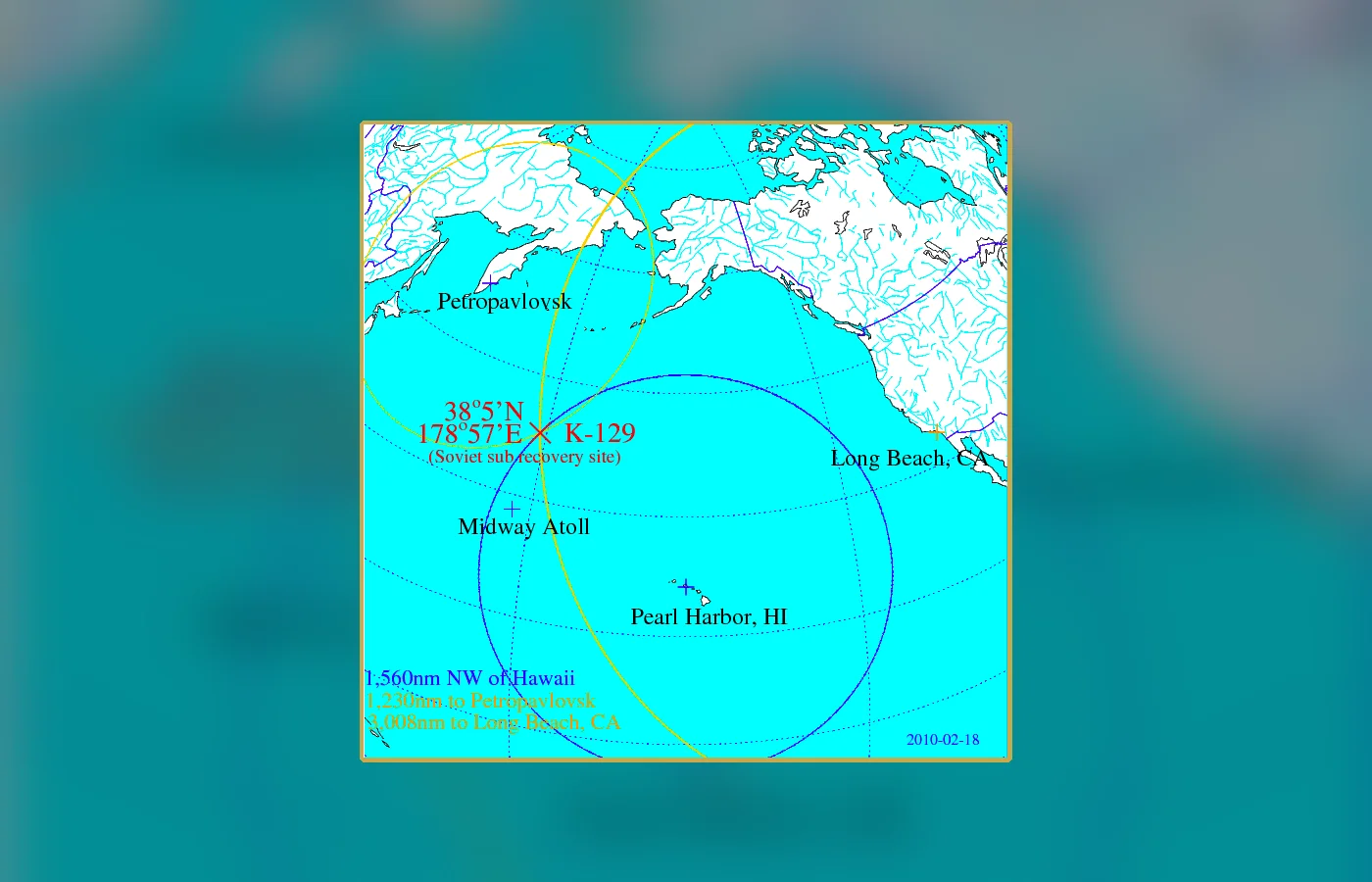
In March 1968, the Soviet ballistic-missile submarine K-129 failed to return from patrol. The Soviet search did not locate it. American acoustic data helped narrow the wreck site to a remote area northwest of Hawaii, nearly three miles beneath the surface. The submarine carried missiles, nuclear warheads, cryptographic equipment, and intelligence value difficult to overstate.
The CIA proposed an operation as audacious as the depth: construct a ship over the wreck, lower a massive capture vehicle to the seabed, grasp the submarine, and pull it into a concealed well inside the hull. Nothing on that scale had been attempted in comparable ocean conditions.
Howard Hughes and the mining story
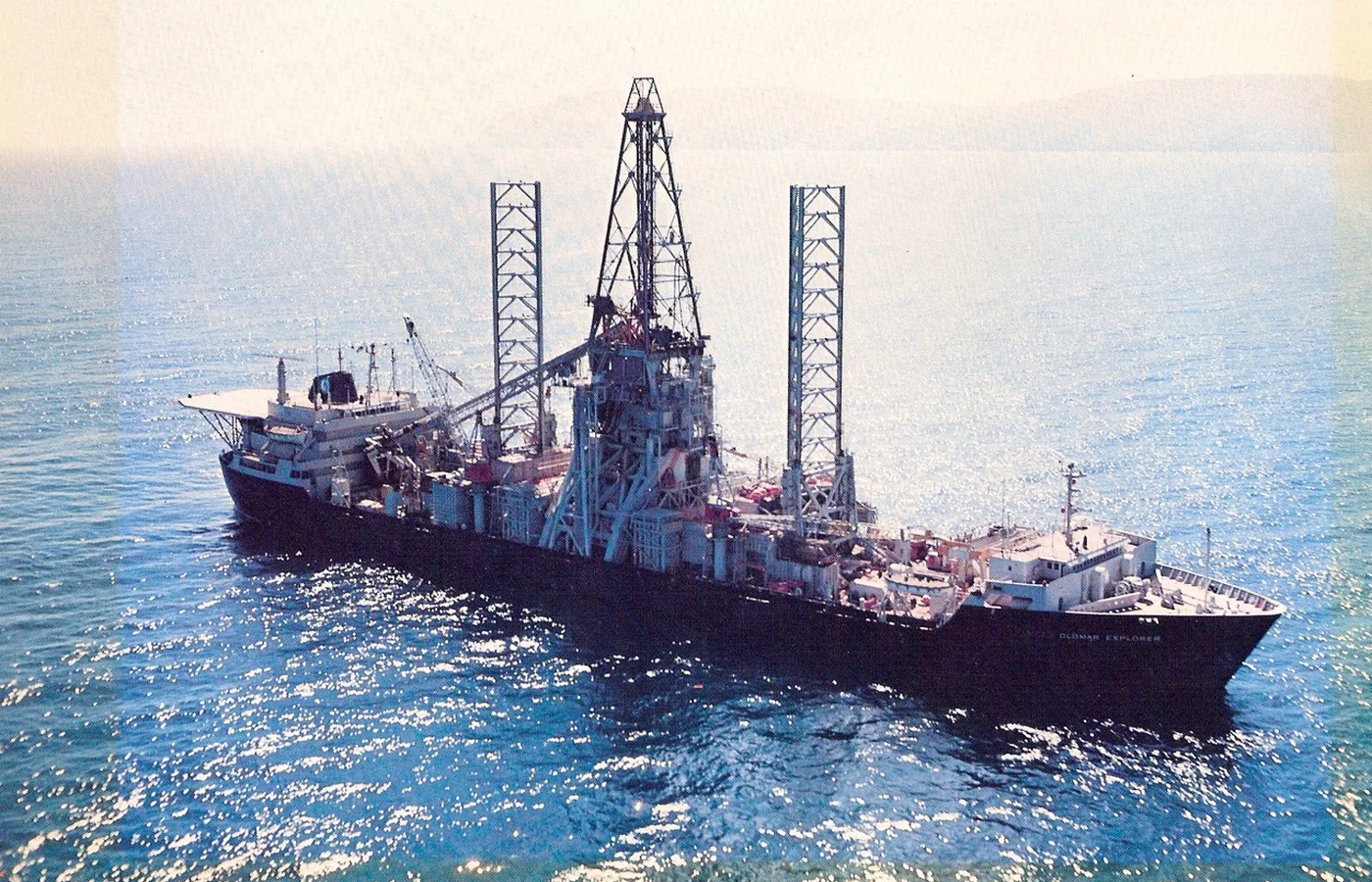
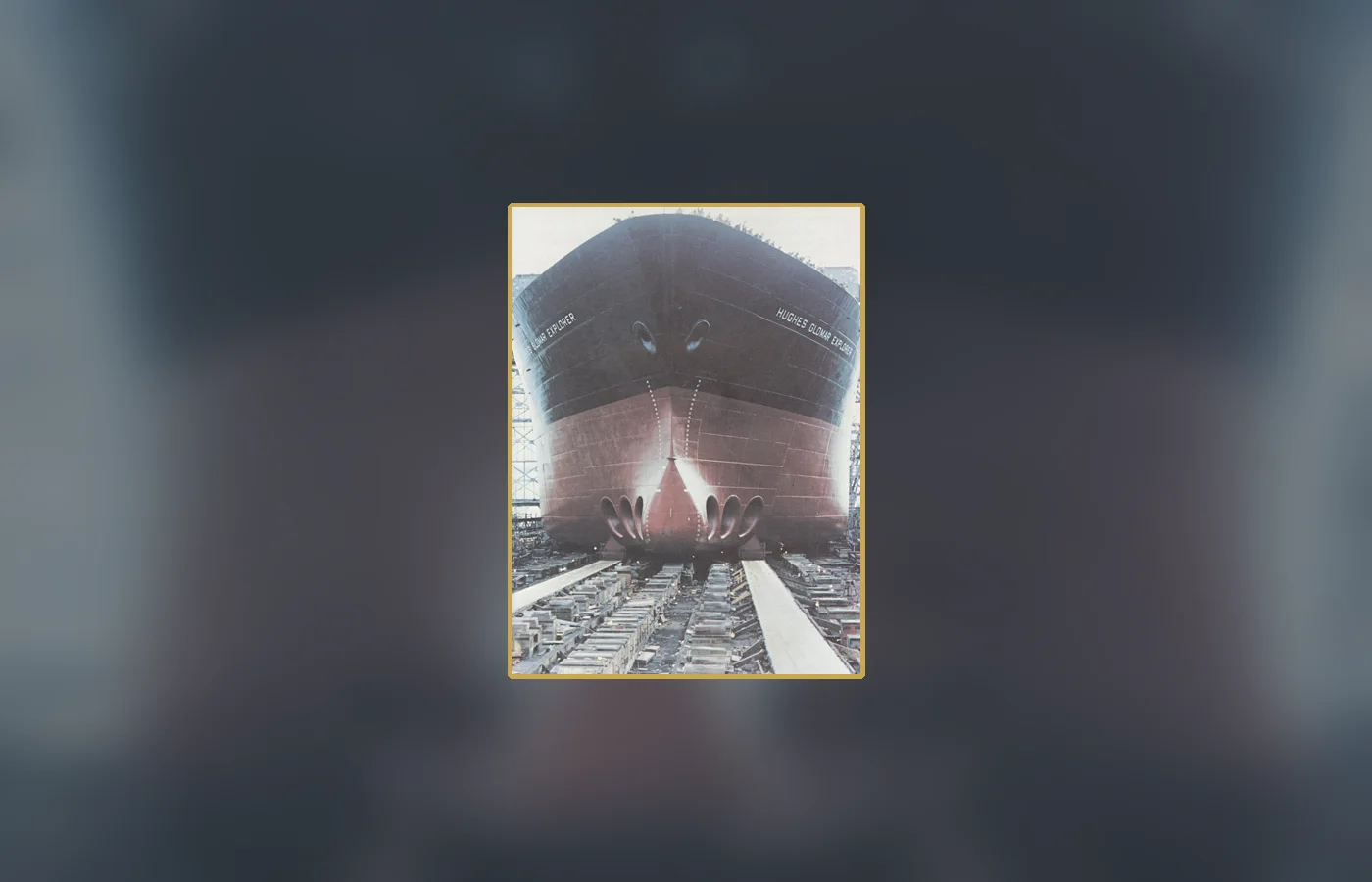
A recovery vessel could not simply loiter over the site. The cover explained Hughes Glomar Explorer as a commercial project backed by billionaire Howard Hughes to mine manganese nodules from the deep ocean. Hughes's reputation for ambitious technology made the story credible, and genuine interest in seabed mining gave it technical texture.
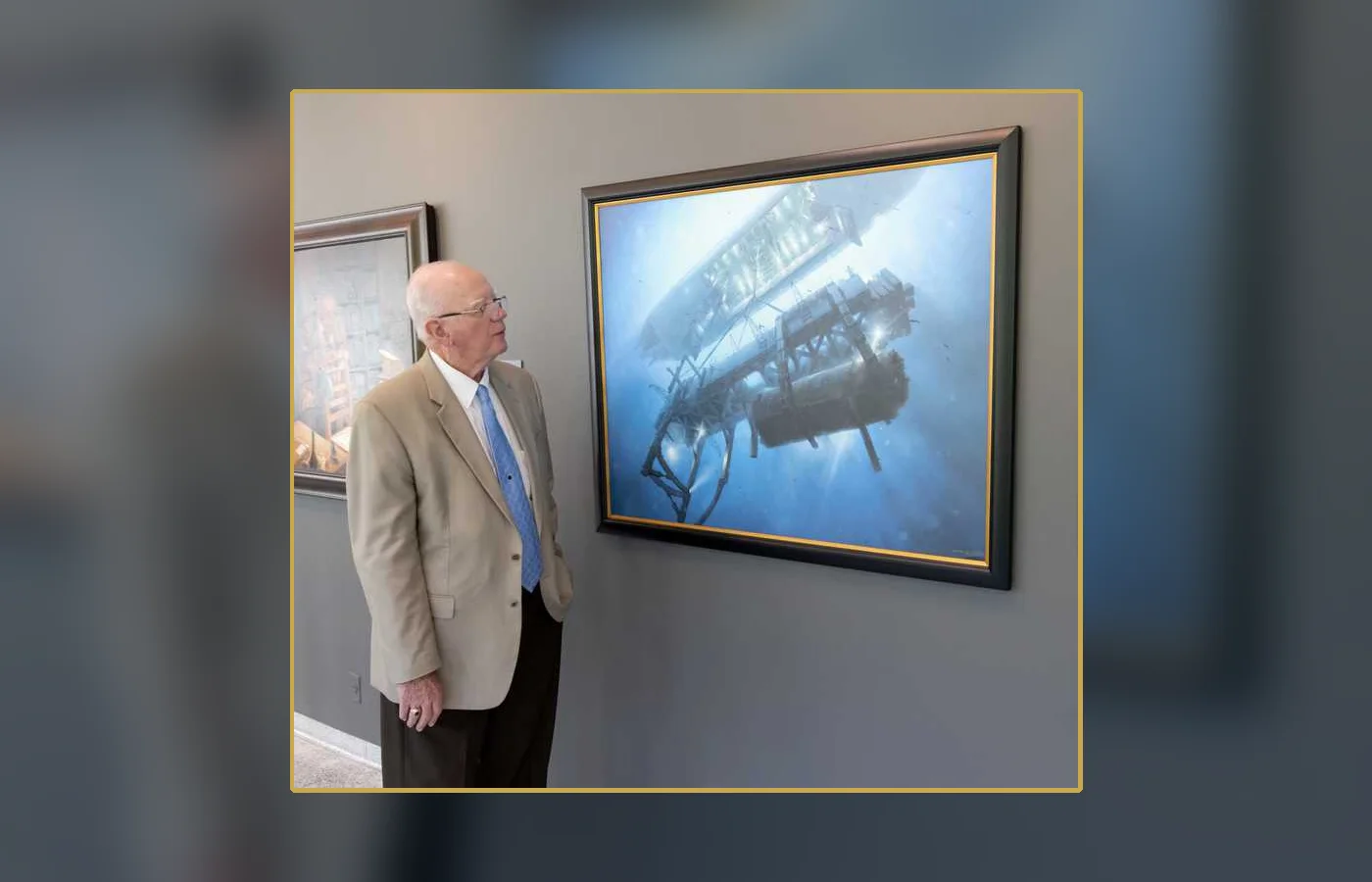
The ship was built with a central moon pool so the captured object could be brought inside without appearing beside the hull. A submersible barge delivered the capture vehicle from below. The industrial choreography was not decoration around the secret; it was the secret's protective structure.
The lift—and the break
In the summer of 1974, Glomar Explorer positioned over K-129 and lowered miles of pipe carrying the capture mechanism. Soviet ships observed portions of the operation but did not intervene. The claw reached the submarine and began lifting it from the bottom.
During ascent, a large section of the wreck broke away and fell back to the seabed. The recovered portion was smaller than planners hoped. Public accounts and released CIA histories confirm that some material and the remains of six Soviet sailors were brought aboard; the exact intelligence yield remains partly classified or disputed.
A burial recorded for an adversary
The American crew conducted a burial at sea for the recovered sailors with military honors. A film of the ceremony was later given to Russia. It is one of the operation's most human records: intelligence personnel handling enemy dead with a ritual neither government expected the public to see.
That record also anchors the operation against exaggeration. Azorian was not a total recovery, and claims that every codebook, warhead, or missile was captured exceed the released evidence. Engineering achievement and incomplete results can both be true.
How 'neither confirm nor deny' entered public language
After a burglary exposed documents and journalists investigated, the story became public in 1975. In response to requests for records, the CIA refused to confirm or deny their existence. The formula became known as a 'Glomar response' and remains part of freedom-of-information practice.
Project Azorian succeeded most clearly as a feat of covert engineering. Its ultimate intelligence payoff is harder to score because the target fractured and records remain restricted. The operation's legacy is therefore split: a machine did something close to impossible, while secrecy prevents a neat public accounting of what it gained.
What the record supports—and what it does not
Azorian did not lift the entire K-129 intact, and the released record does not support every claim about captured codebooks or warheads. It recovered only part of the submarine. The extraordinary engineering is documented; the exact intelligence haul remains limited by classification.
Evidence ledger
- TARGET — K-129 at extreme depth: American data located the wreck nearly three miles down.
- COVER — Deep-sea mining: Howard Hughes and manganese nodules explained the ship's unusual design.
- MACHINE — A claw beneath a moon pool: The capture vehicle could bring wreckage inside unseen.
- FAILURE — Part of the submarine broke away: The operation recovered only a section of K-129.
- RECORD — Six sailors buried at sea: A filmed ceremony was later shared with Russia.
- LEGACY — The Glomar response: The CIA's refusal to confirm or deny became a legal term.
How this reconstruction was checked
This reconstruction begins with CIA — The Exposing of Project Azorian, CIA Reading Room — Project Azorian. Those records establish the dates, people, objects, and institutional findings used above. Later retellings are useful only when they can be traced back to that record. A repeated anecdote is not treated as independent confirmation simply because it appears on several websites.
The unresolved question is kept separate from the documented mechanism. In this case, the evidence supports the following boundary: Azorian did not lift the entire K-129 intact, and the released record does not support every claim about captured codebooks or warheads. It recovered only part of the submarine. The extraordinary engineering is documented; the exact intelligence haul remains limited by classification. The purpose of that boundary is not to flatten the mystery. It prevents a vivid but unsupported detail from displacing the evidence that makes the story worth reading.
Every visual is either a historical photograph, document, map, object, site image, or an explicitly labeled contextual comparison. Captions identify the source and license. No AI reconstruction and no text-poster image is presented as historical evidence; the featured image is derived directly from the first archival visual without a headline overlay.
Why this story matters
The mission shows how cover stories work at industrial scale: they must explain buildings, payrolls, ships, and observable behavior. It also created the enduring 'Glomar response' to records requests.
Continue in the archive
- The Philadelphia Experiment: What the Navy's Records Say About the Invisible Ship
- The Ghost Army: How Artists Made an American Division Appear From Nothing
- Operation Mincemeat
Sources and further reading
Editorial note: Lore & Archive separates contemporary records, later institutional synthesis, and unresolved inference. When sources disagree or the archive is incomplete, the uncertainty is stated rather than converted into a dramatic fact.