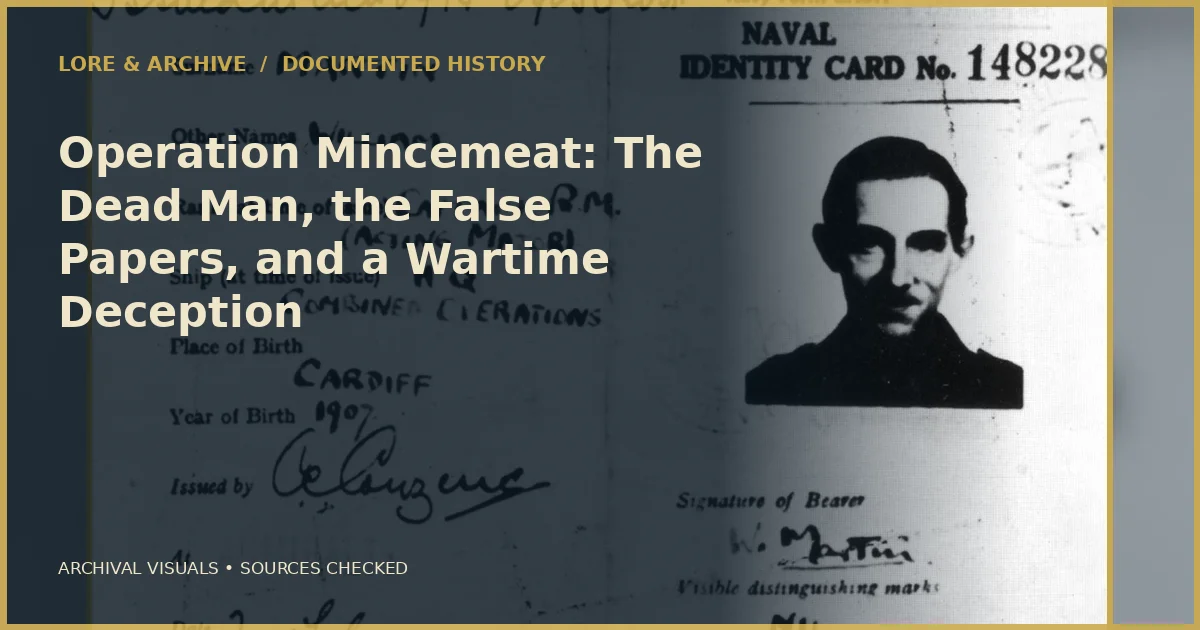
The operation worked because the documents were designed to be doubted, tested, and quietly copied. Its most important prop was not the briefcase, but a believable human life assembled from pocket litter.
Archive record
- Operation date: April 1943
- False identity: Major William Martin, Royal Marines
- True identity: Glyndwr Michael
- Purpose: help conceal Allied plans to invade Sicily
A strategic problem shaped like an obvious island
By early 1943, Allied planners intended to invade Sicily. Geography made the target difficult to disguise: it stood directly beneath the route from North Africa into southern Europe. A useful deception needed to suggest that Sicily was merely a cover for attacks elsewhere, especially Greece and Sardinia, without looking like an obvious attempt to plant information.
British planners developed a scheme in which a courier carrying sensitive correspondence would appear to have died in an aircraft accident at sea. Spain was officially neutral but contained officials and agents sympathetic to Germany. If the body washed ashore with a chained briefcase, Spanish handling might allow the documents to reach German intelligence while Britain publicly demanded their return.
Creating a person who had never lived
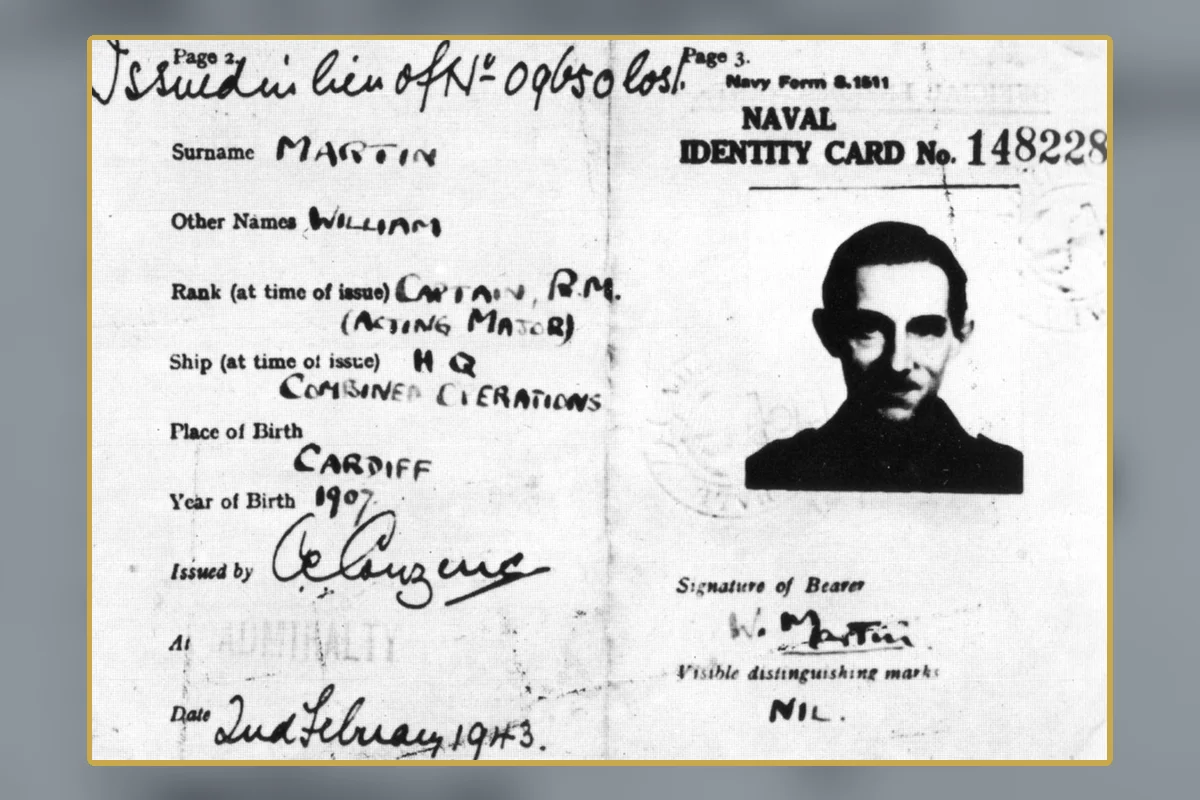
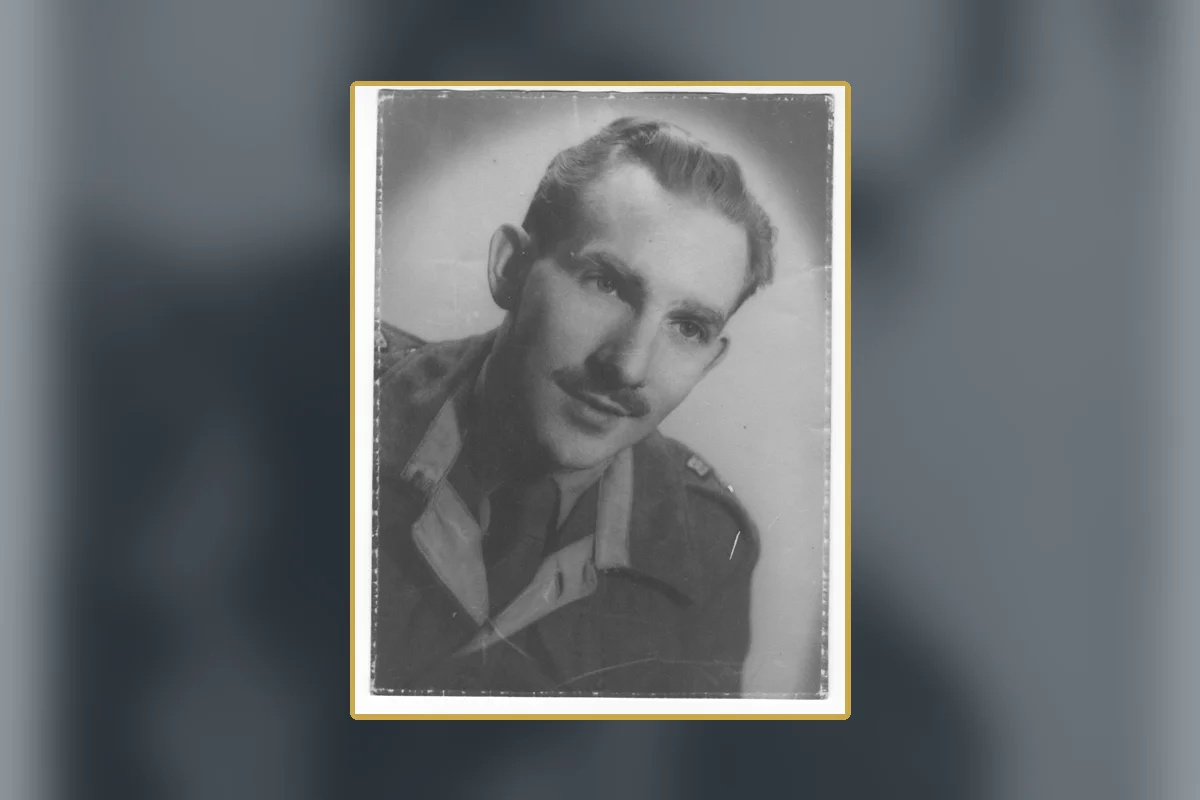
The body available to the operation was Glyndwr Michael, a Welshman who had died in London. Planners transformed him on paper into Major William Martin of the Royal Marines. Identity cards, receipts, keys, tickets, cigarettes, and personal correspondence created the residue of an ordinary life. A photograph and letters from a fictional fiancée named Pam supplied emotion and imperfection.
This 'wallet litter' mattered because an intelligence service would examine more than the headline document. Dates had to align; wear had to look natural; the invented officer needed bills, relationships, and minor problems. Credibility emerged from mundane details that were not themselves strategically valuable. The lie was constructed to survive skeptical handling.
The letter inside the briefcase
The key message was not written as a formal invasion plan. Private letters between senior officers hinted that Greece and Sardinia were the real objectives and referred indirectly to Sicily as a deception. The language gave German readers the satisfaction of extracting a secret rather than being handed one. A second document added texture to the proposed operations.
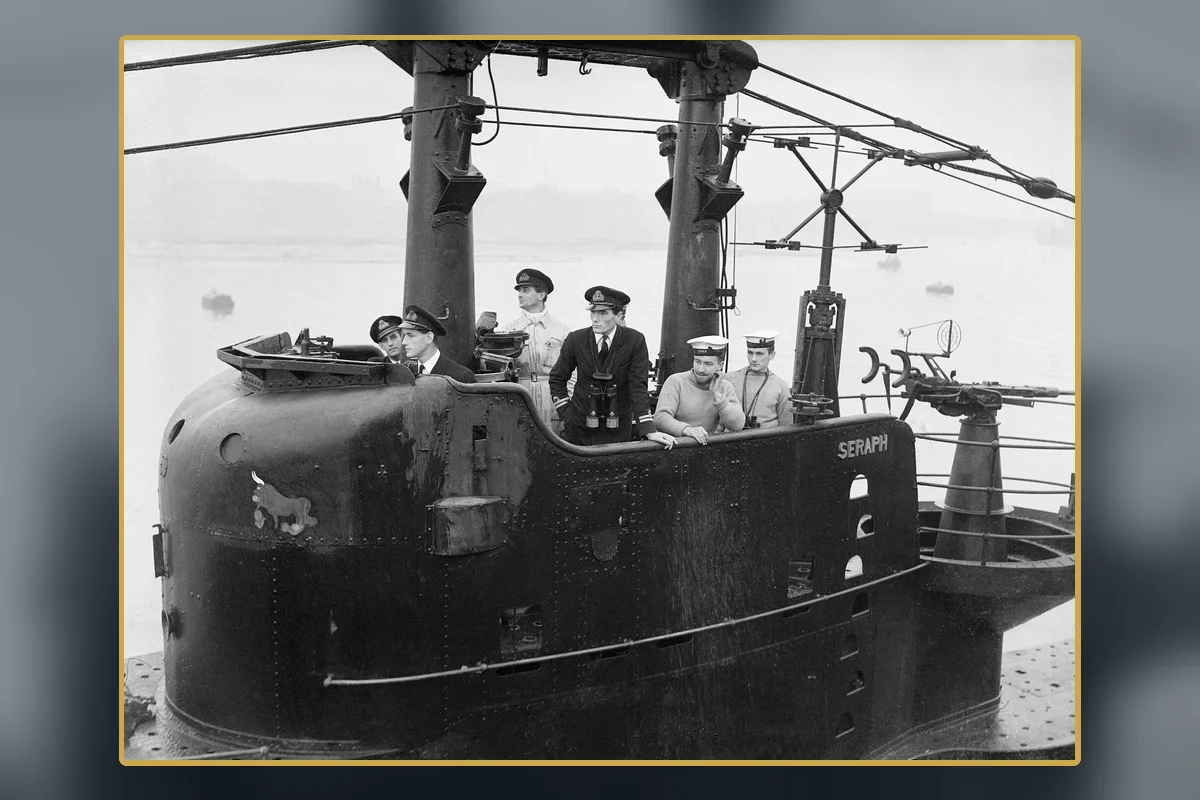
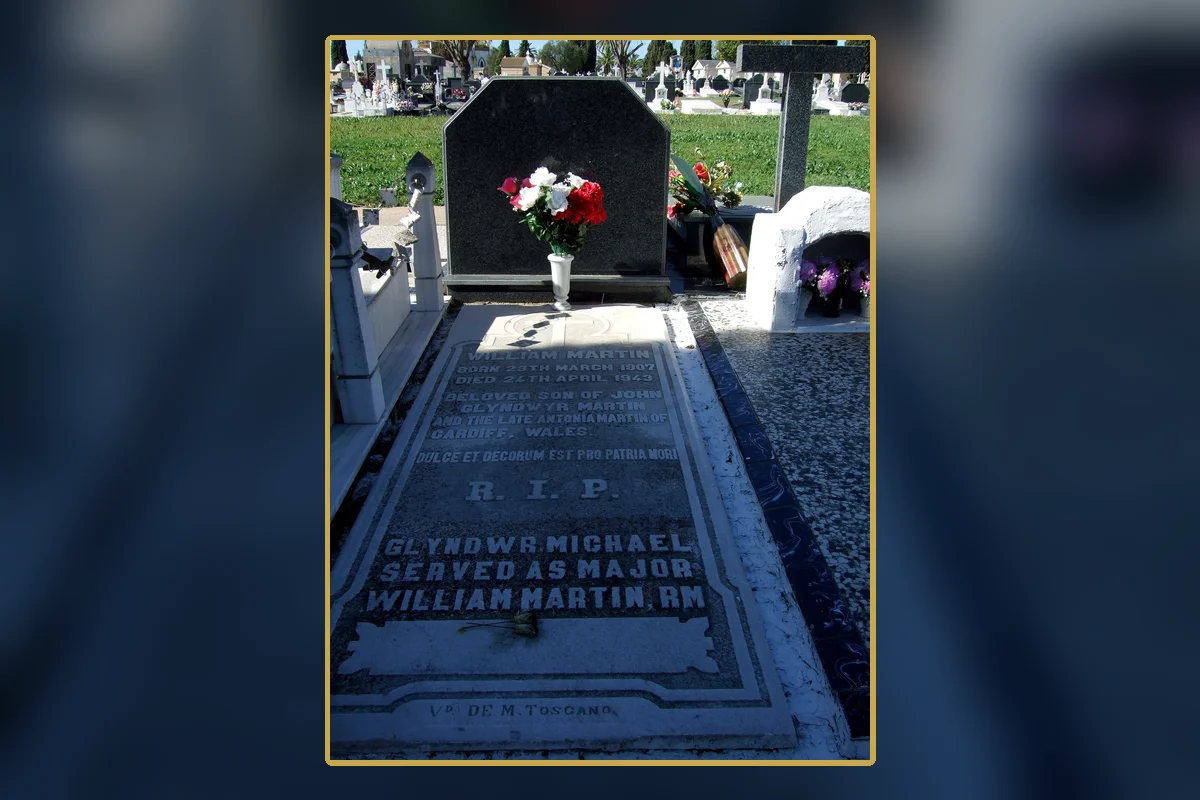
HMS Seraph released the body off the coast of Spain on April 30, 1943. It was found near Huelva and buried as William Martin. British officials pressed for the briefcase's return while covertly watching for signs that seals and papers had been disturbed. The performance of concern was part of the signal: if Britain seemed anxious, the documents appeared valuable.
How Britain knew the bait had moved
The briefcase was eventually returned. Examination indicated that the letters had been accessed, and intercepted German communications showed that their contents were treated seriously. The deception joined a much larger Allied effort—Operation Barclay—to suggest military weight in the eastern Mediterranean and reinforce German expectations.
German dispositions and decisions cannot be reduced to one corpse and one letter. Forces were already spread across several possible targets, and leaders interpreted many streams of information. Mincemeat's success lies in documented transmission and acceptance of the false material, not in a claim that it single-handedly determined every response to the Sicily landings.
The person beneath the invented identity
For decades, public versions emphasized Major Martin and left Glyndwr Michael obscure. His body was used without the informed consent standards that would govern such a decision today. Accounts also differ on what officials knew about his death and whether his family could reasonably have been consulted. The ethical discomfort is part of the operation's history, not an obstacle to telling it.
Michael's grave in Huelva now acknowledges his real name as well as the alias. Restoring that identity changes the story. A brilliant deception was also an act performed on a vulnerable dead person whose own life did not resemble the dashing officer created for him.
Why the operation still fascinates intelligence historians
Mincemeat joined operational discipline with narrative craft. The planners anticipated how an adversary would verify material, how bureaucracies would pass it onward, and how genuine documents could carry false conclusions. They did not simply forge an order; they created a discovery with a plausible path into the enemy's system.
The archive supports the operation's success while resisting the most cinematic exaggerations. The documents were copied, the Germans were deceived, and Sicily was invaded in July 1943. Exactly how much strategic weight belonged to Mincemeat rather than the wider deception plan remains a matter for careful interpretation.
What the record supports—and what it does not
Operation Mincemeat was real and successful, but it was not a magic letter that alone 'changed the war.' It functioned inside a broad deception campaign and exploited existing Axis expectations. The most responsible account also names Glyndwr Michael and recognizes the ethical cost concealed by the fictional Major Martin.
Evidence ledger
- PROBLEM — Sicily looked too obvious: Allied planners needed the real target to appear like a cover for operations elsewhere.
- IDENTITY — Major William Martin: Receipts, keys, tickets, and private letters gave the invented courier a believable life.
- DELIVERY — A briefcase off Spain: HMS Seraph released the body near Huelva on April 30, 1943.
- SIGNAL — The documents were opened: Physical inspection and intercepted communications showed that the false papers had circulated.
- MYTH CHECK — Part of a larger campaign: Mincemeat reinforced Operation Barclay; it did not single-handedly control every Axis decision.
- ETHICS — His name was Glyndwr Michael: The real person beneath the ruse deserves a place in the record.
How this reconstruction was built
Mincemeat can be followed through planning papers, the constructed identity, custody of the briefcase, physical inspection after its return, and intercepted German communications. These records establish that the material was accessed and believed. Measuring its exact strategic contribution is harder because it operated inside Operation Barclay and alongside many existing German assumptions. Success is documented; sole credit for later Axis movements would go beyond the file.
To audit the account, open the source links below and compare dates, quantities, and the wording used by the institutions themselves. Look for the earliest recoverable record, then distinguish it from later summaries created after the story became famous. The five visuals in this article are archival photographs, maps, documents, objects, or clearly identified editorial diagrams selected to illuminate the surviving record. Each caption identifies its source and rights information; no reconstruction is presented as a historical photograph. That transparency is part of the Lore & Archive method.
Why this story matters
The operation demonstrates that persuasive misinformation often looks indirect and verifiable. Its architects built a trail that adversaries could authenticate for themselves. That lesson is historically important—and uncomfortably modern.
Continue in the archive
- The Radium Girls: How Factory Workers Forced a Reckoning With Radiation
- The Kentucky Meat Shower: What Fell From the Sky in 1876?
- The Lost Colony of Roanoke: Evidence Before Legend
Sources and further reading
- Imperial War Museums memorial record — Major William Martin
- The National Archives — Operation Mincemeat overview
- The National Archives — Women's histories finding aid
Editorial note: Lore & Archive distinguishes contemporary evidence, later institutional synthesis, and unresolved inference. Where sources disagree or the record is incomplete, the uncertainty is stated rather than converted into a dramatic fact.