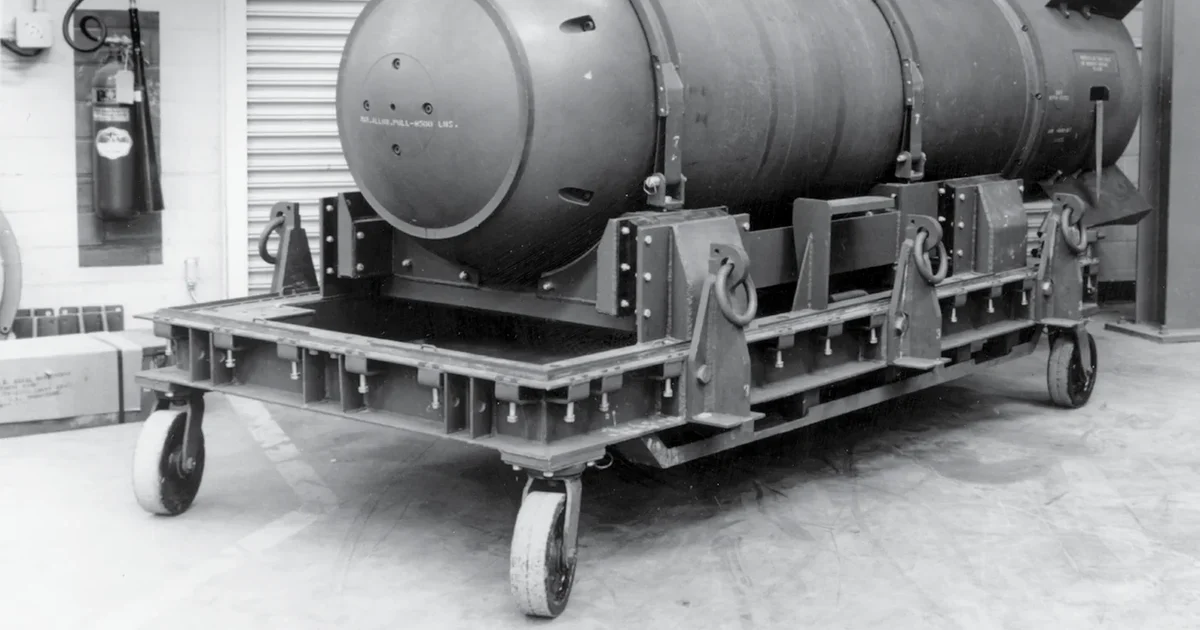
The word 'nuclear' invites one simple question—could it explode? The documented answer requires separating the weapon's nuclear capsule, conventional explosives, impact condition, and later searches.
Archive record
- Date: February 5, 1958
- Aircraft: U.S. Air Force B-47
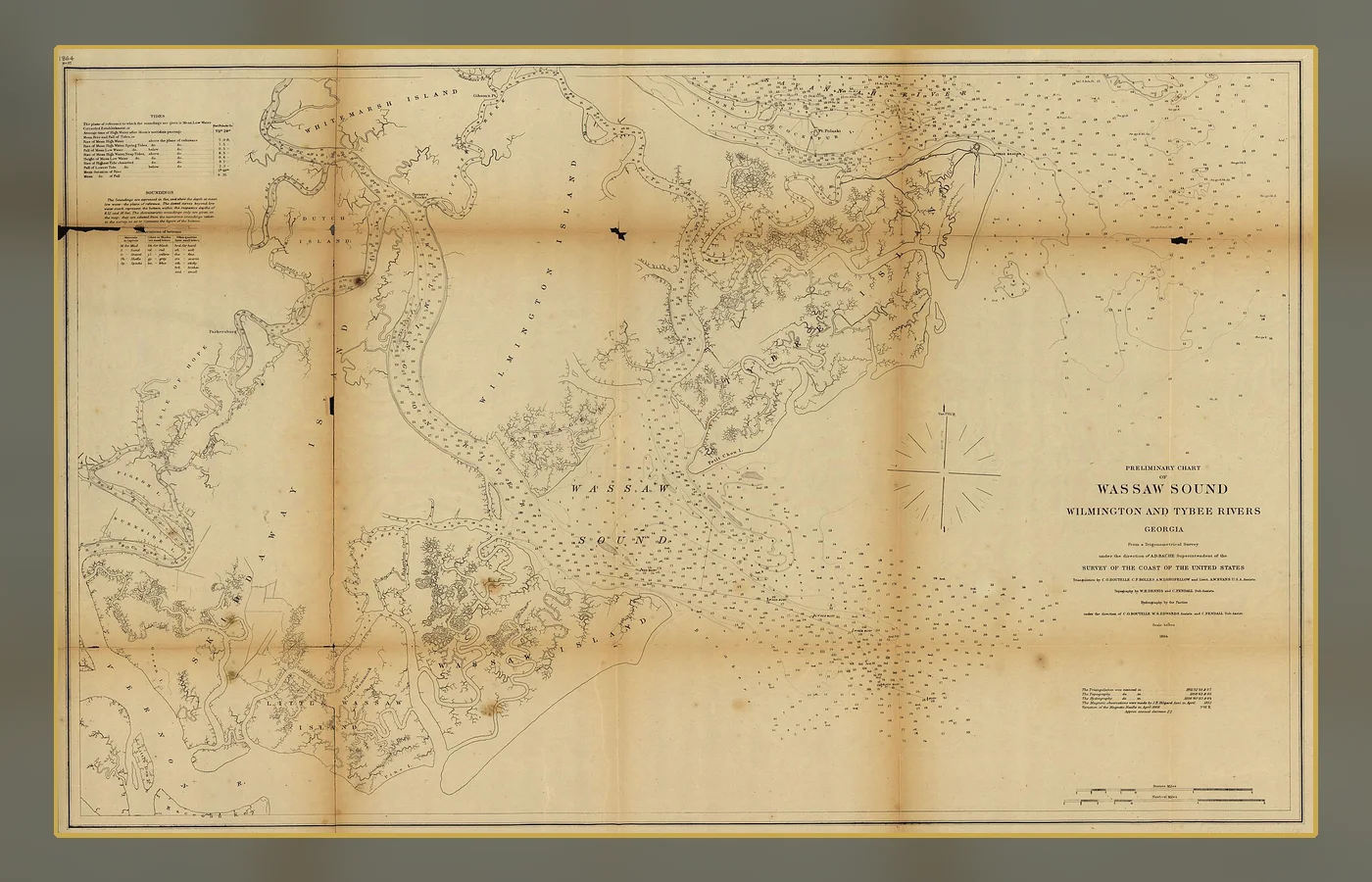
- Location: Wassaw Sound near Tybee Island, Georgia
- Weapon: Mark 15 thermonuclear bomb
A collision during a training mission
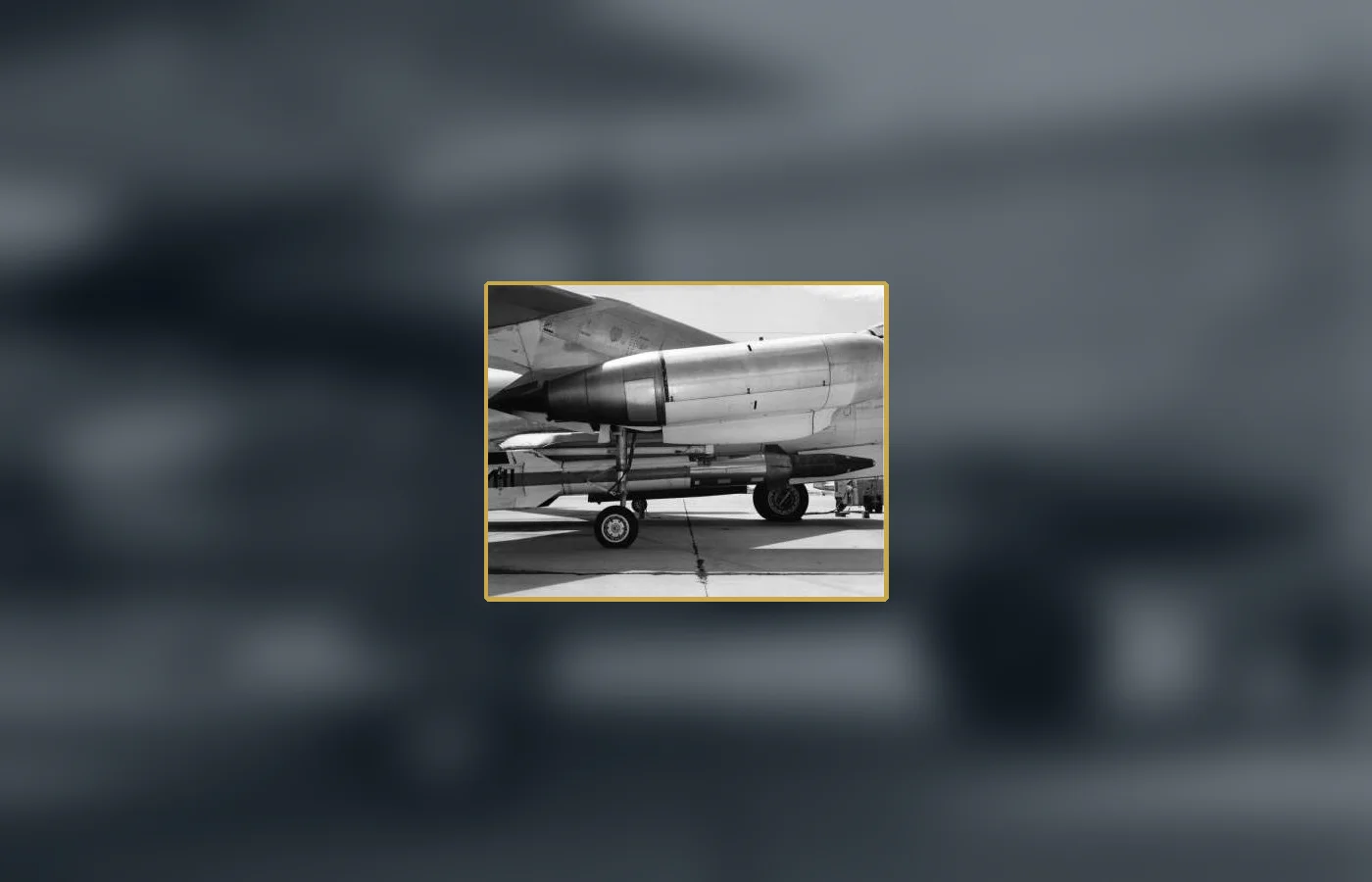
A B-47 bomber carrying a Mark 15 weapon collided at night with an F-86 fighter during a simulated combat mission. The fighter pilot ejected. The damaged bomber remained airborne, but repeated landing attempts with the heavy bomb aboard were considered unsafe.
The crew received permission to jettison the weapon over the water near the mouth of the Savannah River. They dropped it from several thousand feet, reported no explosion, and landed the bomber successfully. The emergency decision saved the aircrew while creating a recovery problem in mud, tide, and shifting channels.
What was inside the weapon
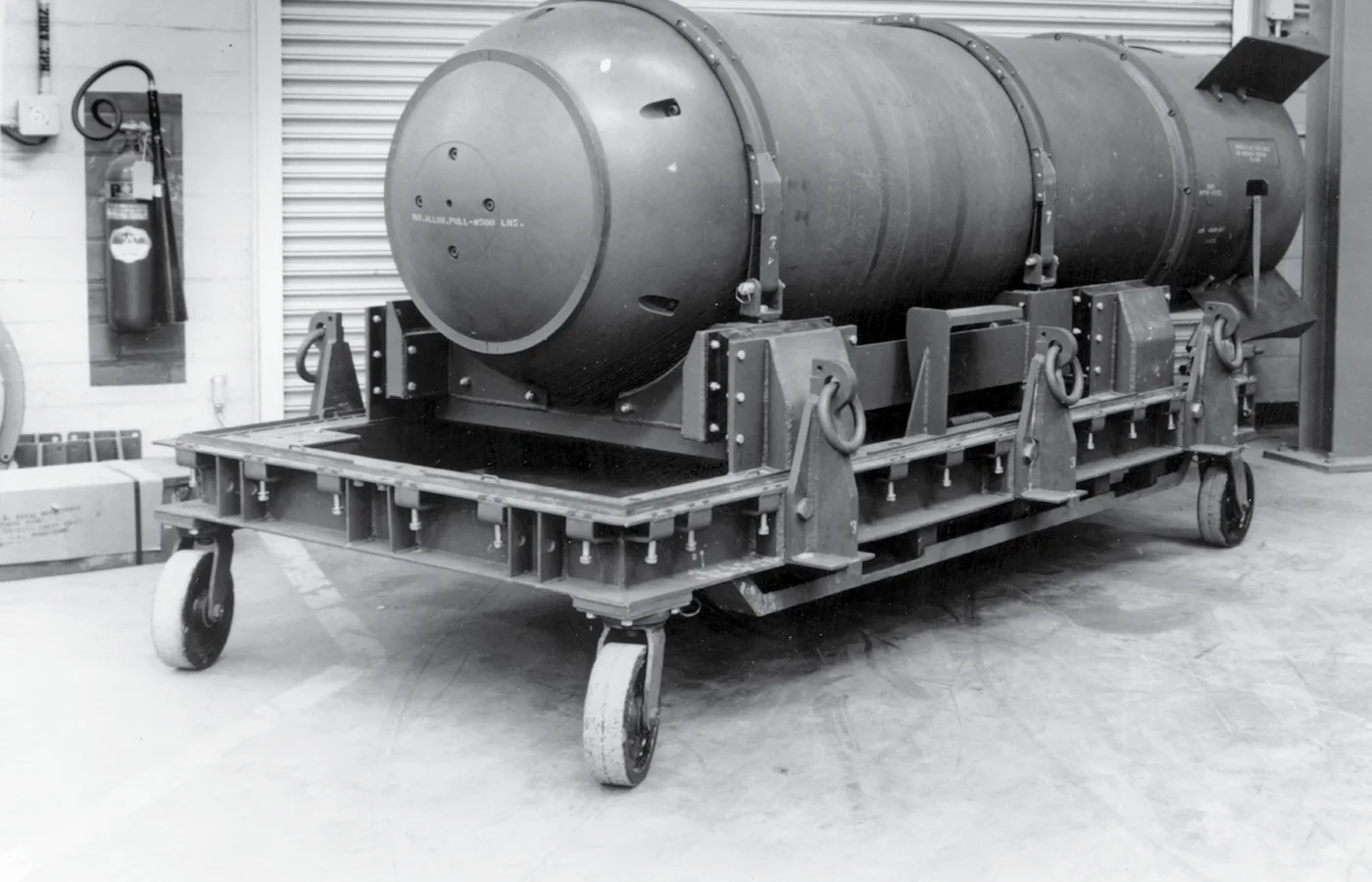
The Mark 15 contained conventional high explosives and nuclear components, but records about whether the Tybee weapon carried its plutonium trigger capsule have produced decades of confusion. Air Force statements have said the capsule required for a nuclear detonation was not installed, while a later congressional document used wording suggesting a complete weapon.
Even without a nuclear capsule, conventional explosives and uranium-bearing material make the object hazardous. A nuclear yield would require a specific arming and implosion sequence, not simply corrosion or accidental contact. The responsible description is neither 'harmless' nor 'a live city-killer waiting to go off.'
Ten weeks of searching the sound
Military teams searched the area with divers, sonar, and other equipment for about ten weeks. Soft sediment could absorb a heavy object, and tides move seabed material. The weapon was not located conclusively, and the search was ended so resources could be used elsewhere.
Later private searches reported elevated radiation and possible objects, prompting government assessment. A 2004 interagency review found the radiation consistent with naturally occurring minerals in the region and did not verify a bomb location. No publicly confirmed recovery has followed.

Why digging can create more risk
A buried weapon in stable sediment may pose less immediate risk than an aggressive recovery attempt that disturbs explosives or spreads material. Officials have therefore weighed the uncertain location, environmental condition, and danger of excavation rather than treating retrieval as automatically safer.
That calculation can sound like indifference, but it is a familiar problem in unexploded-ordnance management. The absence of recovery is not proof that nothing remains; it is an acknowledgement that intervention has hazards too. Continued monitoring and documented reassessment matter more than theatrical certainty.
The mystery is location, not magic
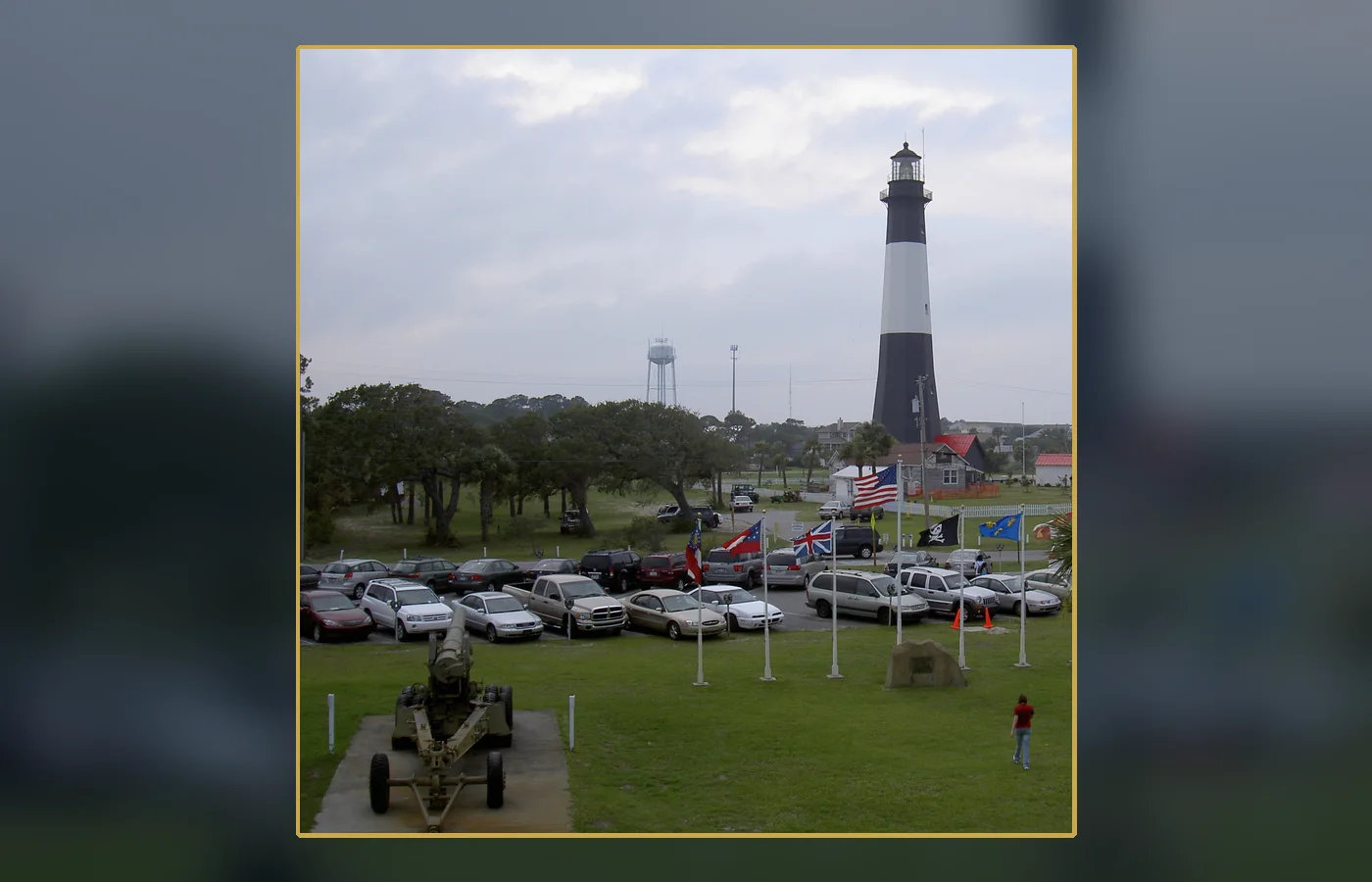
The Tybee weapon is one of the best-known 'Broken Arrow' incidents involving nuclear weapons. Its story is often stretched into claims of an imminent atomic blast under a beach. The record supports a lost military object whose exact configuration and burial site are publicly disputed—not a device that can detonate like a mine when touched.
The unresolved part is tangible: where did the bomb settle, how deeply is it buried, and what condition is it in after decades of salt water? Those questions are serious precisely because they can be framed without sensational nuclear mythology.
What the record supports—and what it does not
The Tybee bomb is missing, but it is not known to be capable of an accidental full nuclear detonation. Official accounts say the nuclear capsule was not installed; other historical wording has fueled disagreement. Conventional explosives and material hazards remain the more credible concerns.
Evidence ledger
- COLLISION — B-47 and F-86: The damaged bomber could not safely land with its payload.
- DROP — Wassaw Sound: The crew jettisoned the weapon and reported no explosion.
- SEARCH — About ten weeks: Military teams did not locate the bomb.
- CONFIGURATION — Nuclear capsule disputed in public accounts: Official Air Force statements say it was not installed.
- HAZARD — Conventional explosives still matter: No nuclear yield is needed for the object to warrant caution.
- STATUS — No confirmed public recovery: Its exact location and condition remain unknown.
How this reconstruction was checked
This reconstruction begins with U.S. Air Force — Interagency team checking for H-bomb lost in 1958, National Archives — Nuclear weapons accidents records. Those records establish the dates, people, objects, and institutional findings used above. Later retellings are useful only when they can be traced back to that record. A repeated anecdote is not treated as independent confirmation simply because it appears on several websites.
The unresolved question is kept separate from the documented mechanism. In this case, the evidence supports the following boundary: The Tybee bomb is missing, but it is not known to be capable of an accidental full nuclear detonation. Official accounts say the nuclear capsule was not installed; other historical wording has fueled disagreement. Conventional explosives and material hazards remain the more credible concerns. The purpose of that boundary is not to flatten the mystery. It prevents a vivid but unsupported detail from displacing the evidence that makes the story worth reading.
Every visual is either a historical photograph, document, map, object, site image, or an explicitly labeled contextual comparison. Captions identify the source and license. No AI reconstruction and no text-poster image is presented as historical evidence; the featured image is derived directly from the first archival visual without a headline overlay.
Why this story matters
The incident teaches readers to separate three things often collapsed into one: a nuclear weapon's label, its actual configuration, and the physical conditions required for nuclear yield.
Continue in the archive
- The Goldsboro Nuclear Near-Miss
- The Demon Core Accidents
- The Day Lake Peigneur Drained Into a Salt Mine
Sources and further reading
- U.S. Air Force — Interagency team checking for H-bomb lost in 1958
- National Archives — Nuclear weapons accidents records
Editorial note: Lore & Archive separates contemporary records, later institutional synthesis, and unresolved inference. When sources disagree or the archive is incomplete, the uncertainty is stated rather than converted into a dramatic fact.