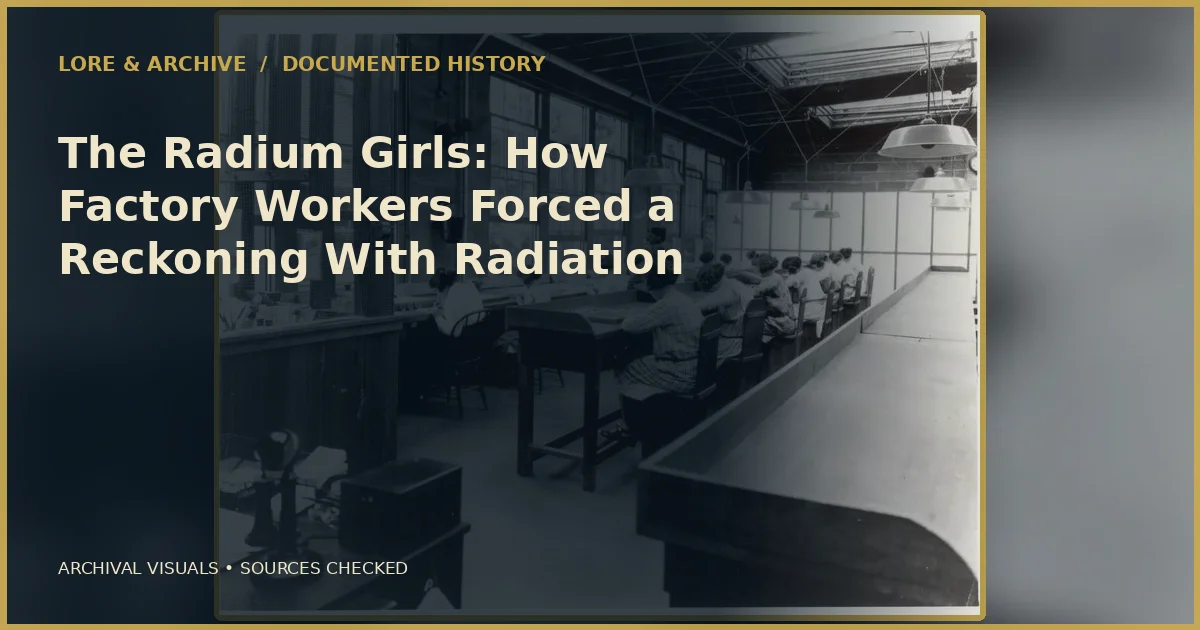
The horror was not simply that workers handled a dangerous material. It was that warning signs accumulated while companies resisted responsibility—and sick women had to turn their bodies into evidence.
Archive record
- Industry: luminous watch and instrument dials
- Core practice: workers shaped paintbrushes with their lips
- Legal milestones: major cases in New Jersey and Illinois during the 1920s and 1930s
- Legacy: stronger occupational-disease rules and radiation protection
A miracle material enters the factory
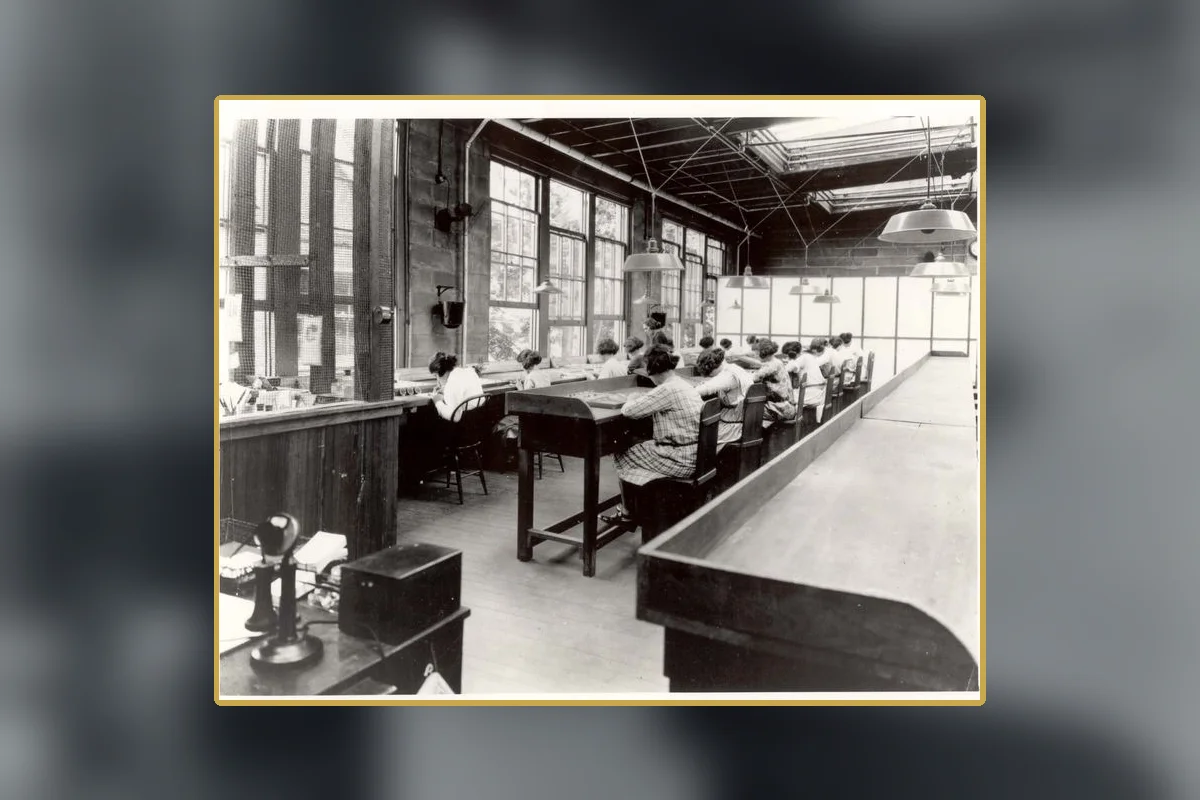
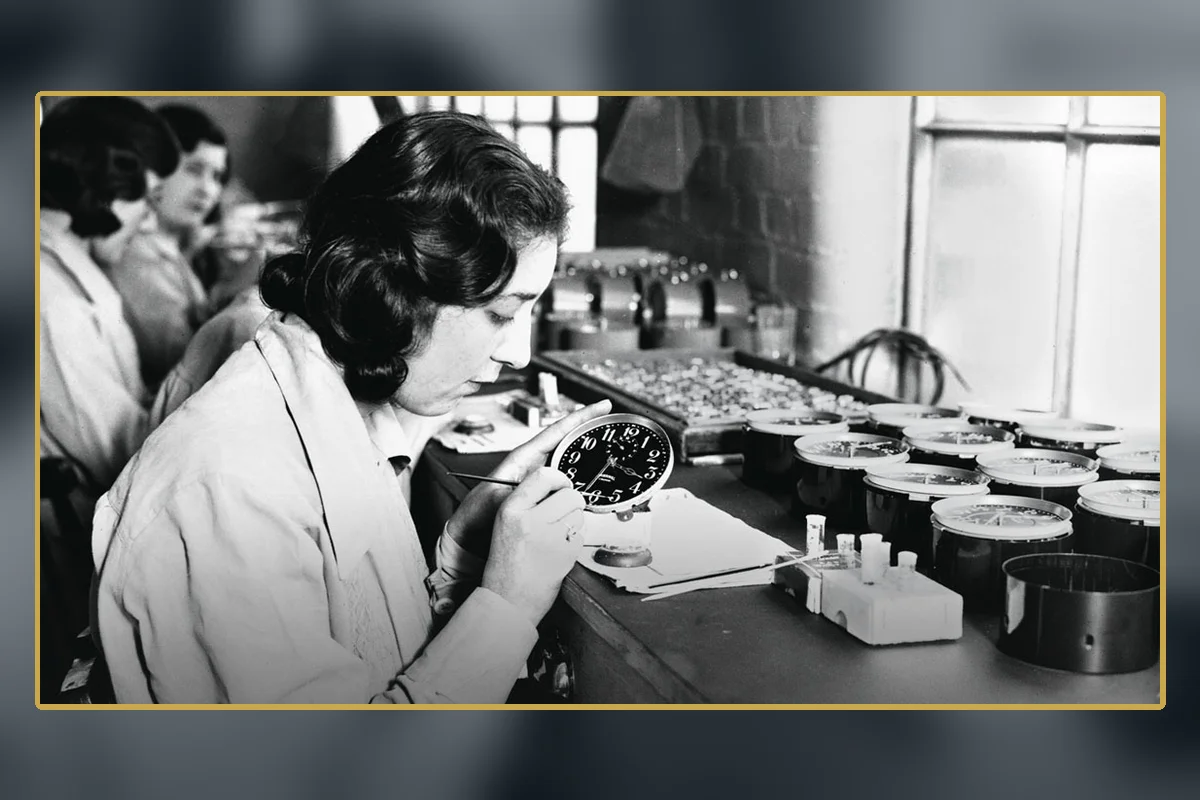
Radium's glow carried the prestige of modern science. Mixed with phosphorescent material, it produced paint that made military instruments and watch faces readable in darkness. During and after the First World War, companies hired young women for the precise work of painting tiny numerals. The jobs could pay well compared with other factory labor available to women.
To make a fine point, painters were taught a technique often called lip-pointing: roll the brush between the lips, dip it into paint, then touch the dial. Each repetition transferred a minute amount of radium into the mouth. Workers also carried dust on clothing and skin. Because the glow was treated as glamorous and safe, some playfully painted nails or teeth—behavior later used to trivialize a hazard employers had normalized.
When the body stored the evidence
Radium behaves chemically like calcium, so the body can deposit it in bone. There it continues emitting radiation. Workers developed jaw necrosis, anemia, fractures, tumors, and pain that physicians initially struggled to connect. The long delay between exposure and illness made causation harder to prove, while the rarity and complexity of symptoms gave companies room to dispute diagnoses.
The damage was not visible as a single factory accident. It unfolded inside bone and blood over years. That made the women's cases a test of whether workplace law could recognize chronic occupational disease, not only an injury tied to one machine or one moment. Medical measurements and autopsy evidence gradually made denial harder to sustain.
Science was not distributed equally
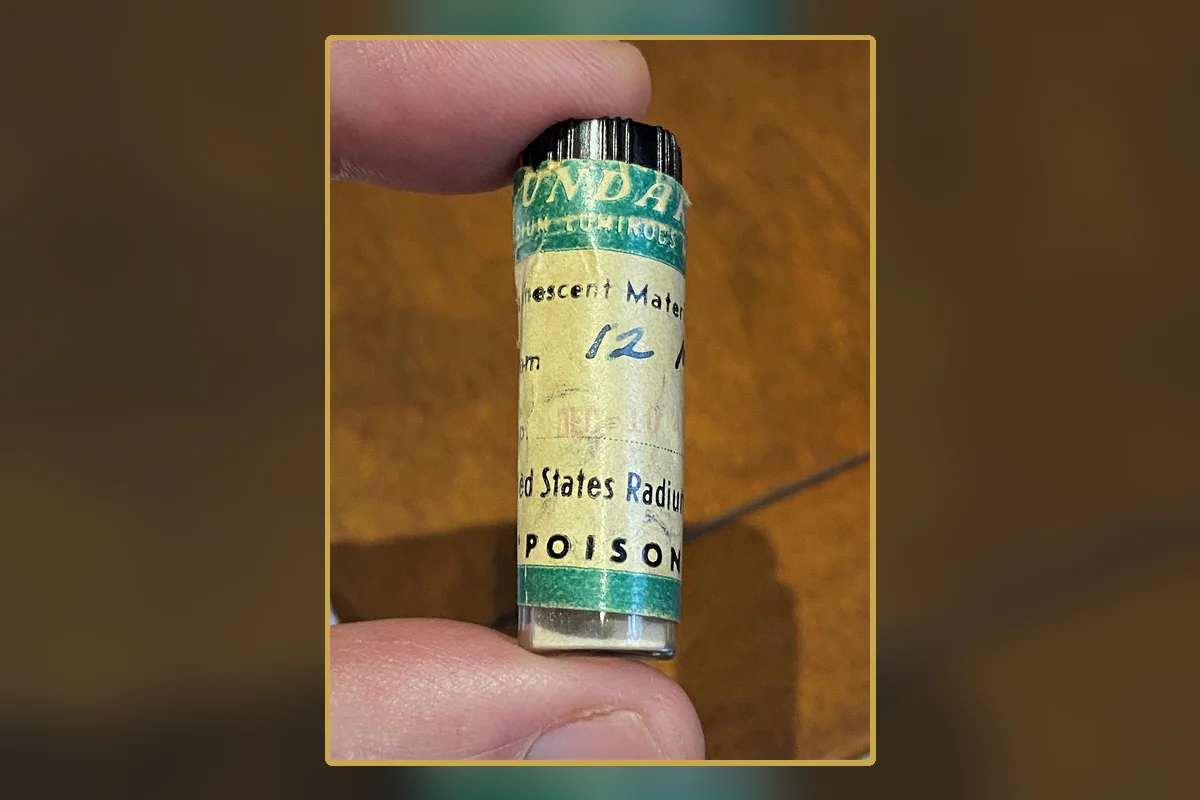
The story is sometimes framed as an innocent era when nobody understood radiation. That is too simple. Knowledge was incomplete, but specialists already used precautions in laboratories and medical settings. Industrial workers did not receive equivalent protection. Some company scientists handled radium with tools and shields while dial painters were encouraged to put contaminated brushes in their mouths.
The unequal flow of risk information is central. A worker cannot meaningfully consent to danger when the employer controls the measurements, medical experts, and workplace instructions. The women's later insistence that they had followed approved methods turned a personal-tragedy narrative into a case about systems and accountability.
Five women take a narrowing window to court
In New Jersey, Grace Fryer and four other former dial painters filed suit against United States Radium Corporation. Their illnesses were advanced, statutes of limitation threatened the claims, and public proceedings moved against the timeline of their bodies. Press attention made the contrast stark: visibly sick women were being asked to wait while lawyers argued procedure and causation.
The 1928 settlement did not settle every scientific or moral question, but it validated the workers' claims and brought national attention. A later Illinois case involving workers at the Radium Dial Company, including Catherine Donohue, further established that occupational disease could be compensable. Persistence across both cases mattered more than a single courtroom moment.
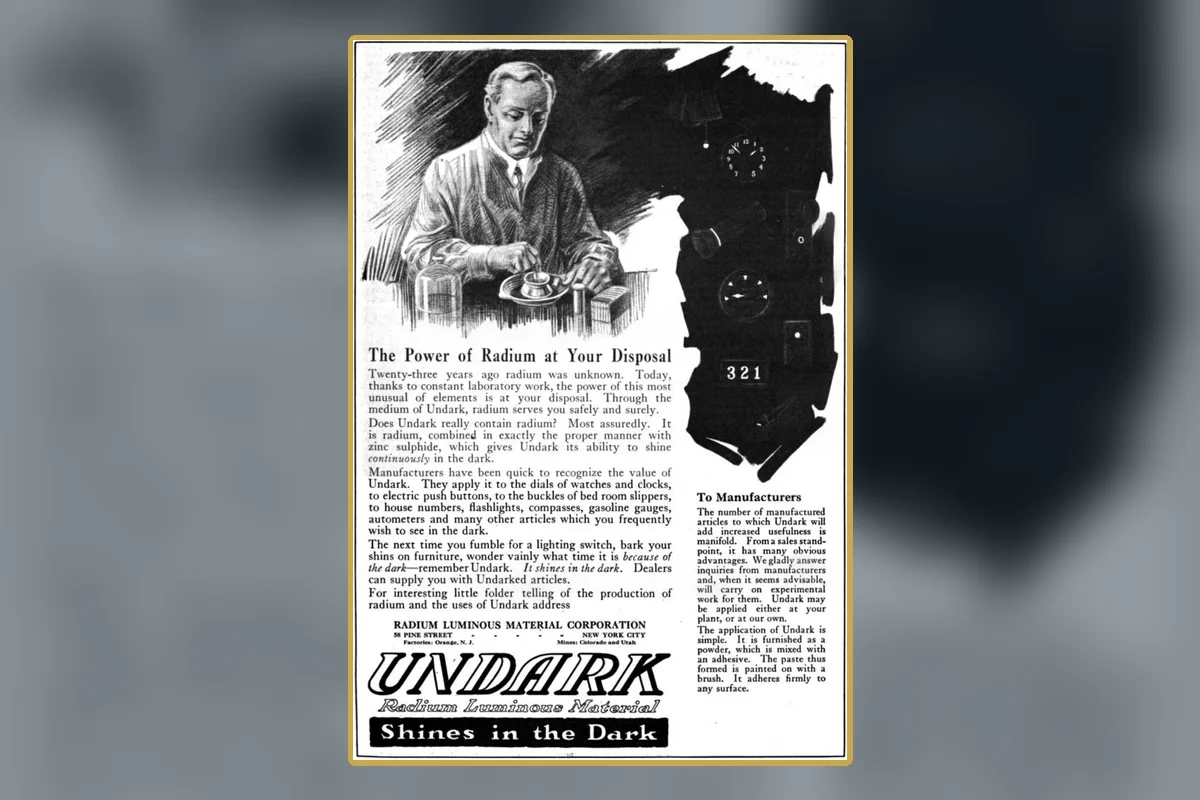
What changed after the lawsuits
Companies reduced lip-pointing, introduced safer methods, ventilation, monitoring, protective equipment, and stricter handling rules. The cases influenced standards for industrial hygiene and the legal treatment of illnesses that develop slowly. During the Manhattan Project, health physicists studied earlier dial-painting tragedies while building programs to monitor radioactive exposure.
No reform can reverse the injuries already sustained. The legacy is therefore double-edged: the women helped create protections that later workers benefited from, but those protections were purchased through preventable suffering. Calling them heroic should never turn the companies' choices into an unavoidable sacrifice.
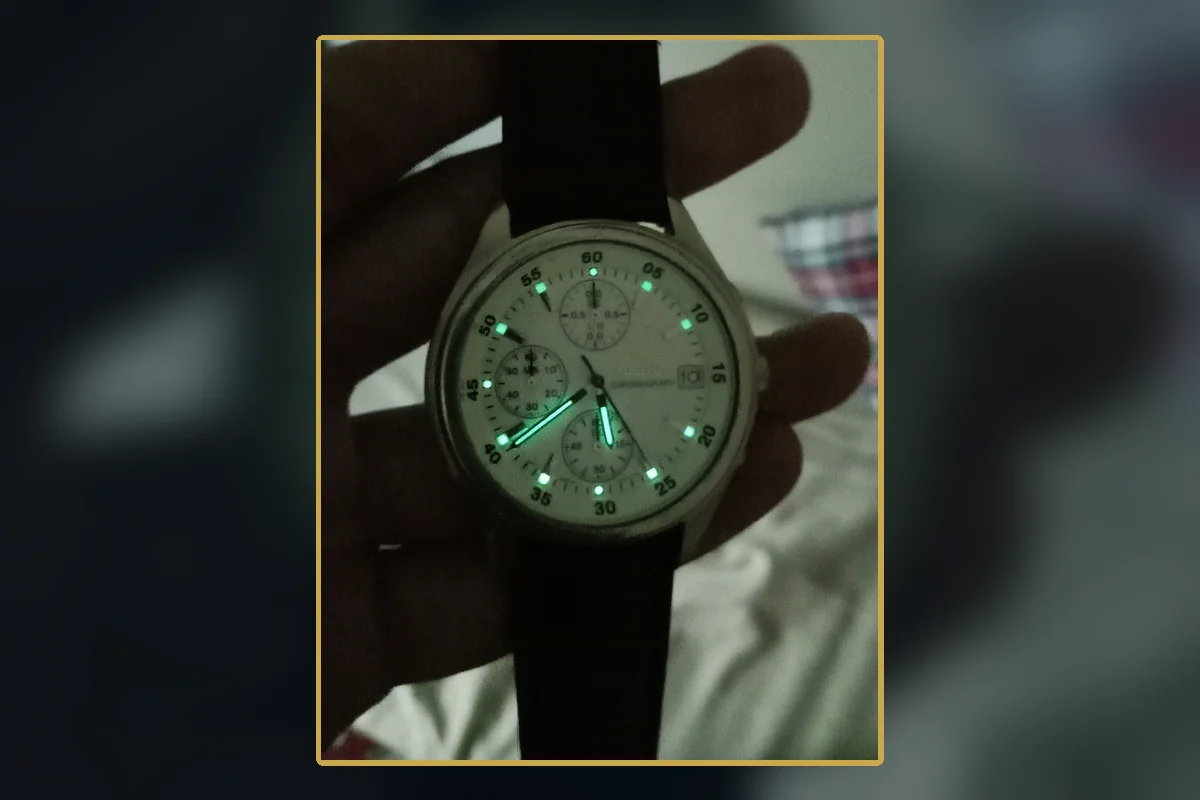
Why the simplified version misses the point
Popular summaries sometimes say the women licked radium because they wanted to glow. The documented workplace practice was repeated lip-pointing taught for production speed and accuracy. Novelty behavior existed, but it was enabled by assurances of safety. Focusing on it shifts responsibility away from those who set the process and possessed superior knowledge.
The deeper story is about evidence under unequal power. The workers had to overcome latency, corporate denial, limited legal deadlines, and public misunderstanding. Their achievement was not discovering that radium could be dangerous; it was making institutions recognize whose knowledge and whose damaged bodies counted.
What the record supports—and what it does not
The Radium Girls were not reckless employees surprised by a universally unknown hazard. They used a company-taught method in a workplace where access to risk knowledge was unequal. Their cases did not instantly create every modern safety rule, but they became important milestones in occupational medicine, compensation law, and radiation protection.
Evidence ledger
- WORK — Tiny luminous numerals: Dial painters applied radium paint to watches and instruments using extremely fine brushes.
- METHOD — Lip-point, dip, paint: Workers were instructed to shape brush tips with their lips, repeatedly ingesting tiny amounts of paint.
- BIOLOGY — Radium follows calcium: The body can store radium in bone, where continuing radiation damages nearby tissue.
- LAW — Illness raced the courts: Latency and statutes of limitation made chronic workplace disease difficult to prove in time.
- MYTH CHECK — Not worker carelessness: A company-approved production method—not private thrill-seeking—created the central exposure.
- LEGACY — Evidence became protection: The cases influenced industrial hygiene, compensation law, and later radiation-monitoring programs.
How this reconstruction was built
For the dial painters, evidence accumulated across factory instructions, medical examinations, laboratory measurements, autopsies, testimony, and court records. The latency of radiation injury made early cases look fragmented; the pattern became clearer only as multiple women developed related bone and blood disorders. Employer statements must be read beside the precautions available to technical staff, because the dispute was not only what science knew, but who was allowed to know it.
To audit the account, open the source links below and compare dates, quantities, and the wording used by the institutions themselves. Look for the earliest recoverable record, then distinguish it from later summaries created after the story became famous. The five visuals in this article are archival photographs, maps, documents, objects, or clearly identified editorial diagrams selected to illuminate the surviving record. Each caption identifies its source and rights information; no reconstruction is presented as a historical photograph. That transparency is part of the Lore & Archive method.
Why this story matters
This history remains relevant whenever a harm appears slowly and the organization controlling exposure also controls the data. It asks a durable question: how much proof should sick workers have to produce before the institution that profited from a process must act?
Continue in the archive
- Operation Mincemeat: The Dead Man, the False Papers, and a Wartime Deception
- The 1904 Olympic Marathon: Dust, Poison, and the Strangest Race in Olympic History
- The Voynich Manuscript: What Is Known
Sources and further reading
- National Park Service — B Reactor health physics and the dial painters
- Atomic Heritage Foundation — Radiation accidents and safety lessons
Editorial note: Lore & Archive distinguishes contemporary evidence, later institutional synthesis, and unresolved inference. Where sources disagree or the record is incomplete, the uncertainty is stated rather than converted into a dramatic fact.