The shower was not a modern internet invention: witnesses, newspapers, and preserved samples place it firmly in the record. The question is what biological process put tissue in the air.
Archive record
- Date: March 3, 1876
- Place: near Olympia Springs, Bath County, Kentucky
- Witness: Mrs. Allen Crouch and others
- Leading explanation: mass regurgitation by vultures overhead
A clear morning and an impossible fall
Mrs. Allen Crouch was outside making soap when pieces of red material began falling around the farm. The shower lasted only minutes and covered a patch of ground and fencing. Reports varied on the size of the pieces, from small flakes to larger strips. The sky was described as clear, a detail that made ordinary windblown debris or a waterspout seem less convincing.
Neighbors visited, newspapers repeated the story, and samples entered the hands of physicians and scientific institutions. That chain is why the event cannot be dismissed as folklore invented generations later. The terminology—'meat shower'—was sensational, but tissue-like material genuinely appeared and was collected.
What the first investigators thought they saw
Early observers made identifications by appearance, texture, taste, and microscopy. Some declared the material beef, mutton, venison, bear, or even lung tissue. Others proposed a gelatinous organism called nostoc, which swells after rain and was historically blamed for mysterious substances found on the ground.
The disagreement is not evidence that every answer was equally good. Nineteenth-century laboratory methods, sample contamination, and the mixture of different tissue types complicated interpretation. At least one microscopic examination identified combinations consistent with muscle, cartilage, and lung. Those findings favored animal tissue over a plant-like jelly.
The vulture hypothesis
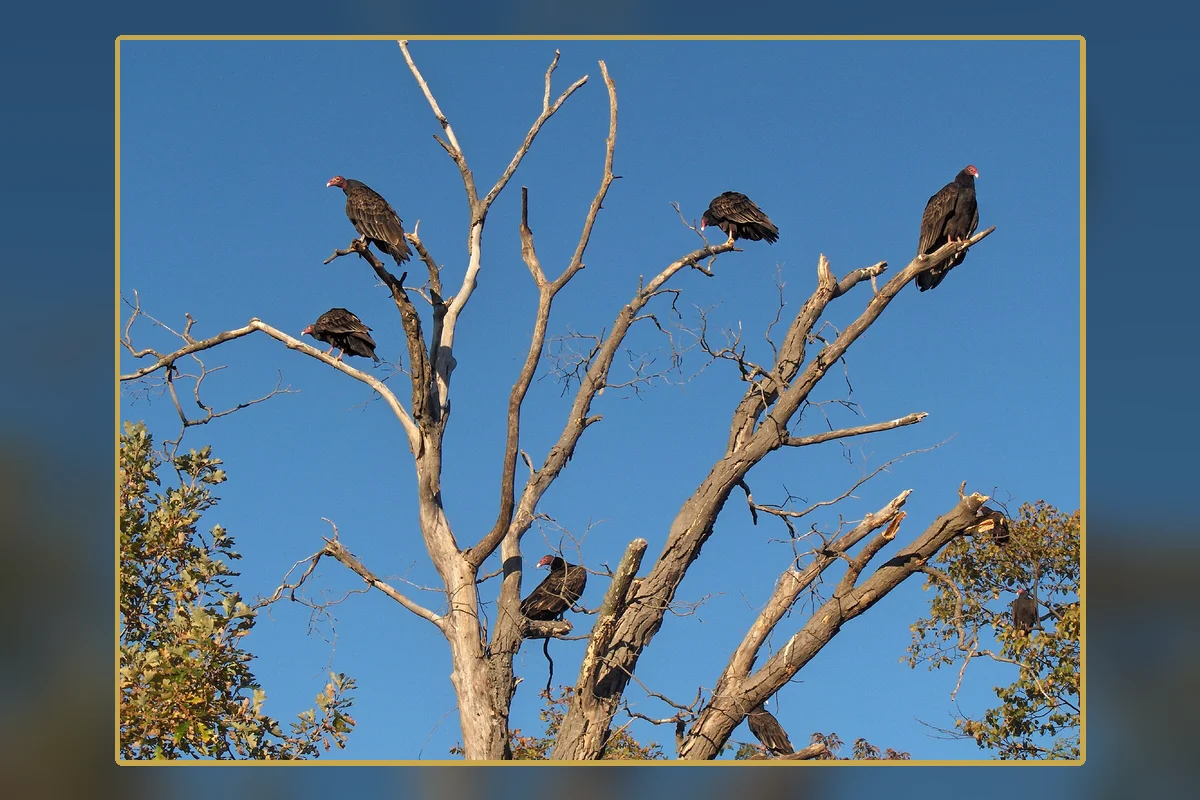
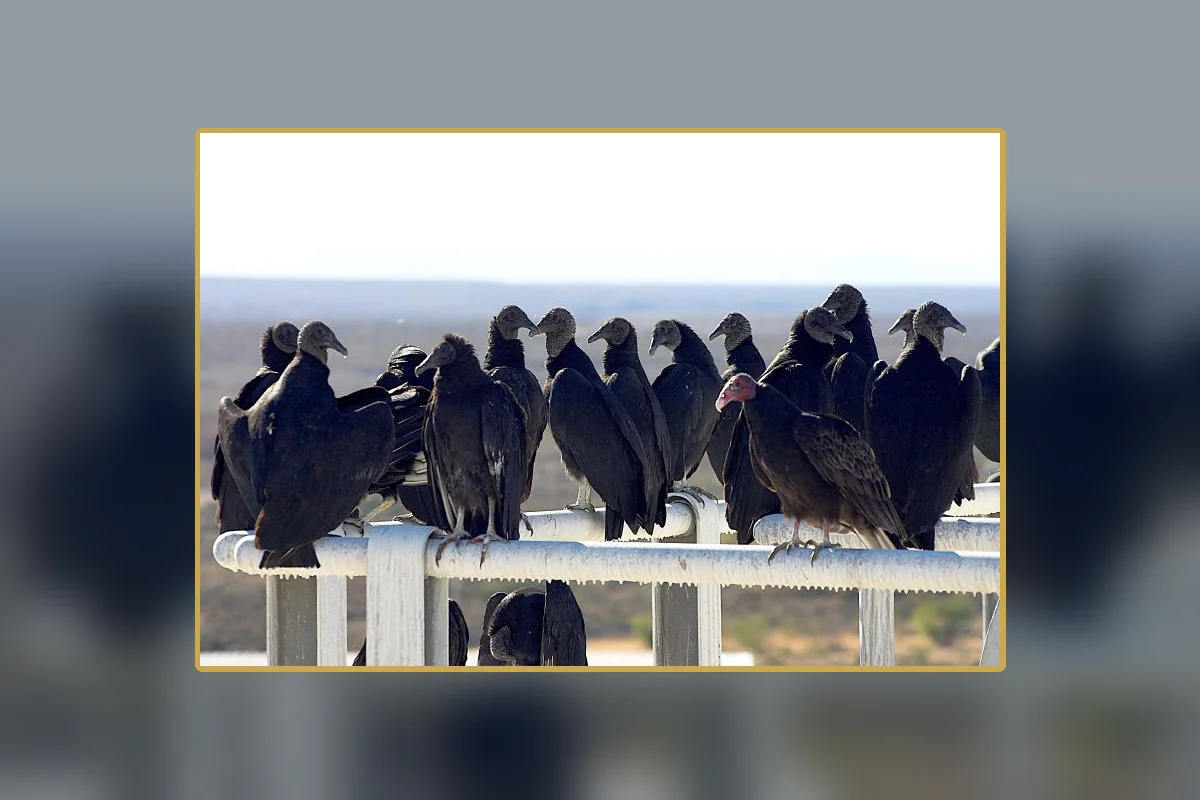
Vultures can gorge on carrion and then regurgitate to lighten their bodies when startled or threatened. If several birds were flying together, a coordinated release could scatter partially digested tissue over a limited area. The behavior supplies a mechanism for flesh falling from a clear sky without a storm, explosion, or animal being torn apart overhead.
The explanation also accounts for mixed tissues and pieces of uneven size. It is widely regarded as the most practical solution, but no witness reported seeing the birds at the decisive moment. A plausible behavior matched to the scene is not the same as direct observation. The event remains partly unresolved because its cause was reconstructed after the material landed.

Why 'horse meat' did not settle the case
Some newspaper accounts described men tasting the material and judging it to be mutton or venison. Such reports are memorable but scientifically weak. Cooked flavor, appearance, and confidence cannot identify species, especially after tissue has been exposed to digestion and the environment. Later summaries sometimes combine separate tests as though they produced a single verdict.
Preserved samples survive in museum collections, but provenance and degradation limit what modern analysis can promise. A sample labeled from the event is valuable only if its chain of custody is understood. Even a species identification would reveal what was eaten, not necessarily which bird or event placed it in the sky.
How newspapers made the shower larger than life
The story traveled because it condensed perfectly into a headline. Reports accumulated measurements, jokes, culinary opinions, and proposed causes. Each repetition increased the chance that an estimate from one account would harden into a fact. Modern retellings often repeat the strangest detail without distinguishing a witness statement from a reporter's flourish.
The best reading keeps levels of evidence separate. The fall and collection of tissue are well documented. Microscopy supports animal origin. Vulture behavior offers a coherent cause. Exact species, number of birds, height, and trigger are uncertain. That layered conclusion is stronger than either total skepticism or absolute confidence.
A small mystery with a useful method
No cosmic anomaly is needed, and there is no evidence of a mutilated animal materializing in midair. The event probably began with ordinary scavengers behaving in an unusual place. Its survival as a mystery depends on the absence of an observer who looked up at the right second.
The Kentucky Meat Shower endures because the claim is bizarre while the archive is tangible. It invites a disciplined sequence: establish that something happened, identify the material as far as tests allow, then compare mechanisms. Mystery is not a license to skip those stages.
What the record supports—and what it does not
The shower is neither a proven hoax nor a fully solved meteorological event. Animal tissue was reported and sampled; contemporary microscopy supported that identification. Vulture regurgitation is the leading behavioral explanation, but it remains an inference because nobody documented the birds during the fall.
Evidence ledger
- EVENT — March 3, 1876: Pieces of red tissue fell for several minutes on a Bath County farm under a reportedly clear sky.
- MATERIAL — Samples were preserved: The episode entered newspapers and collections instead of surviving only as oral folklore.
- MICROSCOPY — Animal tissue, mixed types: Period examinations described muscle, cartilage, and lung-like material.
- MECHANISM — Vultures can jettison food: Regurgitation lightens an overloaded bird and could scatter tissue from a flock.
- MYTH CHECK — Taste tests prove little: Claims of mutton, venison, or bear exceeded what appearance and flavor could establish.
- VERDICT — Best explanation, not direct proof: The vulture scenario fits the evidence but no eyewitness recorded birds overhead.
How this reconstruction was built
This case begins with contemporary witness and newspaper accounts, then moves to samples and microscopy. Those layers establish a real fall of tissue-like material more securely than they identify species or cause. Period taste tests are anecdotal; microscopic descriptions are stronger but limited by nineteenth-century methods and sample history. Vulture behavior supplies a coherent mechanism, yet it remains inferential because no observer documented the flock during the fall.
To audit the account, open the source links below and compare dates, quantities, and the wording used by the institutions themselves. Look for the earliest recoverable record, then distinguish it from later summaries created after the story became famous. The five visuals in this article are archival photographs, maps, documents, objects, or clearly identified editorial diagrams selected to illuminate the surviving record. Each caption identifies its source and rights information; no reconstruction is presented as a historical photograph. That transparency is part of the Lore & Archive method.
Why this story matters
This odd episode is a compact lesson in source criticism. A headline can be true at its center while estimates, species claims, and explanations remain uneven. Preserving those distinctions makes the story stranger in the best way: real enough to test.
Continue in the archive
- The Great Moon Hoax: How a Newspaper Filled the Moon With Bat-People
- D. B. Cooper: The Hijacking Evidence That Survived the Legend
- The Library of Alexandria Was Not Destroyed in One Night
Sources and further reading
- Scientific American archive — The Kentucky meat shower
- Scientific American archive — The Kentucky shower of flesh
- WEKU — 150th anniversary and surviving history
Editorial note: Lore & Archive distinguishes contemporary evidence, later institutional synthesis, and unresolved inference. Where sources disagree or the record is incomplete, the uncertainty is stated rather than converted into a dramatic fact.