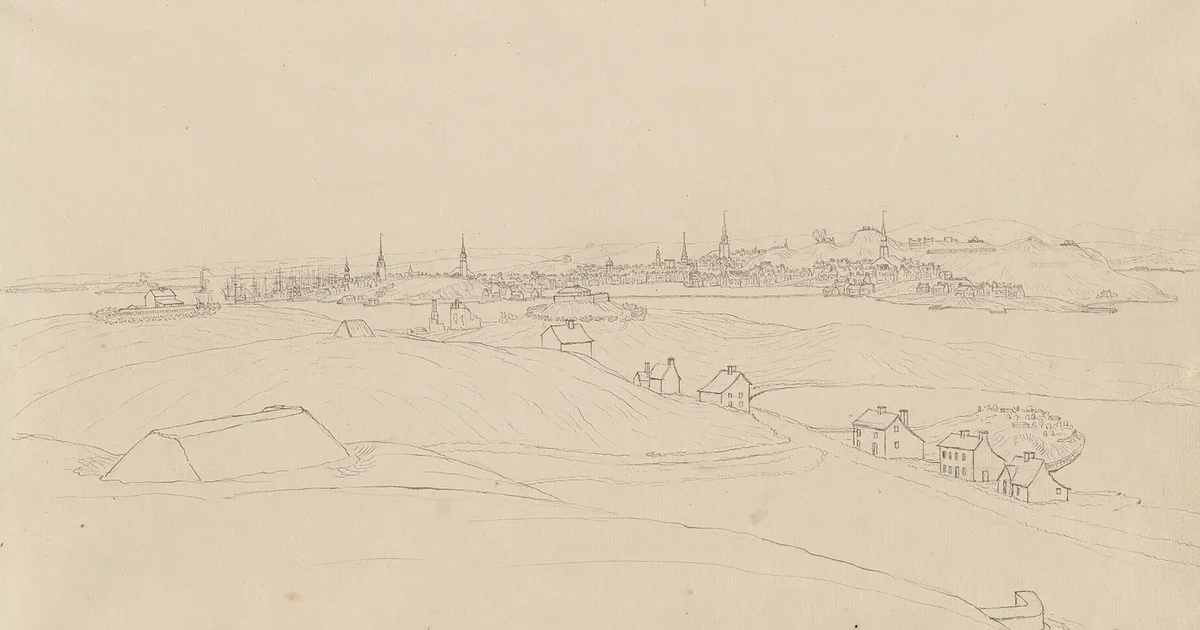
To people living through war without telegraph or weather satellite, the darkness could look like judgment. Diaries recorded enough sensory detail for later researchers to follow the smoke north.
Archive record
- Date: May 19, 1780
- Region: much of New England and parts of eastern Canada
- Effect: daylight dim enough to require candles
- Leading cause: wildfire smoke mixed with fog and cloud
Morning turned backward
On May 19, 1780, the sky over parts of New England darkened through the morning until people struggled to read outdoors. Birds settled as if evening had arrived, domestic animals returned to shelter, and candles were lit for midday work and meals. The darkness continued into a moonless-looking night before clearing.
The American Revolution made the event especially charged. Without rapid communication, residents could not learn whether smoke or weather was approaching from hundreds of miles away. Religious expectation, wartime uncertainty, and immediate sensory evidence competed to explain the same sky.
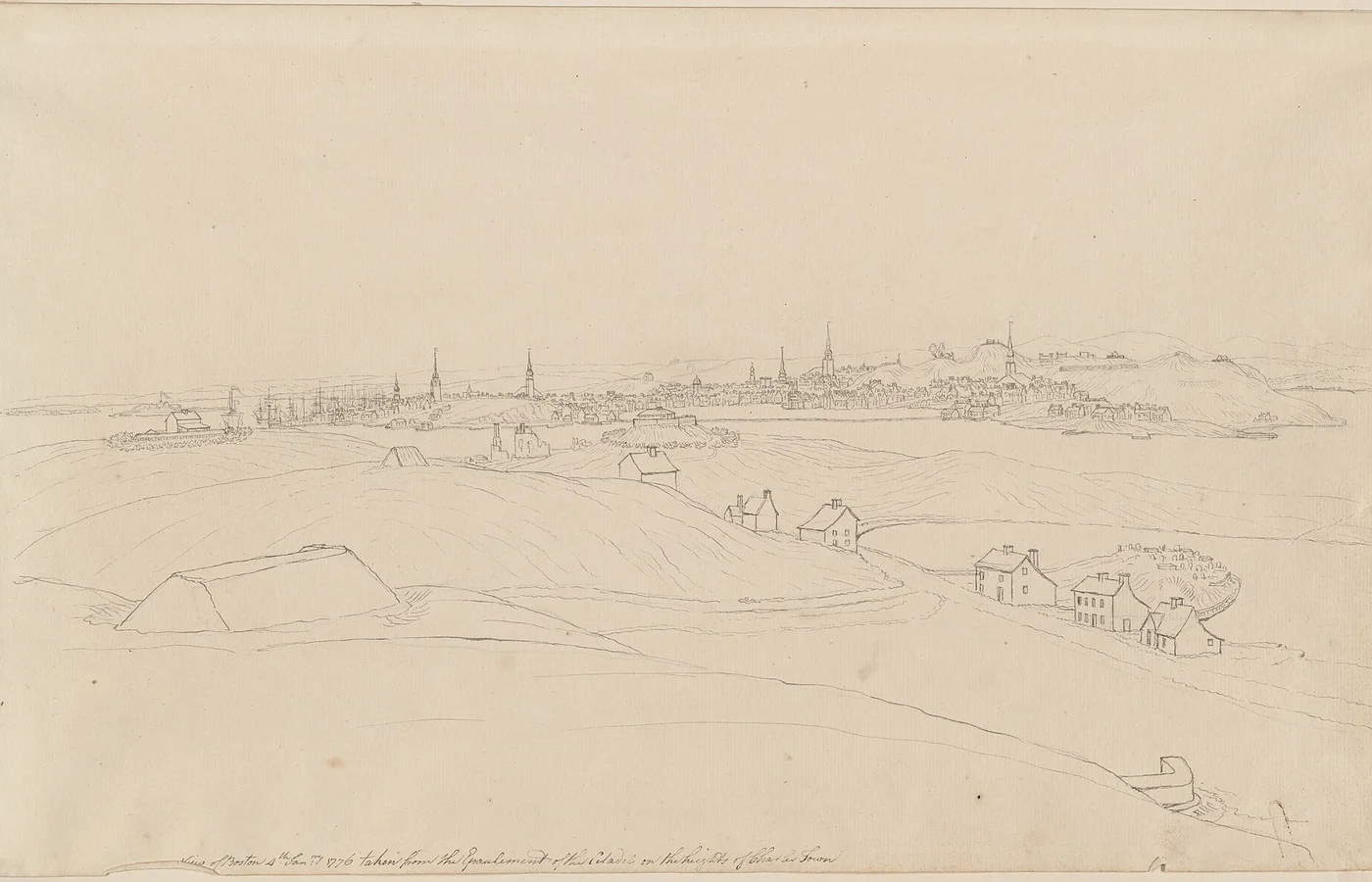
What witnesses smelled and collected
Contemporary observers described a reddish or yellow light at the edges of the gloom, a smoky or sooty smell, and dark material on rainwater. Professor Samuel Williams gathered accounts and considered combinations of cloud, vapor, and smoke rather than treating the event only as a supernatural sign.
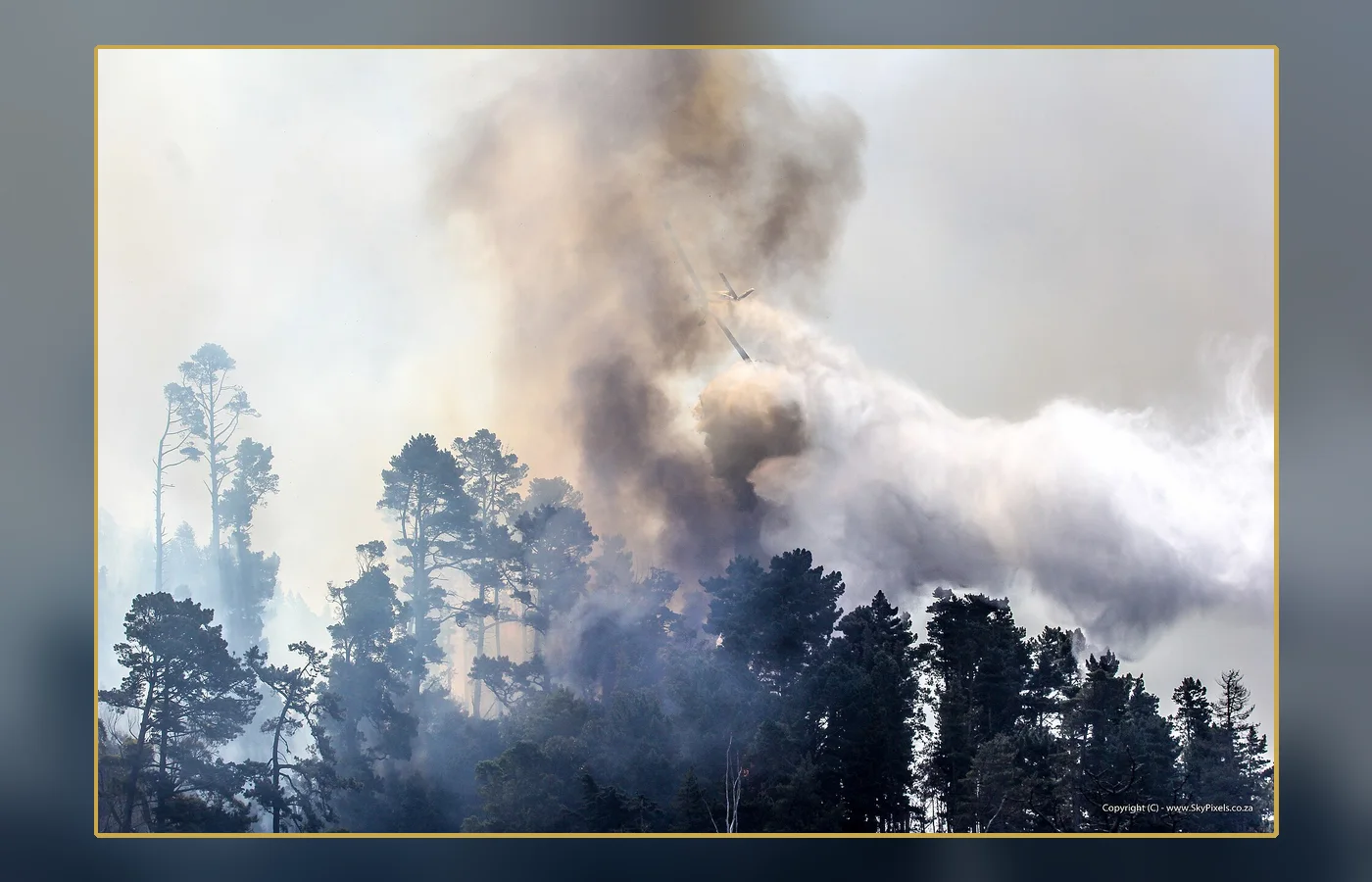
Those details are diagnostic. Thick wildfire smoke can reduce daylight, scatter colors, and deposit particles. Fog and low cloud can make the effect dramatically darker by blocking and diffusing the remaining light. The likely explanation requires several conditions converging, not one magical cloud.
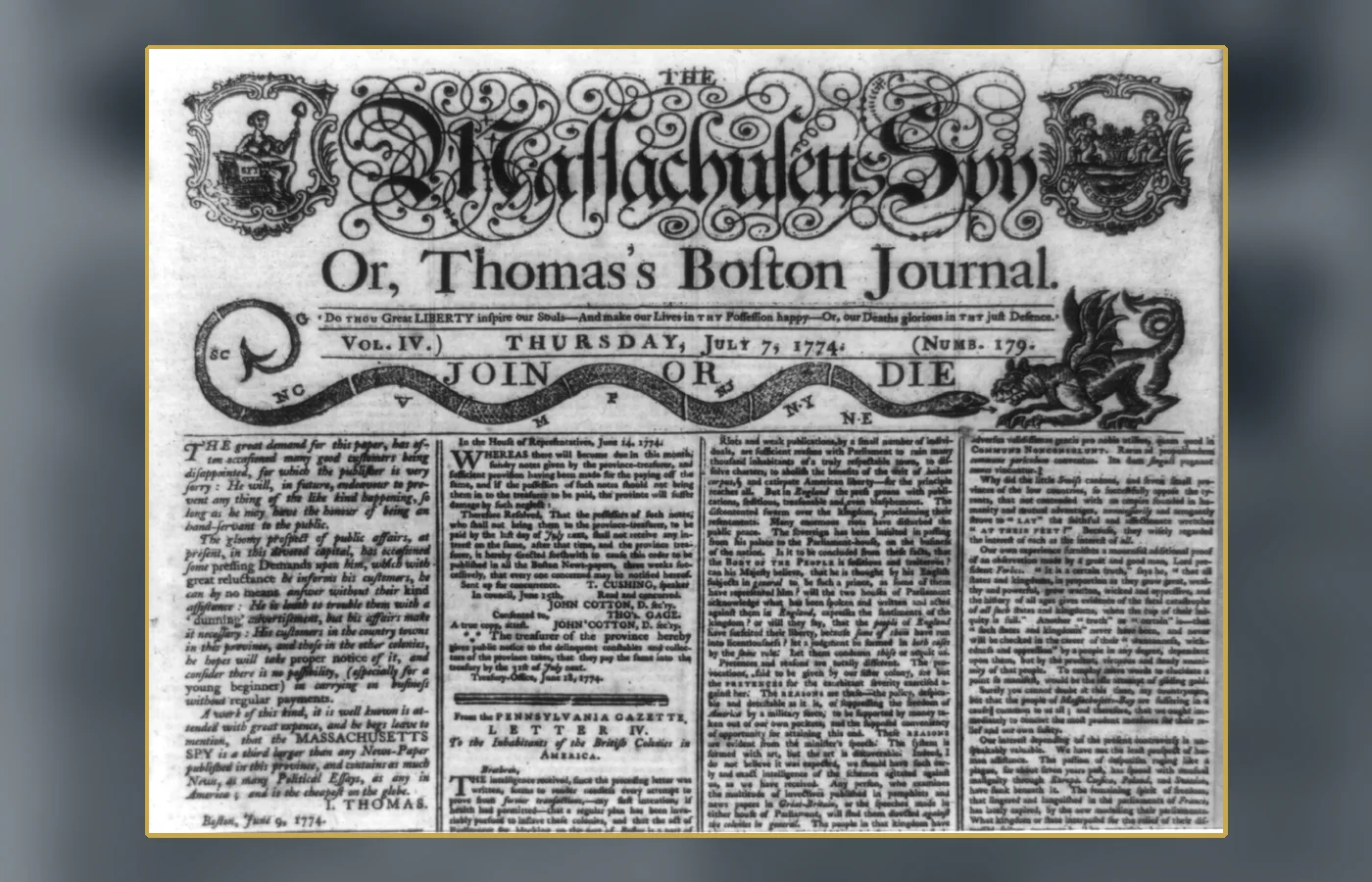
The famous courage line and its problem
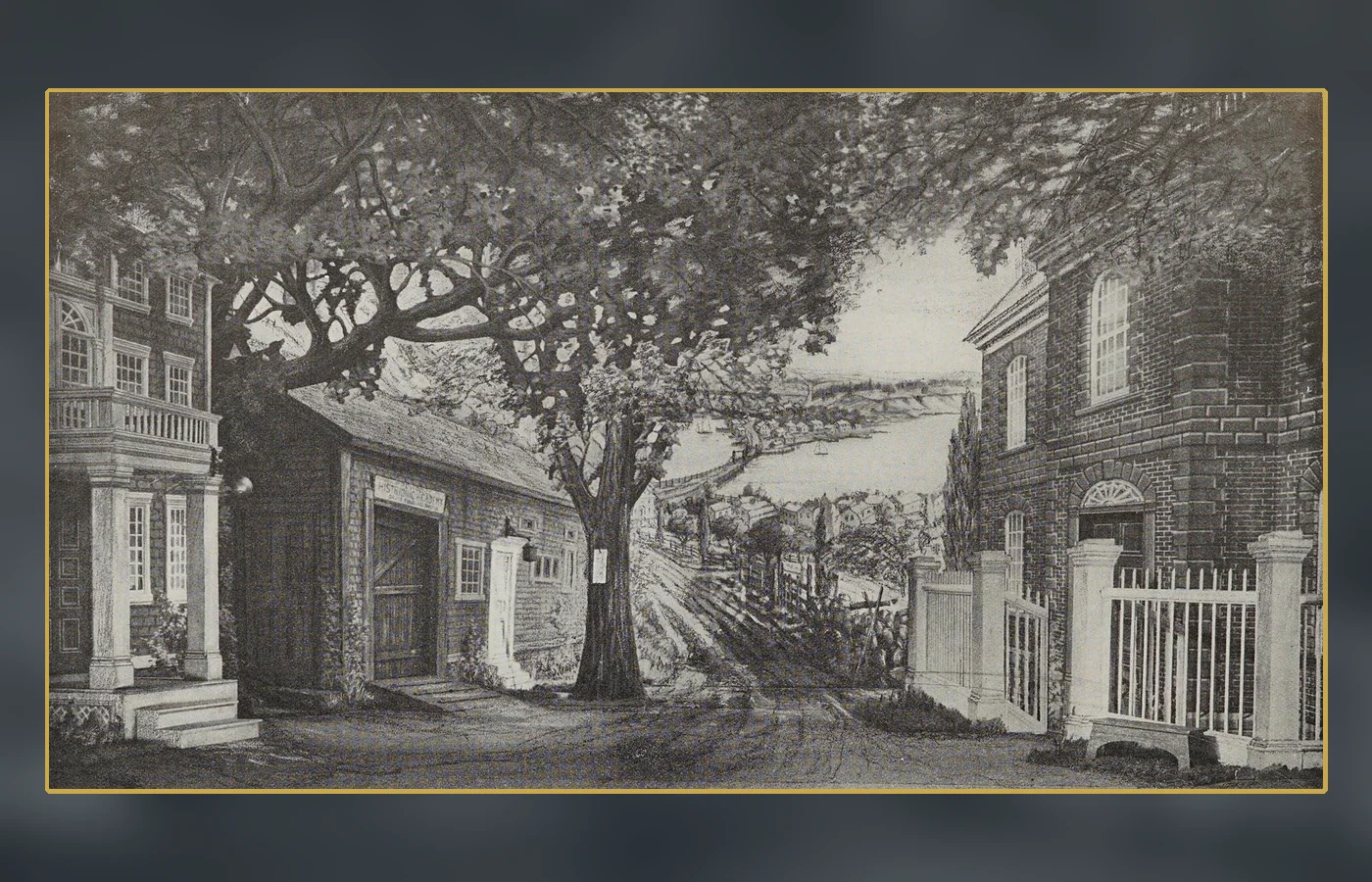
Connecticut legislator Abraham Davenport is remembered for refusing to adjourn, reportedly saying that if judgment was coming he wished to be found doing his duty. The sentiment fits later accounts of the event, but the exact polished quotation was popularized after the fact and should not be treated like a transcript.
The distinction does not erase Davenport. It shows how historical memory compresses a response into a sentence designed for repetition. The documented legislature and later literary quotation belong to different levels of evidence.
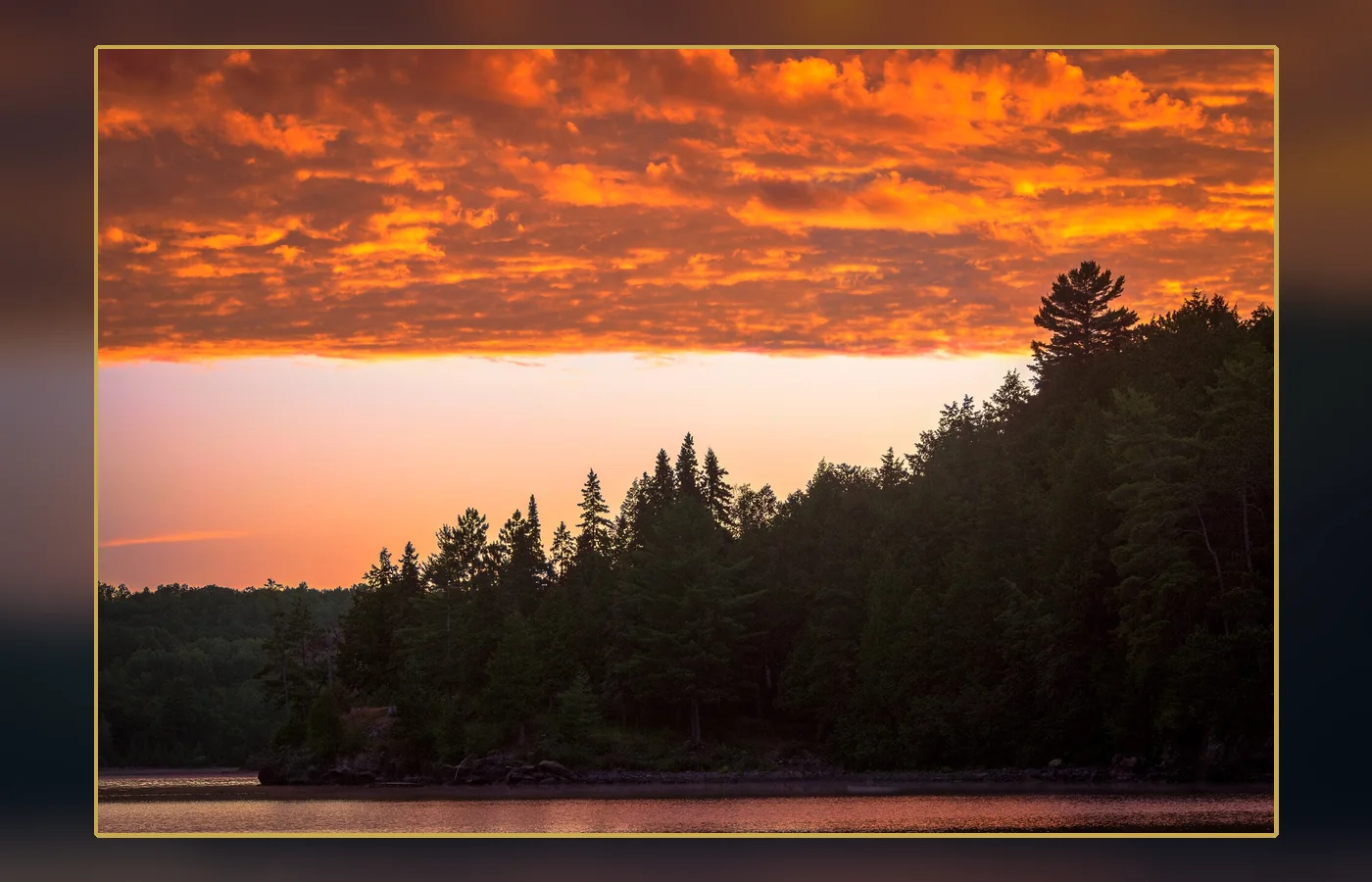
Fire scars in Ontario
Modern researchers examined fire-scar records in trees from the Algonquin Highlands of Ontario. Scars dated to the spring of 1780 supported a major fire upwind of New England. Combined with atmospheric descriptions and the movement of the darkness, the evidence makes distant wildfire smoke the leading source.
Tree rings cannot replay the sky hour by hour. They establish that a large fire occurred in a plausible region and period. Fog, clouds, and winds completed the local conditions. The explanation is strong because independent archives—wood and writing—point in the same direction.
Why a solved cause remains a powerful mystery
Calling the Dark Day 'solved' can flatten the lived event. Nobody at noon in 1780 had satellite imagery, air-quality monitors, or news from the Canadian forest. Their fear was rational under their information conditions even if the cause was natural.
The story survives because it connects environmental history with the history of knowledge. Smoke crossed a border that information could not. The sky changed faster than explanation could travel, leaving people to decide how to behave before certainty arrived.
What the record supports—and what it does not
The Dark Day was not an eclipse, and the evidence does not require a supernatural cause. Wildfire smoke from the north, combined with fog and cloud, best fits the accounts. Famous quotations from the day should be distinguished from later polished retellings.
Evidence ledger
- DATE — May 19, 1780: The darkness intensified before noon.
- BEHAVIOR — Birds and animals treated day as night: Candles were required in the darkest areas.
- CLUES — Smoke smell and sooty rain: Witness reports point toward airborne combustion products.
- ARCHIVE — Samuel Williams collected accounts: Natural explanations were considered soon afterward.
- TREE RINGS — A major 1780 fire: Ontario fire scars support an upwind source.
- CAUSE — Smoke plus weather: Fog and cloud likely intensified the darkness.
How this reconstruction was checked
This reconstruction begins with Environmental History — 'Mark Well the Gloom', JSTOR — Samuel Williams's 1783 account, International Journal of Wildland Fire — Fire scars and the Dark Day. Those records establish the dates, people, objects, and institutional findings used above. Later retellings are useful only when they can be traced back to that record. A repeated anecdote is not treated as independent confirmation simply because it appears on several websites.
The unresolved question is kept separate from the documented mechanism. In this case, the evidence supports the following boundary: The Dark Day was not an eclipse, and the evidence does not require a supernatural cause. Wildfire smoke from the north, combined with fog and cloud, best fits the accounts. Famous quotations from the day should be distinguished from later polished retellings. The purpose of that boundary is not to flatten the mystery. It prevents a vivid but unsupported detail from displacing the evidence that makes the story worth reading.
Every visual is either a historical photograph, document, map, object, site image, or an explicitly labeled contextual comparison. Captions identify the source and license. No AI reconstruction and no text-poster image is presented as historical evidence; the featured image is derived directly from the first archival visual without a headline overlay.
Why this story matters
The event is ideal for Lore & Archive because contemporary diaries, atmospheric clues, and tree scars form a readable evidence chain while preserving the human experience of uncertainty.
Continue in the archive
- 1816, the Year Without a Summer: How Tambora Changed Weather Around the World
- The Peshtigo Fire: America's Deadliest Wildfire Happened the Same Night as Chicago's
- The Carrington Event: The Solar Storm That Made Telegraph Wires Spark
Sources and further reading
- Environmental History — 'Mark Well the Gloom'
- JSTOR — Samuel Williams's 1783 account
- International Journal of Wildland Fire — Fire scars and the Dark Day
Editorial note: Lore & Archive separates contemporary records, later institutional synthesis, and unresolved inference. When sources disagree or the archive is incomplete, the uncertainty is stated rather than converted into a dramatic fact.